

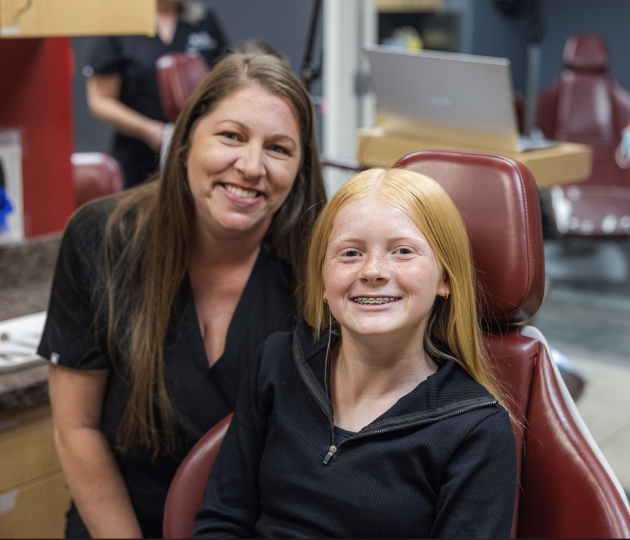
Benefits of Orthodontics in Wilmington, IL
The advantages of orthodontic treatment extend beyond just achieving straighter teeth and an improved bite; they significantly enhance a person's overall self-image. While having a beautiful smile is important, addressing potential health issues related to the teeth or jaw is even more crucial. Crooked teeth or jaw problems can hinder proper oral hygiene, leading to tooth decay, gum disease, or even tooth loss. Untreated orthodontic issues may also result in difficulties with chewing and digestion, speech impairments, and abnormal wear on tooth surfaces. Over time, excessive strain on the gums and the supporting bone can impact the jaw joints, causing headaches, facial pain, or neck discomfort.
Thanks to recent advancements in orthodontics, wearing braces has become more convenient than ever. There are now state-of-the-art options available, ranging from traditional metal braces to clear and tooth-colored brackets, as well as advanced NASA-type wires that are heat-activated and require fewer adjustments. Some patients may even qualify for Invisalign, a groundbreaking method that uses clear, retainer-style aligners to straighten teeth without the need for brackets or wires.
If treatment is deemed necessary, we will thoroughly discuss which option is best suited for your needs!
Reasons for Orthodontic Treatment (Braces) for Adults and Children
Orthodontic treatment can address a variety of concerns for both adults and children, including:
- Breathing or Swallowing Problems: Mouth breathing can lead to issues like snoring and sleep apnea.
- Crossbite: Occurs when one or more upper teeth bite inside the lower teeth, often towards the tongue.
- Crowding: Involves extra teeth or teeth that are misaligned.
- Deep Overbite: Characterized by lower front teeth biting into the upper gum tissue of the upper teeth.
- Facial and Oral Disfigurement: Affects jaw development and the positioning of teeth.
- Jaw and Jaw Joint Pain: Discomfort in the jaw or temporomandibular joint (TMJ).
- Missing or Extra Teeth: Resulting from tooth decay, injuries, or genetic factors.
- Overjet: Protruding upper teeth that extend beyond normal, often associated with a short lower jaw.
- Self-Image: An attractive smile can significantly enhance a person’s self-esteem and confidence.
- Spacing Issues: Gaps between teeth may occur due to missing teeth or variations in tooth size.
- Speech, Chewing, or Biting Problems: Difficulty with these functions can stem from misalignment.
- Underbite: When the lower jaw protrudes beyond the upper jaw.
If any of these issues resonate with you or your child, orthodontic treatment could be beneficial.
What Does Orthodontic Treatment Involve?
Orthodontic treatment consists of three main phases:
- Finger or Thumb Sucking: These habits can lead to the protrusion of the upper incisor teeth and contribute to mouth breathing.
- Teeth Erupting Out of Position: Misaligned teeth can be guided into their proper alignment with orthodontic intervention.
If your child is experiencing any of these concerns, consulting an orthodontist may be beneficial for their dental development.
Reasons for Orthodontic Treatment in Children
For children, orthodontic treatment can address specific issues, including:
-
Planning Phase: Your initial visits will typically include:
- A comprehensive evaluation of your medical and dental history.
- Castings or “molds” of your teeth.
- Computer-generated images of your head and neck to assist in planning.
- Photographs of your face and mouth.
- X-rays of your teeth and jaws.
-
Active Phase: This phase involves regular visits to your orthodontist for adjustments. Following specific treatment requirements is essential to ensure the success of your orthodontic care.
-
Retention Phase: Once treatment is complete, braces and/or appliances are removed, and a new appliance—usually a removable retainer—is provided. Wearing this retainer consistently will help maintain the changes made to your teeth until they and the surrounding bone are stabilized in their new positions.
Treatment and retention durations vary based on individual cases. Your orthodontist will work with you to ensure a successful treatment that results in a beautiful smile that can last a lifetime.
Orthodontics not only helps straighten your teeth for an attractive smile but also contributes significantly to the health of your jaw and teeth, and sometimes even your overall well-being.