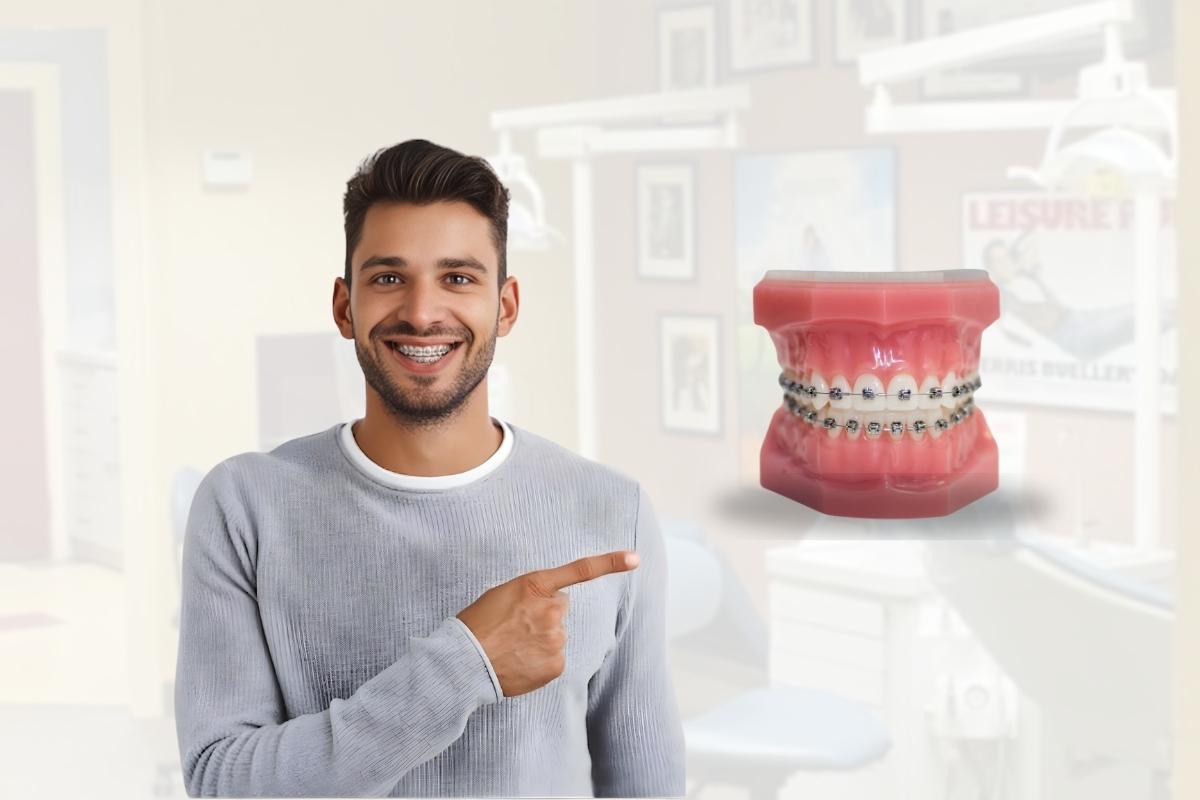
Braces are an essential orthodontic treatment that helps straighten teeth and correct bite issues. However, maintaining proper oral hygiene with braces can be challenging due to the brackets and wires that trap food particles and plaque. To ensure successful treatment and avoid complications like cavities and gum disease, it’s crucial to adopt a thorough cleaning and maintenance routine. In this guide, we’ll cover the best tips for keeping your braces clean and in good condition.
1. Brush Your Teeth Properly
Brushing your teeth with braces requires extra effort to ensure all food debris and plaque are removed.
Brushing Tips:
- Use a Soft-Bristled Toothbrush: A soft-bristled or orthodontic toothbrush is ideal to prevent damage to brackets and wires.
- Choose Fluoride Toothpaste: Fluoride helps prevent cavities and strengthens enamel.
- Brush After Every Meal: Since braces trap food, brushing after every meal prevents plaque buildup and bad breath.
- Use the Right Technique:
- Hold the toothbrush at a 45-degree angle.
- Brush in small circular motions around the brackets and gum line.
- Brush the front, back, and chewing surfaces of all teeth.
- Replace Your Toothbrush Regularly: Braces wear down bristles faster, so change your toothbrush every 3-4 months.
2. Floss Daily
Flossing with braces can be tricky, but it’s essential for removing plaque and food particles from between teeth.
Flossing Techniques:
- Use a Floss Threader: A floss threader helps guide floss under the wires to clean between teeth effectively.
- Try Orthodontic Floss: Special floss designed for dental braces makes the process easier.
- Use a Water Flosser: A water flosser sprays a stream of water to remove debris and plaque, making it an excellent alternative for those struggling with traditional floss.
3. Use an Interdental Brush
Interdental brushes are small, cone-shaped brushes designed to clean around brackets and wires.
How to Use an Interdental Brush:
- Insert the brush gently between brackets and wires.
- Move it back and forth to dislodge trapped food and plaque.
- Use daily for extra cleaning power.
4. Rinse with Mouthwash
Using an antibacterial mouthwash helps reduce plaque, freshen breath, and prevent gum inflammation.
Mouthwash Tips:
- Choose an alcohol-free mouthwash to avoid irritation.
- Swish for 30-60 seconds after brushing and flossing.
- Look for a mouthwash with fluoride to strengthen enamel.
5. Avoid Certain Foods
Some foods can damage braces or make cleaning more difficult.
Foods to Avoid:
- Sticky Foods: Caramel, gum, and chewy candies can get stuck in brackets and wires.
- Hard Foods: Nuts, popcorn, and hard candies can break brackets or bend wires.
- Crunchy Foods: Chips and pretzels can lodge between braces, making cleaning difficult.
- Sugary Foods & Drinks: Soda, juice, and candy contribute to plaque buildup and tooth decay.
6. Stay Hydrated
Drinking plenty of water helps wash away food particles and bacteria.
Hydration Tips:
- Drink water after meals to rinse out food debris.
- Avoid excessively sugary or acidic drinks to prevent enamel erosion.
7. Wear a Mouthguard for Sports
If you play sports, wearing a mouthguard helps protect your braces and teeth from impact.
Mouthguard Tips:
- Use an orthodontic mouthguard designed for braces.
- Replace the mouthguard if it shows signs of wear.
- Wear it during contact sports to prevent injury.
8. Check for Damaged Brackets or Wires
Regularly inspect your braces to ensure everything is intact.
Signs of Damage:
- Loose brackets
- Bent or broken wires
- Pain or irritation in certain areas
What to Do If You Notice Damage:
- Use orthodontic wax to cover sharp edges until you see your orthodontist.
- Avoid hard or sticky foods that could worsen the problem.
- Contact your orthodontist for repairs as soon as possible.
9. Manage Discomfort
Braces can cause soreness, especially after adjustments.
Tips to Relieve Discomfort:
- Use orthodontic wax to cover any poking wires or rough brackets.
- Take over-the-counter pain relievers (as advised by your orthodontist).
- Eat soft foods like yogurt, mashed potatoes, and smoothies.
- Rinse with warm salt water to soothe sore gums.
10. Keep Up with Orthodontic Appointments
Regular orthodontic visits are essential for monitoring progress and making necessary adjustments.
Appointment Tips:
- Follow your orthodontist’s recommended schedule.
- Address any concerns or discomfort during visits.
- Ask for additional cleaning tools if needed.
Taking care of your dental braces requires dedication, but maintaining good oral hygiene and following these cleaning and maintenance tips will help ensure successful treatment. By brushing, flossing, using the right tools, and avoiding certain foods, you can keep your braces in top condition and achieve a beautiful, healthy smile. If you experience any issues, always book your dental appointment today with your orthodontist for guidance.