A healthy, balanced bite does more than create a confident smile—it plays a vital role in your ability to chew, speak, and maintain long-term oral health. When the upper and lower jaws are misaligned, it can lead to persistent discomfort, functional problems, and even changes in facial appearance. In more severe cases, corrective jaw surgery (orthognathic surgery) becomes the most effective solution.
If you’ve been dealing with bite issues that don’t improve with braces alone, it’s important to understand the warning signs and when to seek expert care. At RRC Orthodontics, patients receive comprehensive evaluations and customized treatment plans to restore both function and aesthetics.
What Is Corrective Jaw Surgery?
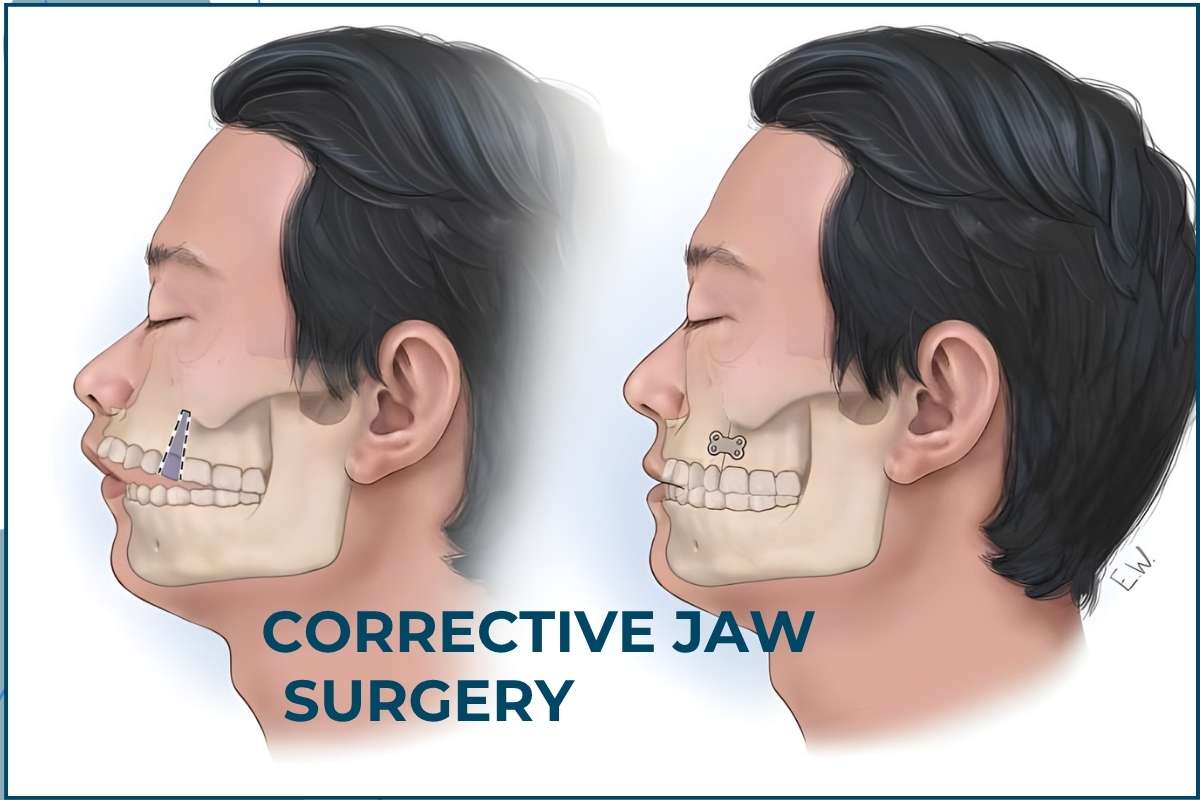
Corrective jaw surgery, also known as orthognathic surgery, is a procedure that repositions the upper jaw, lower jaw, or both to improve alignment. It is often combined with orthodontic treatment to ensure optimal results.
This treatment is recommended when:
- Braces alone cannot correct the bite
- Jaw misalignment affects daily functions
- There are noticeable facial imbalances
By addressing structural issues, corrective jaw surgery improves not just your smile but your overall quality of life.
Common Bite Problems That May Require Surgery
Understanding your bite type can help you recognize whether your condition may require surgical intervention.
1. Overbite
An overbite occurs when the upper teeth significantly overlap the lower teeth. Severe cases can cause:
- Jaw pain
- Tooth wear
- Difficulty chewing
2. Underbite
An underbite happens when the lower jaw extends beyond the upper jaw. This condition can:
- Affect facial symmetry
- Cause speech difficulties
- Lead to uneven tooth wear
3. Crossbite
A crossbite occurs when some upper teeth sit inside the lower teeth instead of outside. It can result in:
- Gum recession
- Tooth damage
- Asymmetrical jaw growth
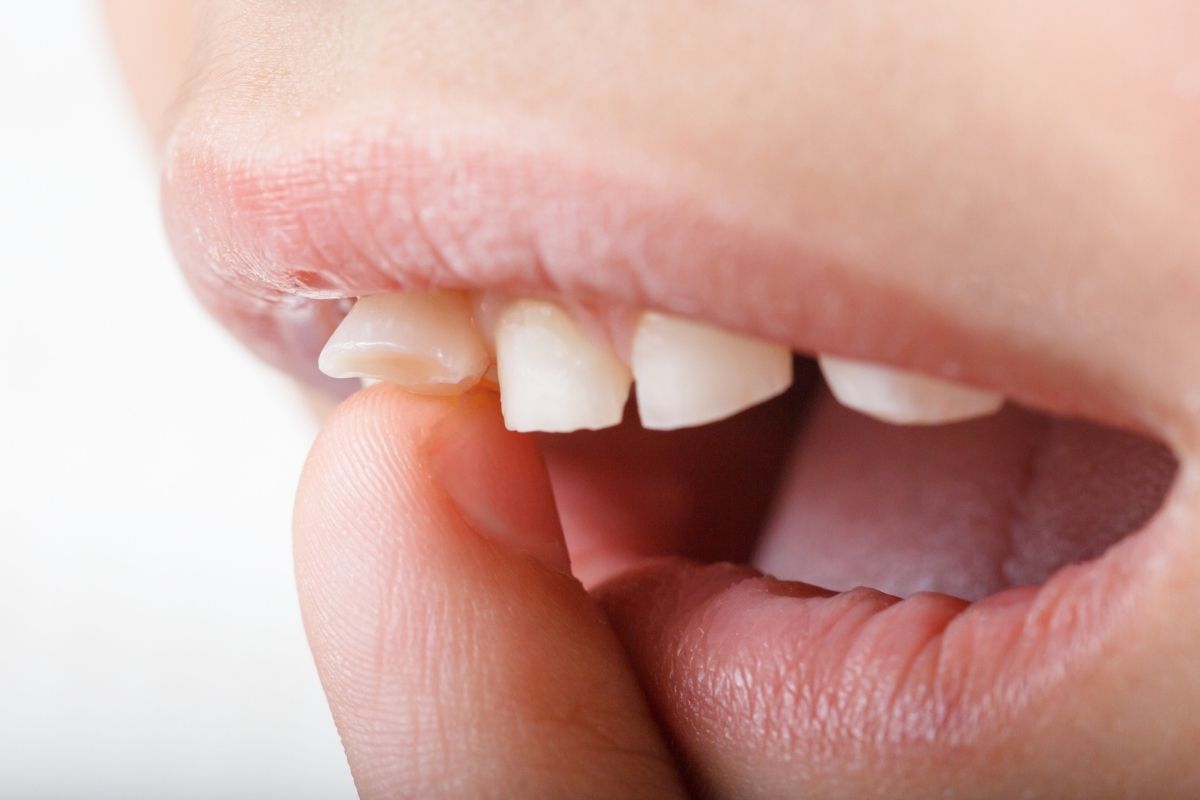
4. Open Bite
An open bite means the upper and lower teeth don’t touch when the mouth is closed. This can lead to:
- Difficulty biting into food
- Speech issues
- Tongue thrusting habits
Signs You Shouldn’t Ignore
Many patients delay treatment because they assume their symptoms are minor or purely cosmetic. However, these warning signs often indicate deeper structural issues:
Persistent Jaw Pain or TMJ Issues
Chronic jaw discomfort, clicking sounds, or stiffness may point to misalignment in the jaw joints.
Difficulty Chewing or Biting
If eating feels uncomfortable or inefficient, your bite may not be properly aligned.
Frequent Headaches
Jaw misalignment can strain surrounding muscles, leading to recurring headaches.
Speech Problems
Lisping or difficulty pronouncing certain words may be linked to jaw positioning.
Facial Imbalance
A noticeably uneven facial profile or protruding jaw can be a sign of skeletal misalignment.
Breathing Issues or Sleep Apnea
In some cases, jaw structure contributes to airway obstruction, leading to sleep-related breathing disorders.
Why Braces Alone May Not Be Enough
Orthodontic treatments like braces or clear aligners are highly effective for correcting tooth positioning. However, they cannot reposition the jawbones themselves.
If your issue stems from skeletal misalignment rather than just tooth placement, corrective jaw surgery may be necessary to:
- Align the jaws properly
- Improve bite function
- Enhance facial symmetry
At RRC Orthodontics, specialists carefully evaluate whether a patient can benefit from orthodontics alone or requires a combined surgical approach.
The Corrective Jaw Surgery Process
Understanding the journey can help reduce anxiety and prepare you for successful treatment.
Step 1: Comprehensive Evaluation
Your orthodontist conducts imaging, digital scans, and bite analysis to assess jaw alignment.
Step 2: Pre-Surgical Orthodontics
Braces are typically worn for several months to position the teeth correctly before surgery.
Step 3: Surgical Procedure
An oral and maxillofacial surgeon repositions the jawbones under general anesthesia.
Step 4: Recovery and Healing
Initial healing takes a few weeks, with full recovery occurring over several months.
Step 5: Post-Surgical Orthodontics
Final adjustments ensure your bite is perfectly aligned.
Benefits of Corrective Jaw Surgery
Patients often experience life-changing improvements after treatment:
- Improved chewing and digestion
- Clearer speech
- Reduced jaw pain and headaches
- Enhanced facial harmony
- Better long-term oral health
Beyond physical benefits, many patients report a significant boost in self-confidence.
Who Is a Good Candidate?
You may be a candidate for corrective jaw surgery if:
- You have a severe bite problem
- Your jaw growth is complete (typically late teens or older)
- You experience functional issues like chewing or speaking difficulties
- Orthodontic treatment alone hasn’t resolved your concerns
A personalized consultation is the best way to determine your eligibility.
Risks and Considerations
Like any surgical procedure, corrective jaw surgery carries some risks, including:
- Temporary swelling or discomfort
- Numbness in certain areas
- Recovery time requirements
However, with experienced professionals and proper aftercare, complications are rare, and outcomes are highly successful.
Why Choose RRC Orthodontics?
RRC Orthodontics is committed to delivering patient-centered care with advanced technology and personalized treatment plans. Their team collaborates closely with skilled surgeons to ensure seamless, effective results.
Patients benefit from:
- Comprehensive diagnostics
- Customized treatment strategies
- Ongoing support throughout the process
Take the First Step Toward a Healthier Bite
Ignoring bite issues can lead to long-term complications, including tooth damage, chronic pain, and reduced quality of life. Early intervention can make all the difference.
If you’re experiencing any of the signs mentioned above, don’t wait. Schedule your appointment today at RRC Orthodontics—New Lenox and take the first step toward a healthier, more confident smile.
FAQs
1. How do I know if I need corrective jaw surgery?
If you experience persistent jaw pain, difficulty chewing, speech issues, or noticeable facial imbalance, you may need an evaluation for jaw surgery.
2. Is corrective jaw surgery painful?
The procedure is performed under anesthesia, so you won’t feel pain during surgery. Post-operative discomfort is manageable with medication and proper care.
3. How long does recovery take?
Initial recovery usually takes 2–3 weeks, while full healing may take several months, depending on the complexity of the case.
4. Can braces fix my bite without surgery?
Braces can correct many alignment issues, but severe skeletal problems often require surgery for complete correction.
5. Will jaw surgery change my appearance?
Yes, corrective jaw surgery often improves facial balance and symmetry, leading to a more harmonious appearance.