When it comes to achieving a healthy, confident smile, traditional braces can correct many alignment issues. However, in some cases, braces alone aren’t enough—especially when the problem involves the jaw’s position or structure. That’s where surgical orthodontics (jaw surgery) comes in.
If you’ve been told you might need jaw surgery along with braces, you probably have questions. Is it necessary? What are the benefits? And how do you know if it’s right for you?
We’ll explore 7 key signs that surgical orthodontics may be the ideal solution, how the process works, and what you can expect.
What Is Surgical Orthodontics?
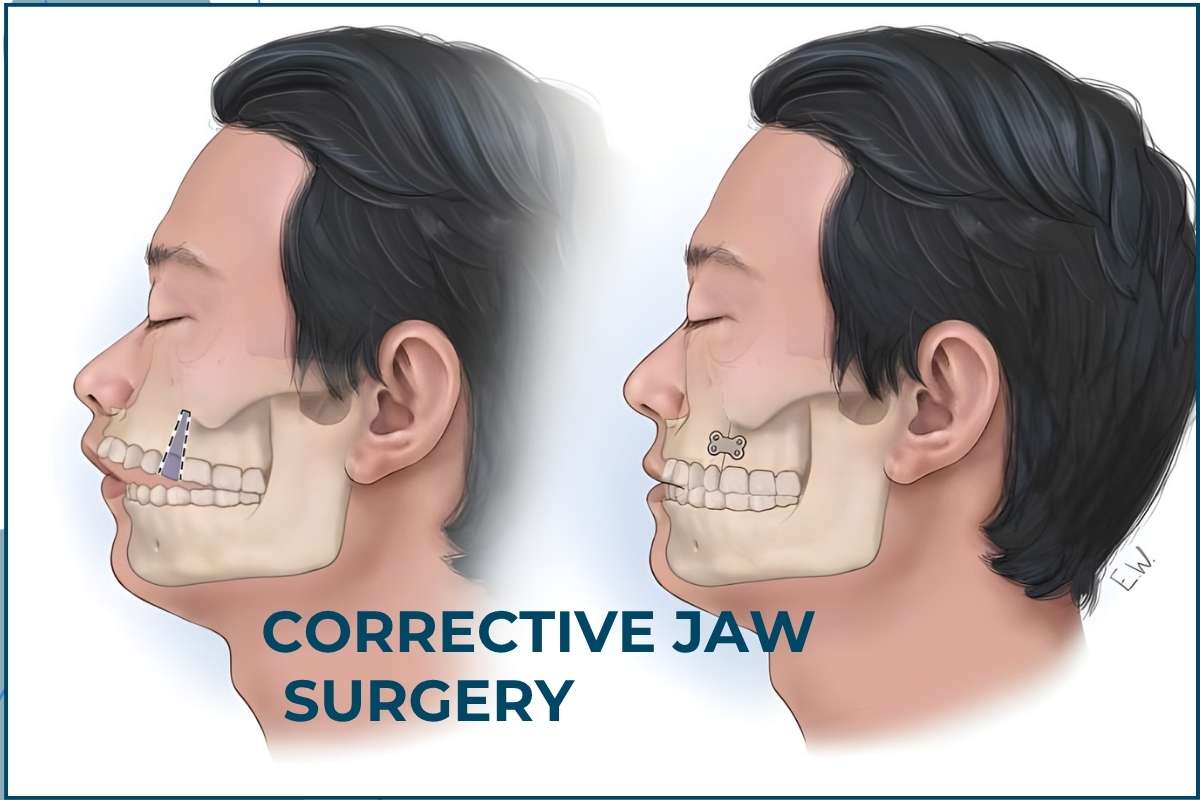
Surgical orthodontics, also known as orthognathic surgery, is a procedure used to correct irregularities in the jaw bones. It’s typically recommended for adults whose jaws have fully developed and whose issues go beyond what braces alone can fix.
This combined treatment involves:
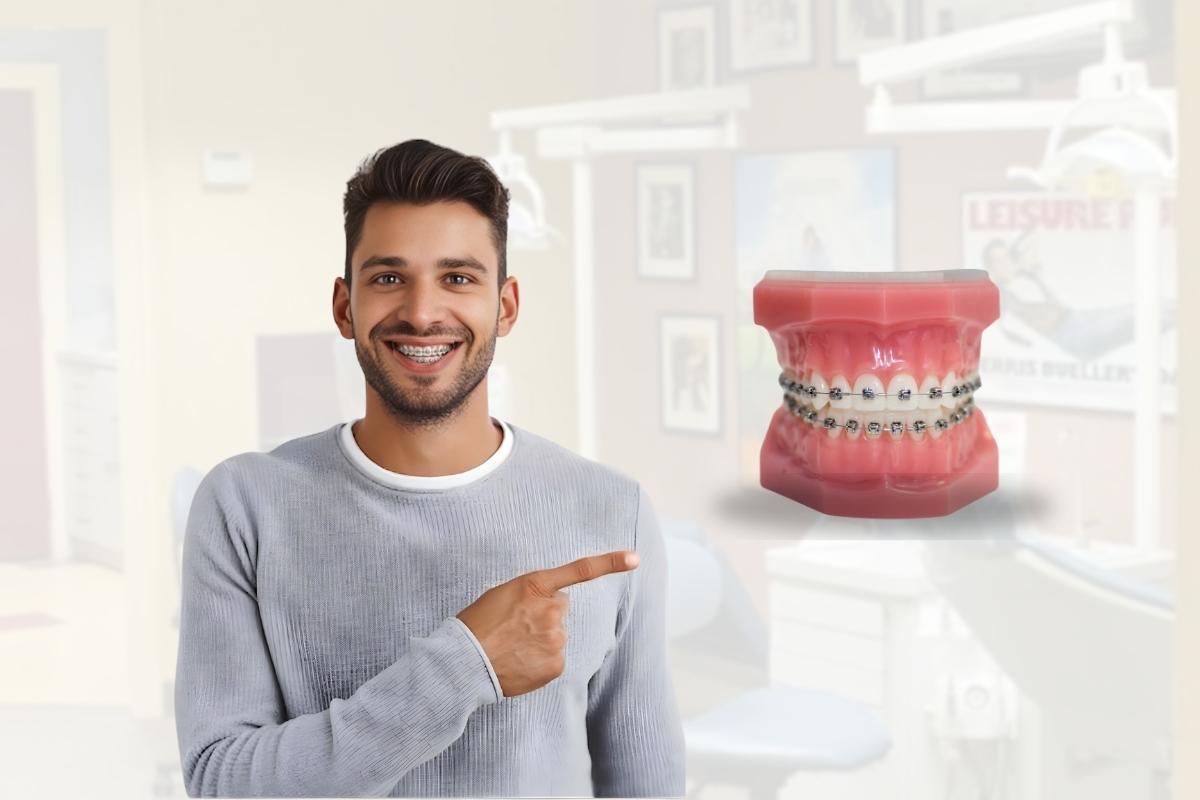
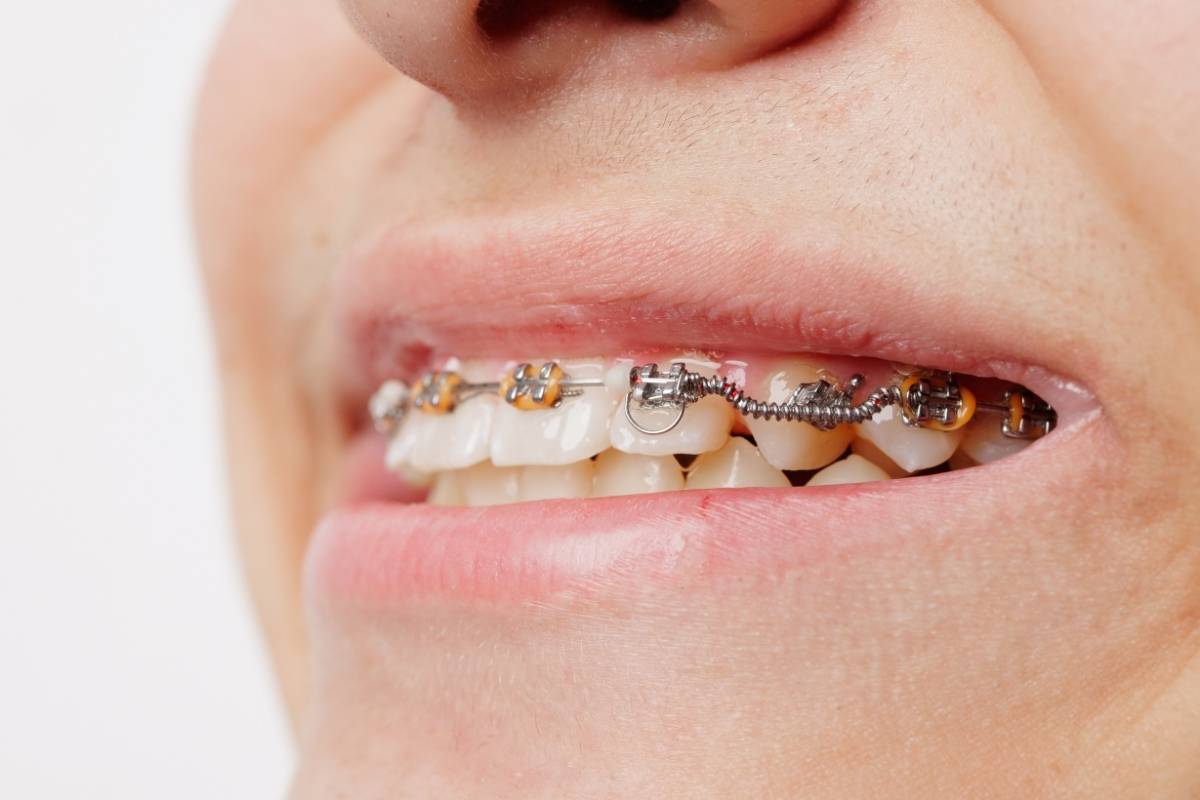
- Orthodontic treatment (braces or aligners) to align the teeth
- Jaw surgery to reposition the upper jaw, lower jaw, or both
The goal? To improve function, facial balance, and long-term oral health.
Why Braces Alone Aren’t Always Enough
Braces work by gradually moving teeth into proper alignment. However, when the underlying issue involves the following:
- Jaw misalignment
- Skeletal discrepancies
- Bite irregularities
…then simply moving the teeth won’t fully solve the problem. Without correcting the jaw position, patients may continue to experience discomfort, poor function, or relapse after treatment.
7 Signs You May Need Jaw Surgery with Braces
1. Difficulty Chewing or Biting Food
If eating feels uncomfortable or inefficient, it may be due to a misaligned bite (malocclusion). When the upper and lower jaws don’t meet properly, chewing can become a daily struggle.
Jaw surgery can reposition the jaws so your teeth come together correctly, improving both comfort and digestion.
2. Chronic Jaw Pain or TMJ Issues
Persistent jaw pain, clicking, or stiffness may point to temporomandibular joint (TMJ) disorders. While mild cases can be treated non-surgically, severe structural misalignment often requires surgical correction.
Surgical orthodontics can relieve pressure on the joints, reducing pain and restoring proper function.
3. Severe Overbite, Underbite, or Open Bite
Minor bite issues are usually corrected with braces. However, severe cases may need surgery:
- Overbite: Upper teeth extend too far over lower teeth
- Underbite: Lower jaw protrudes forward
- Open bite: Front teeth don’t touch when biting
These conditions often stem from skeletal discrepancies rather than just tooth positioning.
4. Speech Difficulties
Jaw misalignment can interfere with how you form sounds, leading to speech issues such as lisping or difficulty pronouncing certain words.
Correcting the jaw structure can significantly improve speech clarity and confidence.
5. Facial Imbalance or Asymmetry
Your jaw plays a major role in your facial appearance. If you notice:
- A recessed chin
- A protruding jaw
- Facial asymmetry
…it may be due to underlying skeletal issues. Surgical orthodontics can create a more balanced, harmonious facial profile.
6. Breathing Problems or Sleep Apnea
A misaligned jaw can restrict airflow, contributing to obstructive sleep apnea (OSA) or chronic breathing difficulties.
Jaw surgery can open the airway, improving breathing and sleep quality—sometimes dramatically.
7. Teeth Wear, Damage, or Gum Issues
An improper bite can place excessive pressure on certain teeth, leading to:
- Premature wear
- Cracks or fractures
- Gum recession
Correcting the jaw alignment helps distribute forces evenly, protecting your teeth and supporting structures.
What to Expect During the Treatment Process
Step 1: Initial Consultation
Your orthodontist will evaluate your
- Bite and jaw alignment
- Facial structure
- Dental health
Advanced imaging and digital scans help create a precise treatment plan.
Step 2: Pre-Surgical Orthodontics
Before surgery, braces are used to align your teeth into their correct positions. This stage typically lasts 12–18 months.
Step 3: Jaw Surgery
Performed by an oral and maxillofacial surgeon, the procedure:
- Repositions the jaw(s)
- Is done under general anesthesia
- Usually requires a short hospital stay
Step 4: Recovery and Healing
Recovery time varies, but most patients return to normal activities within a few weeks. Full healing may take a few months.
Step 5: Post-Surgical Orthodontics
Braces are adjusted after surgery to fine-tune your bite and ensure long-lasting results.
Benefits of Surgical Orthodontics
Choosing jaw surgery with braces can provide life-changing benefits:
- Improved bite and chewing efficiency
- Relief from jaw pain and TMJ symptoms
- Enhanced facial aesthetics
- Better speech clarity
- Improved breathing and sleep quality
- Long-term oral health stability
Is Jaw Surgery Right for You?
Not everyone needs surgical orthodontics. However, if your concerns involve both teeth alignment and jaw structure, it may be the most effective and lasting solution.
The best way to know is through a personalized consultation. A skilled orthodontic team will guide you through your options and recommend the treatment that best fits your needs and goals.
Why Choose a Local Orthodontic Expert in Joliet, IL?
When considering a complex treatment like surgical orthodontics, choosing a trusted local provider makes all the difference. You’ll benefit from:
- Personalized care
- Ongoing monitoring
- Collaboration between orthodontists and surgeons
- Convenient follow-up visits
Take the First Step Toward a Healthier Smile
If you’re experiencing jaw pain, bite issues, or facial imbalance, don’t wait to explore your options. Surgical orthodontics could be the key to transforming not just your smile but your overall quality of life.
Schedule your appointment today and visit our dental office at 227 North Hammes Avenue, Joliet, IL 60435, to discover whether jaw surgery with braces is right for you. Our experienced team is here to guide you every step of the way toward a healthier, more confident smile.