Orthodontic treatment has evolved with the introduction of Invisalign, a clear aligner system that offers a discreet alternative to traditional braces. While Invisalign can address a variety of orthodontic issues, it may not be suitable for every case. Let’s explore the types of orthodontic problems that Invisalign may not fix, providing insights from an experienced orthodontist in New Lenox.
1. Severe Bite Issues
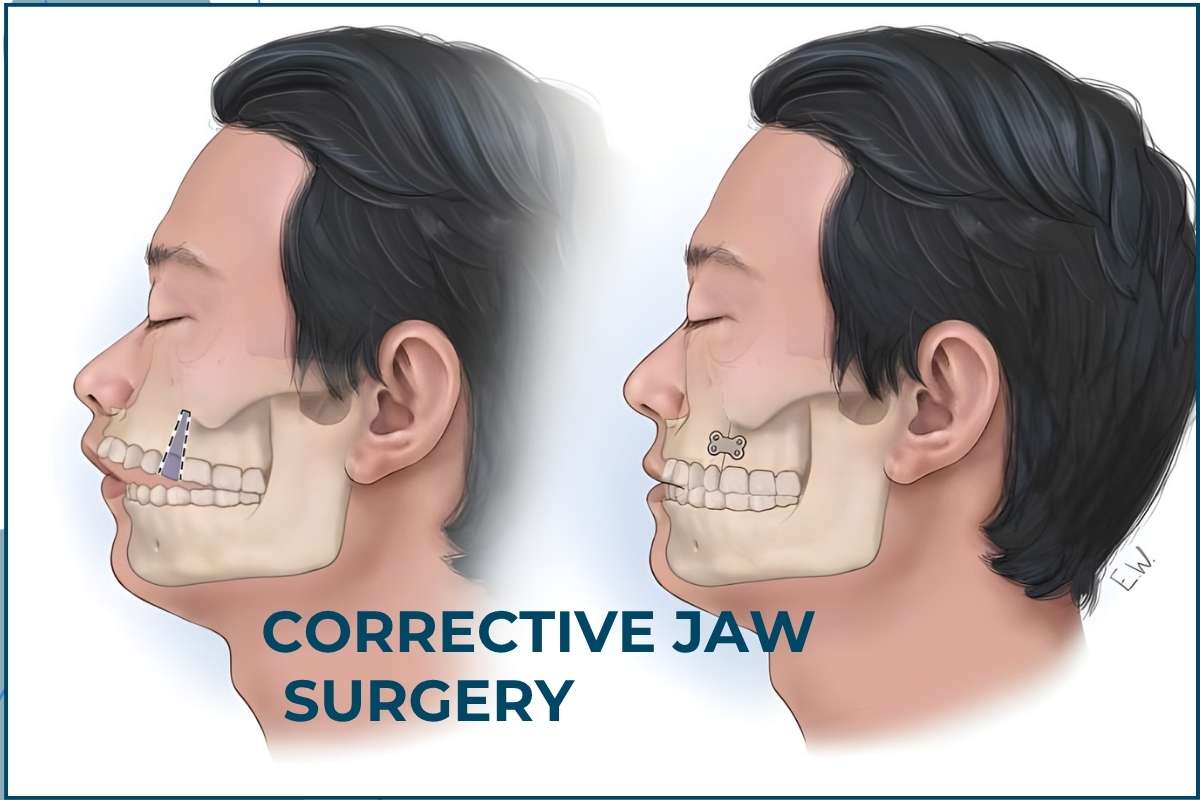
Invisalign is effective for mild to moderate bite issues, such as overbites, underbites, and crossbites. However, in cases of severe malocclusions where significant jaw repositioning is required, traditional braces or other orthodontic interventions may be more appropriate. An orthodontist in New Lenox will assess the severity of your bite issue and recommend the most suitable treatment option.
2. Complex Tooth Rotation
While Invisalign can handle mild to moderate tooth rotations, it may face limitations in cases of complex or severe tooth rotations. Traditional braces, with their precise control over tooth movement, may be recommended by an orthodontist for more intricate cases where precise adjustments are necessary to achieve optimal alignment.
3. Vertical Tooth Movements
Invisalign primarily focuses on horizontal tooth movements, making it effective for addressing issues like crowding and spacing. However, for cases requiring significant vertical movements, such as extruding or intruding teeth, traditional braces may be a more suitable choice. Your orthodontist will assess your specific needs and recommend the treatment that can achieve the desired results.
4. Large Gaps Between Teeth
While Invisalign is successful in closing small to moderate gaps between teeth, it may face challenges in cases of larger gaps. Traditional braces with the use of specialized appliances may be more effective in closing substantial spaces between teeth. Your orthodontist will evaluate the size of the gaps and recommend the most appropriate treatment to achieve the desired aesthetic and functional outcome.
5. Short Treatment Timeline Requirements
Invisalign treatment typically requires a series of aligners worn sequentially over several months to achieve the desired tooth movements. For individuals with a specific event or deadline requiring rapid orthodontic results, such as a wedding or graduation, traditional braces with accelerated orthodontic techniques may offer a quicker solution. Your orthodontist will discuss your timeline expectations and recommend the most efficient treatment option.
6. Lack of Patient Compliance
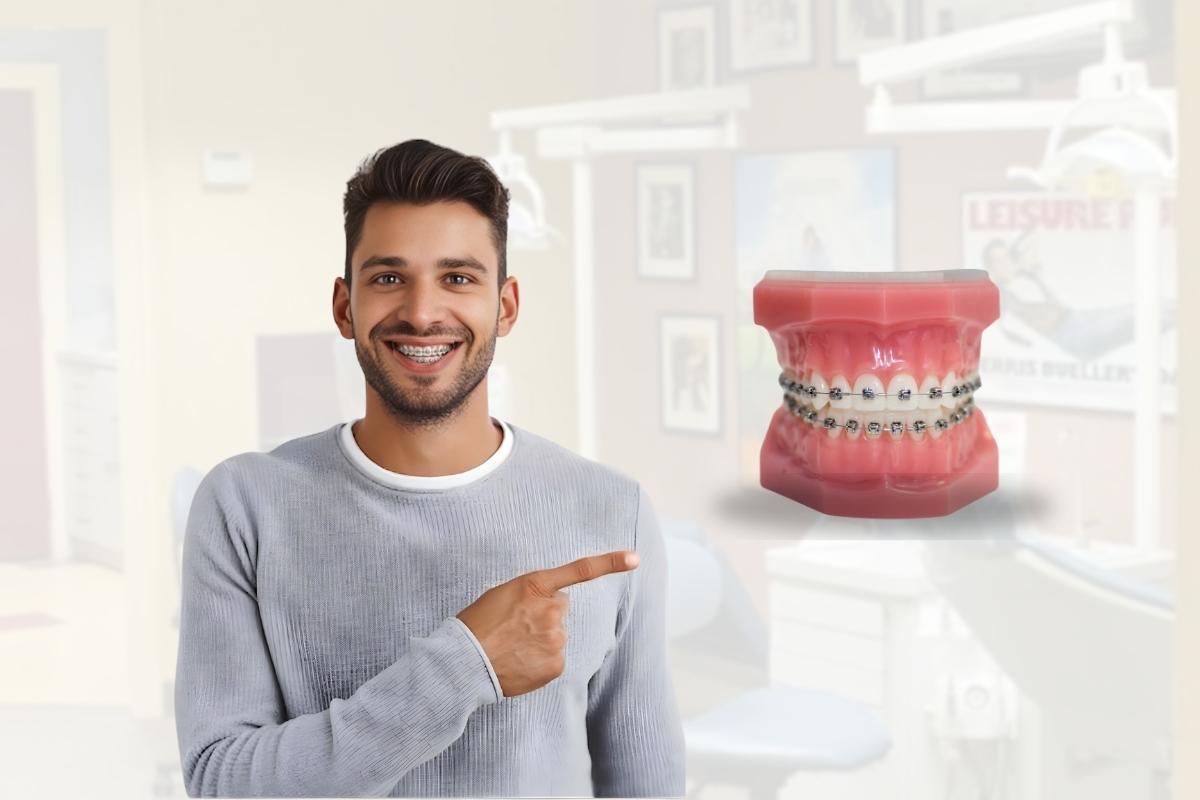
Invisalign’s success relies on consistent patient compliance with wearing the aligners as directed. Individuals who struggle with maintaining the recommended wear time (20-22 hours per day) or frequently remove the aligners may experience compromised results. In such cases, traditional braces, which are affixed to the teeth, maybe a more suitable option for achieving the desired outcomes.
Invisalign has revolutionized orthodontic treatment, providing a convenient and aesthetically pleasing option for many individuals. However, there may be better solutions for some orthodontic problems. Consultation with an experienced orthodontist in New Lenox is crucial to determine the suitability of Invisalign for your specific case and to explore alternative treatment options if needed. By understanding the limitations of Invisalign, you can make informed decisions about your orthodontic journey and achieve the smile you desire.