Early orthodontic treatment, also known as Phase I treatment, focuses on addressing dental and skeletal issues in children typically between 6 and 10. By intervening early, orthodontists can guide the proper growth of the jaw and incoming permanent teeth, potentially preventing more severe problems in the future. Here, we explore various early orthodontic treatments, including expanders, braces, and more, to provide a comprehensive understanding of the options available.
1. Expanders
Palatal Expanders: These devices widen the upper jaw, creating more space for teeth to align properly. Expanders are especially beneficial for children with a narrow upper jaw, crossbites, or crowding issues. The expander is attached to the upper molars and gradually widens the jaw by turning a key, usually daily, until the desired expansion is achieved.
Benefits:
- Corrects crossbites and overcrowding.
- Improves breathing by increasing nasal passages.
- Enhances facial symmetry.
2. Braces
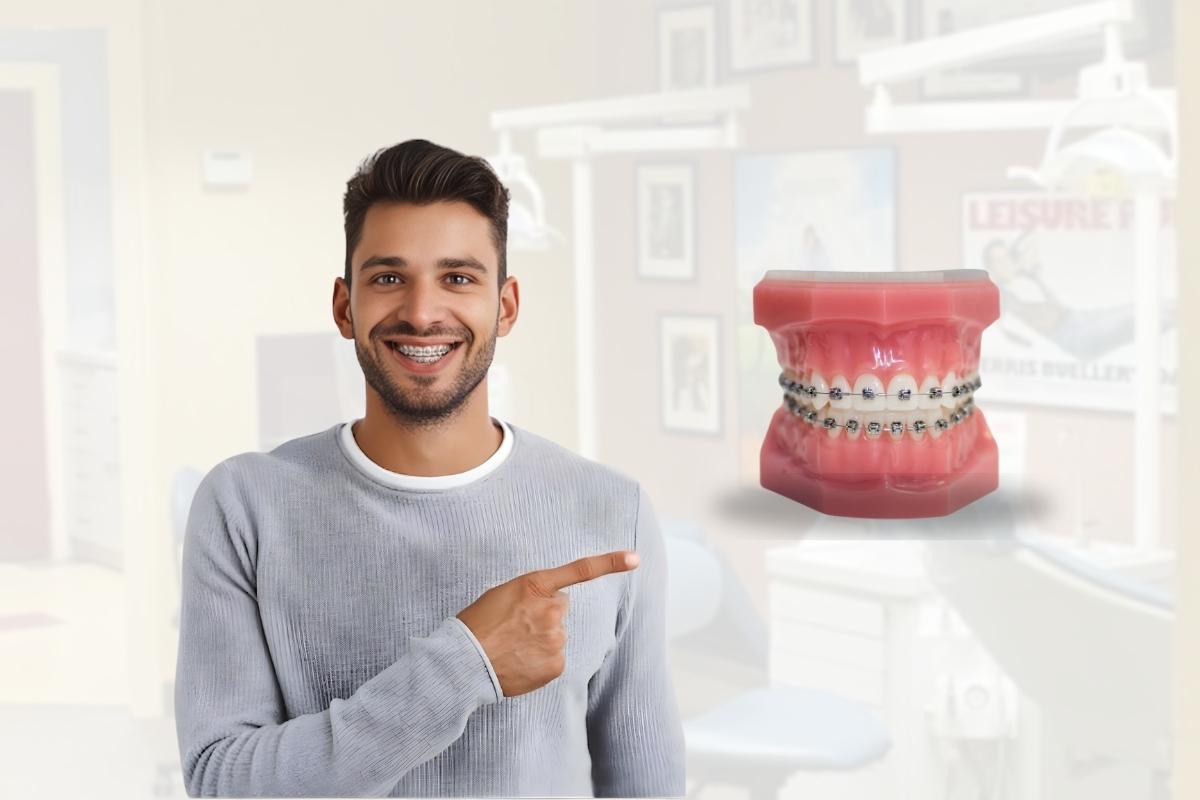
Traditional Metal Braces: While often associated with teenagers, metal braces can also be used in younger children to correct various dental issues. These braces consist of metal brackets glued to the teeth, connected by a wire that is periodically tightened to shift the teeth into the correct position.
Benefits:
- Highly effective for complex dental problems.
- Durable and less prone to breakage.
Ceramic Braces: Similar to traditional braces but with tooth-colored or clear brackets, making them less noticeable. Ceramic braces are a good option for children self-conscious about their appearance.
Benefits:
- Less visible than metal braces.
- Effective for moderate to severe dental issues.
3. Space Maintainers
Fixed Space Maintainers: These devices are used when a child loses a baby tooth prematurely. They prevent the adjacent teeth from shifting into the space, ensuring enough room for the permanent tooth to emerge properly.
Benefits:
- Prevents misalignment caused by early tooth loss.
- Simple and effective in maintaining dental arch integrity.
4. Partial Braces
Partial or Phase I braces are used when only a few teeth need correction. They are typically applied to the front teeth or specific problem areas and are less invasive than full braces.
Benefits:
- Targeted approach to early dental issues.
- Prepares the mouth for comprehensive treatment later, if needed.
5. Retainers
Hawley Retainers: These removable devices are often used after expanders or braces to maintain the position of the teeth. They consist of a metal wire that surrounds the teeth and an acrylic base that sits on the roof of the mouth.
Benefits:
- Maintains dental corrections achieved by other treatments.
- Customizable for a comfortable fit.
Fixed Retainers: These are permanently bonded to the back of the teeth to keep them from shifting after orthodontic treatment.
Benefits:
- Continuous, long-term stability.
- There is no risk of losing the retainer.
6. Headgear
Headgear is sometimes used in early orthodontic treatment to correct significant bite issues, such as overbites or underbites. It involves an external frame that attaches to braces or bands on the teeth and exerts pressure to guide the jaw and teeth growth.
Benefits:
- Effective for severe bite problems.
- This can reduce the need for more invasive treatments later.
Conclusion
Early orthodontic treatment offers a variety of options tailored to address specific dental issues in children. From expanders to retainers, each therapy has unique benefits that contribute to achieving a healthy, well-aligned smile. By starting treatment early, orthodontists can guide the development of the jaw and teeth, often reducing the complexity and duration of future orthodontic work. If you suspect your child might benefit from early orthodontic treatment, consult with a qualified orthodontist to explore the best options for their specific needs.