Orthodontic treatment is no longer a one-size-fits-all solution. While traditional braces or Invisalign can correct minor to moderate dental misalignments, some patients face more complex issues that require advanced intervention. This is where surgical orthodontics comes into play—a specialized approach designed to address severe jaw misalignments and bite irregularities. But how do you know if you’re a candidate for this type of treatment? Let’s explore the key signs that surgical orthodontics might be the right choice for you.
What is Surgical Orthodontics?
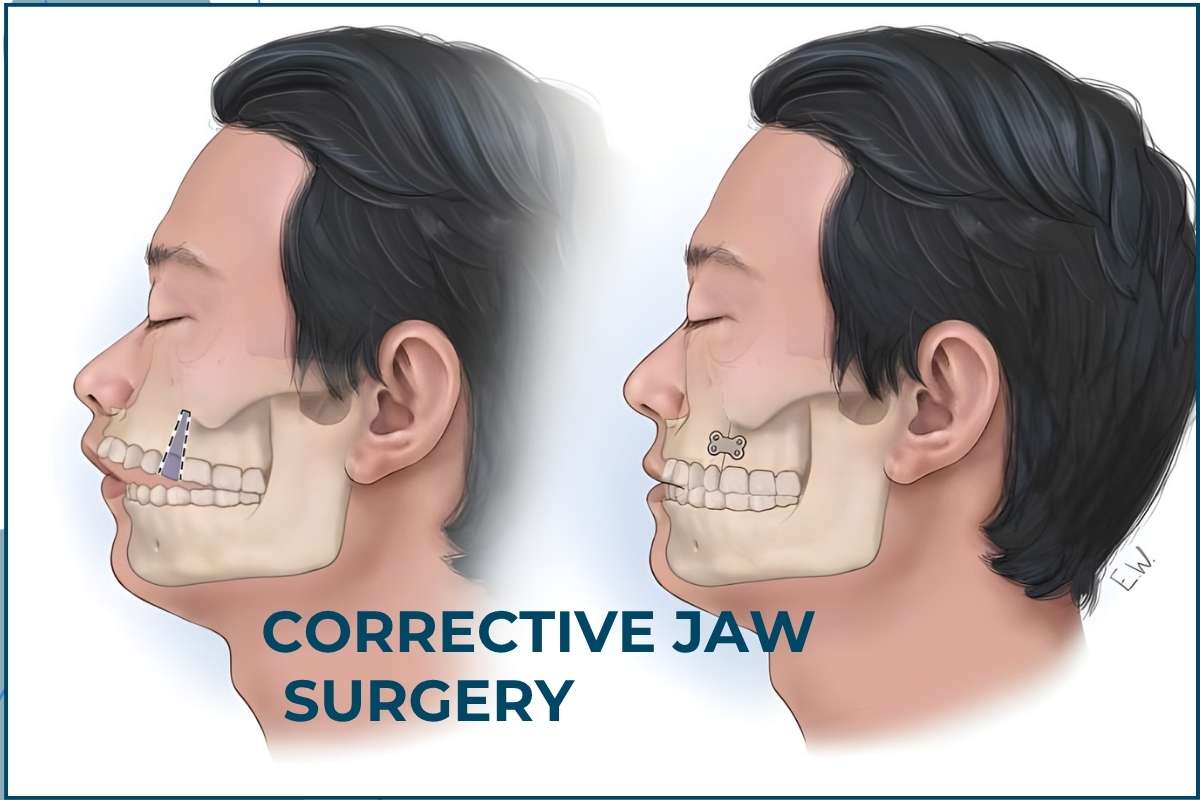
Surgical orthodontics, also known as orthognathic surgery, combines conventional orthodontic techniques with corrective jaw surgery to address significant dental and skeletal problems. Unlike standard braces, which move teeth gradually, surgical orthodontics can reposition the jaw to improve function, symmetry, and aesthetics.
Patients often benefit from this treatment when traditional braces alone cannot fully correct bite or jaw issues. It not only enhances your smile but can also improve chewing, speech, and overall oral health.
Signs You May Need More Than Traditional Braces
While many orthodontic issues can be addressed with braces, certain signs indicate that surgery may be necessary:
1. Severe Overbite or Underbite
A minor overbite or underbite is often manageable with braces alone. However, if your upper and lower jaws are significantly misaligned, braces may not be enough to achieve proper occlusion. Surgical orthodontics can reposition the jaw to create a balanced bite.
2. Difficulty Chewing or Speaking
Functional challenges such as trouble biting, chewing, or enunciating words clearly may indicate underlying skeletal discrepancies. Surgical orthodontics can help restore proper jaw alignment, making everyday activities more comfortable.
3. Chronic Jaw Pain or TMJ Issues
Persistent jaw pain, headaches, or temporomandibular joint (TMJ) disorders may stem from structural misalignments. Corrective jaw surgery can relieve strain on your jaw muscles and joints, offering long-term relief.
4. Facial Asymmetry
Noticeable differences in jaw or facial symmetry can affect both appearance and confidence. Surgical orthodontics can correct these imbalances, resulting in a more harmonious facial profile.
5. History of Unsuccessful Orthodontic Treatment
If previous attempts with braces or Invisalign failed to fully resolve your bite or alignment issues, you may be a candidate for surgical intervention. Combining surgery with orthodontics offers a more permanent solution.
Benefits of Surgical Orthodontics
- Long-Lasting Results: By addressing skeletal issues, surgical orthodontics offers more stable and enduring results than braces alone.
- Improved Oral Health: Proper jaw alignment reduces wear on teeth, decreases the risk of gum disease, and supports overall dental health.
- Enhanced Aesthetics: Corrective surgery improves facial balance and boosts self-confidence.
- Functional Improvements: Enjoy better chewing, speaking, and breathing after treatment.
What to Expect During Treatment
Surgical orthodontics is a multi-step process:
- Initial Consultation: Your orthodontist evaluates your bite, jaw alignment, and facial structure to determine if surgery is necessary.
- Pre-Surgical Orthodontics: Braces may be placed to align your teeth in preparation for surgery.
- Surgery: Performed by an oral and maxillofacial surgeon, this procedure repositions your jaw for optimal alignment.
- Post-Surgical Orthodontics: Braces may remain for a few months to fine-tune the bite and ensure stability.
- Recovery and Follow-Up: Healing times vary, but your orthodontist will monitor progress and provide care instructions.
Why Choose a Specialist in New Lenox
Choosing a provider experienced in surgical orthodontics in New Lenox ensures that your treatment is tailored to your unique needs. Skilled professionals can combine advanced imaging, surgical expertise, and orthodontic precision to deliver safe, effective, and lasting results.
If you’re experiencing severe bite issues, jaw pain, or facial asymmetry, it may be time to explore surgical orthodontics. Schedule an appointment today to discuss your options and develop a personalized treatment plan. Visit us at: 1938 East Lincoln Highway, Unit 121, New Lenox, IL 60451.
FAQs
1. Who is a candidate for surgical orthodontics?
Candidates typically have severe bite misalignments, jaw discrepancies, or functional issues that cannot be corrected with braces alone.
2. Is surgical orthodontics painful?
Modern techniques and anesthesia make the procedure manageable. Some discomfort and swelling are normal during recovery, but pain is controlled with prescribed medication.
3. How long does treatment take?
The overall process, including pre- and post-surgical orthodontics, usually ranges from 12 to 24 months, depending on the complexity of the case.