A straight, healthy smile does more than boost your confidence—it supports proper oral health, speech, and long-term comfort. Many teens and adults assume orthodontic treatment is only necessary for severely crooked teeth, but the reality is that subtle alignment issues can lead to significant dental problems over time.
If you live in Wilmington and are wondering whether orthodontic care is right for you or your child, understanding the warning signs is the first step. From visible crowding to chronic jaw pain, here’s what to watch for—and why early evaluation matters.
1. Crooked or Crowded Teeth
One of the most obvious signs you may need orthodontic treatment is crooked or overlapping teeth. When teeth are crowded, they compete for space, twisting or shifting out of alignment.
Why It Matters:
- Crowded teeth are harder to brush and floss properly.
- Plaque and bacteria can accumulate in tight spaces.
- Increased risk of cavities and gum disease.
- Uneven wear on enamel.
Even mild crowding can worsen over time. Orthodontic solutions like braces or clear aligners gradually reposition teeth, creating a straighter, healthier smile that’s easier to maintain.
2. Gaps Between Teeth
Spacing issues aren’t just cosmetic. Large gaps between teeth can:
- Trap food particles.
- Affect your bite alignment.
- Lead to shifting over time.
While some patients embrace minor spacing as part of their unique smile, significant gaps may require orthodontic correction to improve both appearance and function.
3. Difficulty Biting or Chewing
Do you struggle to bite into foods evenly? Does one side of your mouth do most of the chewing?
This could indicate a bite misalignment, also known as malocclusion. Common bite issues include:
- Overbite—Upper teeth extend too far over lower teeth.
- Underbite—Lower teeth protrude past upper teeth.
- Crossbite—Some upper teeth sit inside lower teeth.
- Open bite—Front teeth don’t touch when the mouth is closed.
When your bite isn’t aligned properly, it can cause:
- Premature tooth wear
- Jaw discomfort
- Increased risk of chipped teeth
- Headaches and facial tension
Orthodontic treatment helps correct these imbalances, improving both comfort and function.
4. Jaw Pain, Clicking, or Popping
Frequent jaw discomfort is not something to ignore. If you notice:
- Clicking or popping sounds
- Pain while chewing
- Locking of the jaw
- Chronic headaches
You may have an underlying alignment issue contributing to TMJ (temporomandibular joint) dysfunction.
Jaw misalignment can place uneven pressure on the joint, leading to inflammation and discomfort. In many cases, orthodontic correction plays a key role in relieving stress on the jaw and improving overall alignment.
5. Speech Difficulties
Misaligned teeth can affect how you pronounce certain sounds. Lisping or difficulty articulating “s,” “th,” or “f” sounds may be influenced by tooth positioning or bite irregularities.
Orthodontic treatment can help correct the alignment that contributes to speech challenges, particularly in children whose teeth and jaws are still developing.
6. Mouth Breathing
Chronic mouth breathing—especially in children—can signal jaw development or alignment issues. It may be associated with:
- Narrow dental arches
- Improper tongue positioning
- Bite abnormalities
Left untreated, mouth breathing can contribute to changes in facial development, dry mouth, and increased risk of cavities. Early orthodontic evaluation can identify whether structural correction is needed.
7. Teeth Grinding (Bruxism)
If you grind your teeth at night or wake up with jaw soreness, your bite alignment could be a contributing factor.
Misaligned teeth can create uneven contact between upper and lower arches, increasing stress and tension during sleep. Over time, grinding can:
- Wear down enamel
- Cause sensitivity
- Lead to cracked or fractured teeth
Correcting alignment often reduces the strain that fuels bruxism.
8. Shifting Teeth in Adulthood
Think orthodontics is only for teens? Think again.
Many adults in Wilmington notice their teeth shifting later in life. This can happen due to:
- Natural aging
- Tooth loss
- Gum disease
- Not wearing a retainer after past treatment
Clear aligners and modern orthodontic solutions make adult treatment more discreet and convenient than ever before.
9. Early or Late Loss of Baby Teeth
For parents, monitoring your child’s dental development is essential. If baby teeth fall out too early or too late, permanent teeth may erupt improperly.
An orthodontic evaluation around age 7 allows professionals to:
- Assess jaw growth
- Identify developing bite problems
- Recommend early intervention if needed
Early treatment can reduce the need for more extensive correction later.
10. Facial Imbalance or Profile Concerns
Jaw misalignment can affect more than your smile—it can influence your facial profile. Signs may include:
- Receding chin
- Prominent lower jaw
- Asymmetrical facial appearance
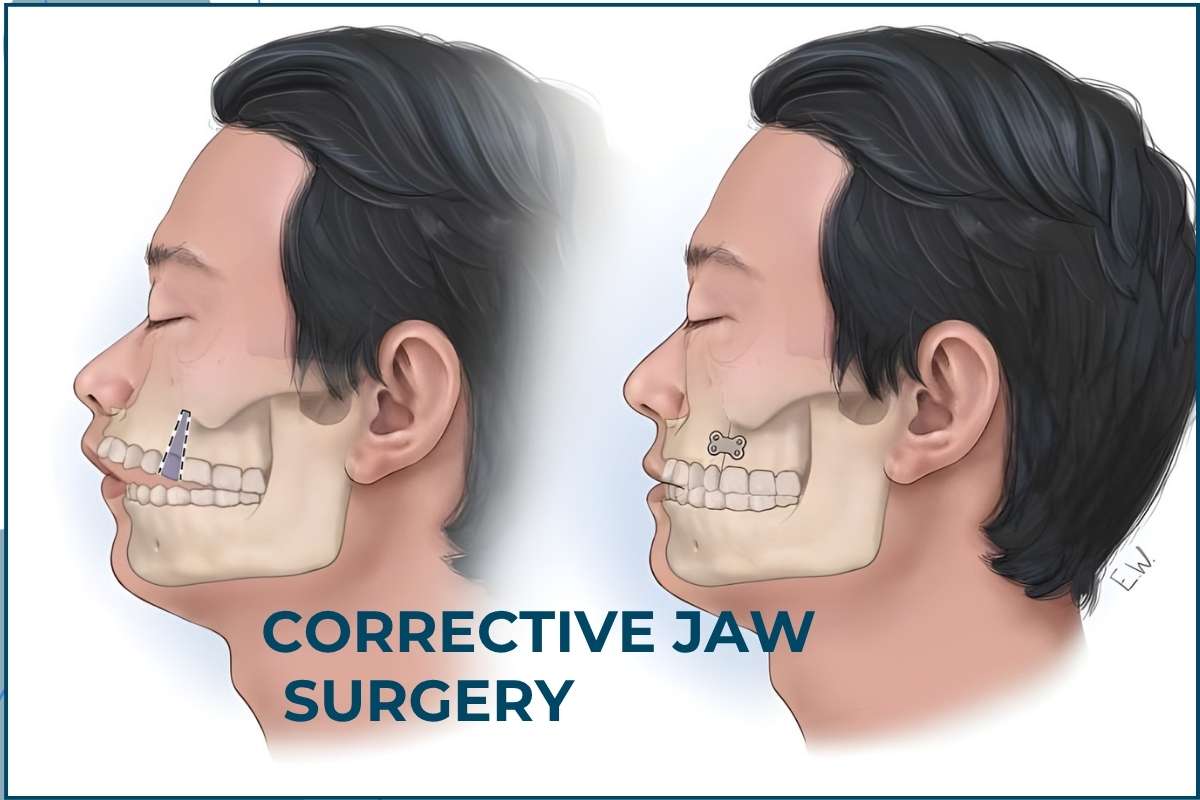
Orthodontic care, sometimes combined with surgical orthodontics in severe cases, can improve both function and facial harmony.
Why Early Orthodontic Evaluation Is Important
Many alignment problems are easier to treat when identified early. Delaying care can result in:
- Increased treatment time
- More complex procedures
- Greater discomfort
- Higher long-term costs
Even if you’re unsure whether your concerns are significant, a professional orthodontic consultation can provide clarity and personalized recommendations.
Modern Orthodontic Treatment Options
Today’s orthodontic solutions are more advanced and comfortable than ever. Depending on your needs, treatment may include:
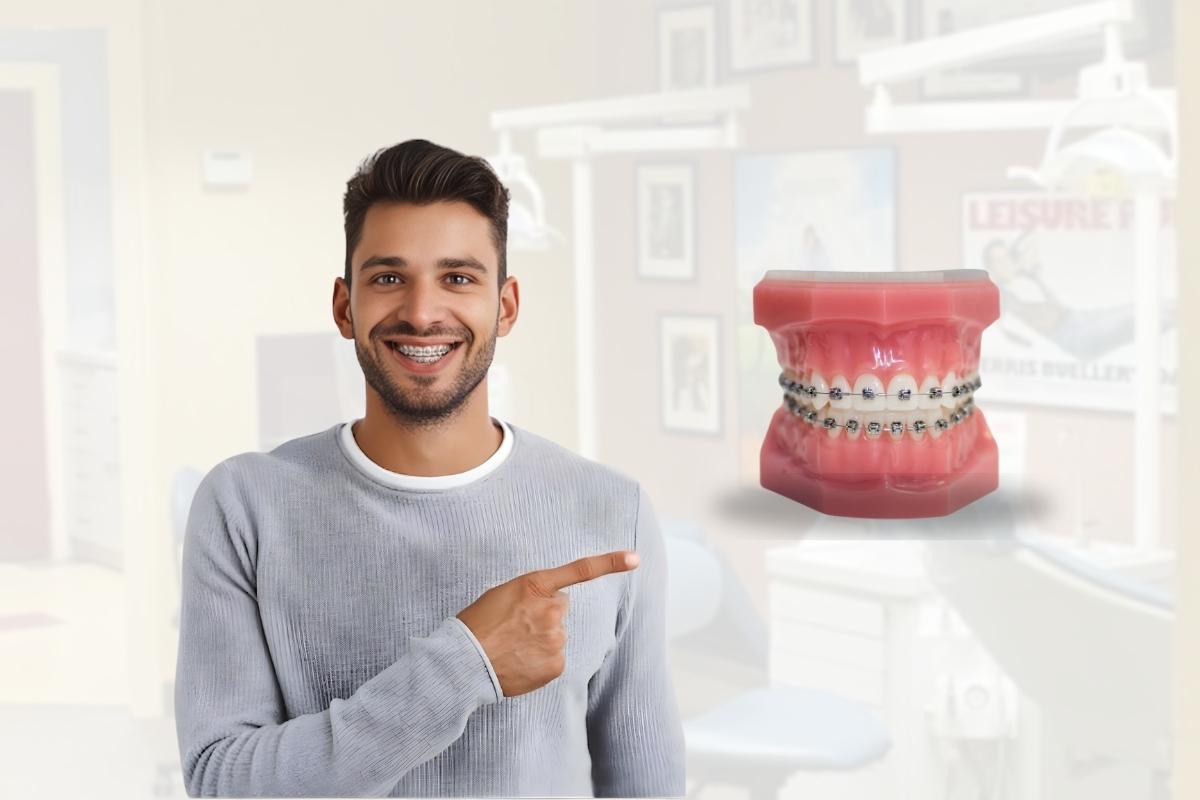
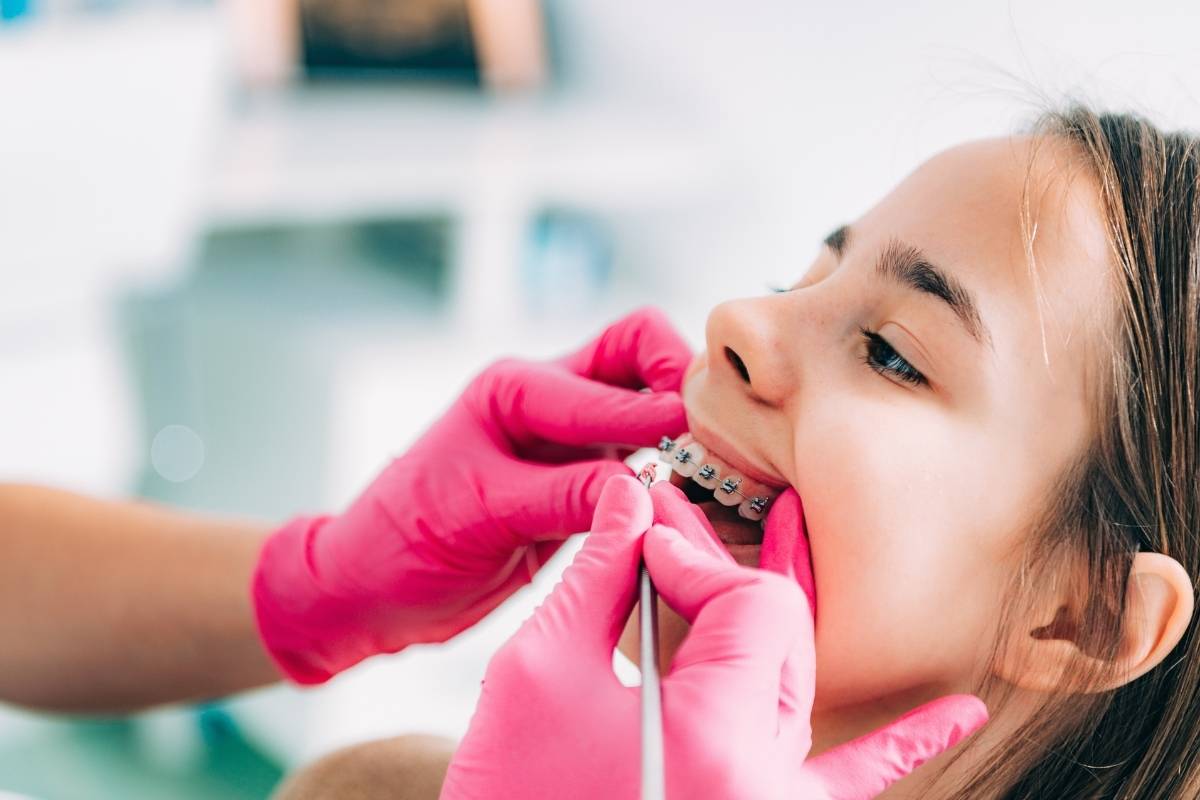
Traditional Braces
Durable and effective for complex cases.
Clear Braces
Less noticeable than metal brackets.
Clear Aligners
Removable, nearly invisible trays that gradually shift teeth into place.
Your orthodontist will design a customized treatment plan based on your bite, jaw alignment, and lifestyle preferences.
The Long-Term Benefits of Orthodontic Treatment
Orthodontics isn’t just about appearance—it’s about lifelong oral health. Proper alignment can:
- Reduce cavity and gum disease risk
- Improve chewing efficiency
- Prevent abnormal tooth wear
- Relieve jaw strain
- Boost confidence and self-esteem
For Wilmington families, investing in orthodontic care means investing in healthier smiles for years to come.
When Should You Schedule an Evaluation?
If you notice any of the following, it’s time to schedule a consultation:
- Crooked or crowded teeth
- Bite problems
- Jaw pain or clicking
- Speech concerns
- Shifting teeth
- Grinding or clenching
Orthodontic treatment works best when problems are addressed before they worsen. Whether you’re a parent concerned about your child’s development or an adult ready to improve your smile, taking action now can make all the difference.
FAQs
1. What is the best age to start orthodontic treatment?
Children should have their first orthodontic evaluation around age 7. However, treatment can begin at any age, and many adults successfully straighten their teeth later in life.
2. How long does orthodontic treatment typically take?
Treatment time varies depending on the severity of the case. On average, braces or aligners are worn for 12–24 months, though minor corrections may take less time.
3. Is orthodontic treatment painful?
You may experience mild soreness after adjustments or when starting new aligner trays. This discomfort is temporary and usually subsides within a few days.
A straighter smile isn’t just about aesthetics—it’s about improving your oral health, comfort, and confidence. If you’ve noticed signs of crooked teeth, bite problems, or jaw misalignment, now is the time to take the next step toward a healthier smile. Book your appointment today and visit the office at 313 W Baltimore St, Wilmington, IL 60481.