Orthodontic treatment is not just about achieving a straighter smile—it’s also essential for correcting bite problems that can affect your overall oral health and daily function. While mild misalignments may be easy to treat with braces or clear aligners, complex orthodontic issues often involve significant misalignment of the teeth, jaw, or both, and may require specialized care and long-term planning.
In this blog, we’ll explore the different types of bite issues (malocclusions), how they impact dental health, and the treatment options available to correct them. Whether you’re an adult exploring orthodontic care or a parent researching treatment for your child, understanding these conditions can help you make informed decisions.
Understanding Complex Orthodontic Issues
Complex orthodontic cases go beyond simple spacing or crowding. They often involve:
- Jaw growth discrepancies
- Severe overbites or underbites
- Impacted teeth
- Facial asymmetry
- TMJ (temporomandibular joint) issues
These conditions not only affect the appearance of the smile but can also lead to difficulties in chewing, speaking, breathing, and maintaining oral hygiene. If untreated, they may contribute to long-term health concerns like tooth wear, jaw pain, and gum disease.
Types of Bite Problems (Malocclusions)
There are several types of bite issues that fall under complex orthodontic care:
1. Overbite (Deep Bite)
An overbite occurs when the upper front teeth excessively overlap the lower front teeth. A deep overbite can cause the lower teeth to bite into the roof of the mouth, leading to gum damage and enamel wear.
2. Underbite
In an underbite, the lower jaw protrudes past the upper jaw, causing the lower front teeth to sit in front of the upper front teeth. This type of bite is often skeletal in origin and can result in facial imbalance and chewing difficulties.
3. Crossbite
A crossbite happens when some upper teeth sit inside the lower teeth when biting down. It can occur in the front or back of the mouth and may lead to jaw shifting, uneven wear, and facial asymmetry.
4. Open Bite
An open bite is characterized by a vertical gap between the upper and lower front teeth when the back teeth are closed. It’s often caused by thumb-sucking or tongue thrusting and can interfere with speech and eating.
5. Midline Misalignment and Asymmetry
When the center of the upper teeth does not align with the center of the lower teeth, it can indicate skeletal or dental imbalances. This can affect facial harmony and jaw function.
Importance of Early Detection and Diagnosis
Diagnosing complex orthodontic issues early—ideally by age 7—gives orthodontists the chance to guide jaw growth and tooth development effectively. Intervening at the right time can reduce the need for surgery later and simplify future treatment. However, it’s never too late for adults to correct bite problems, especially with the advanced options available today.
For residents seeking expert guidance, an orthodontist in Wilmington can evaluate bite concerns and recommend a customized treatment plan using the latest diagnostic tools and orthodontic technologies.
Treatment Options for Complex Bite Issues
Managing complex orthodontic problems often requires a multi-phase approach. Here are some of the most effective treatment options available:
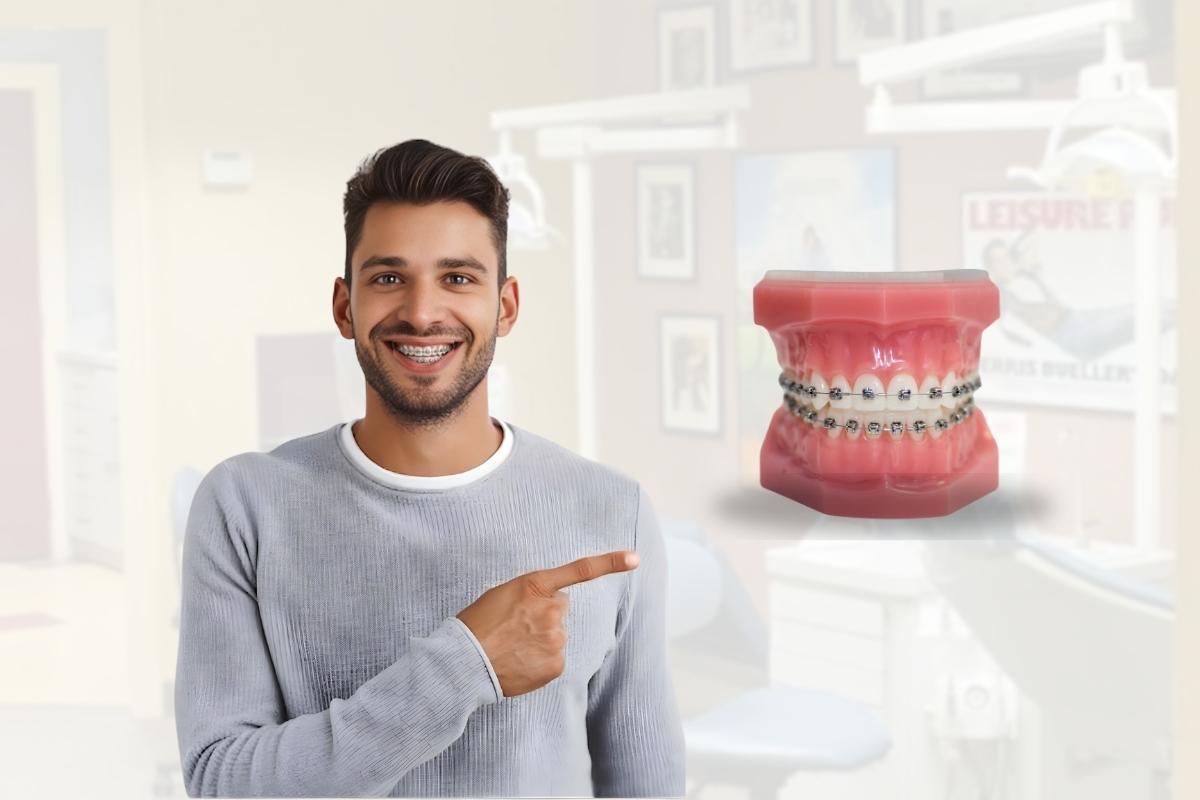
1. Traditional Braces
Metal or ceramic braces remain the most reliable treatment for severe misalignments. They allow for precise control of tooth movement and are often used in combination with elastics or other appliances.
2. Clear Aligners (e.g., Invisalign®)
Clear aligners can be used for moderate bite correction, but complex cases may require attachments or additional components. They are removable and discreet, offering convenience and comfort.
3. Palatal Expanders
Used primarily in children and teens, palatal expanders help widen the upper jaw to correct crossbites and create space for crowded teeth.
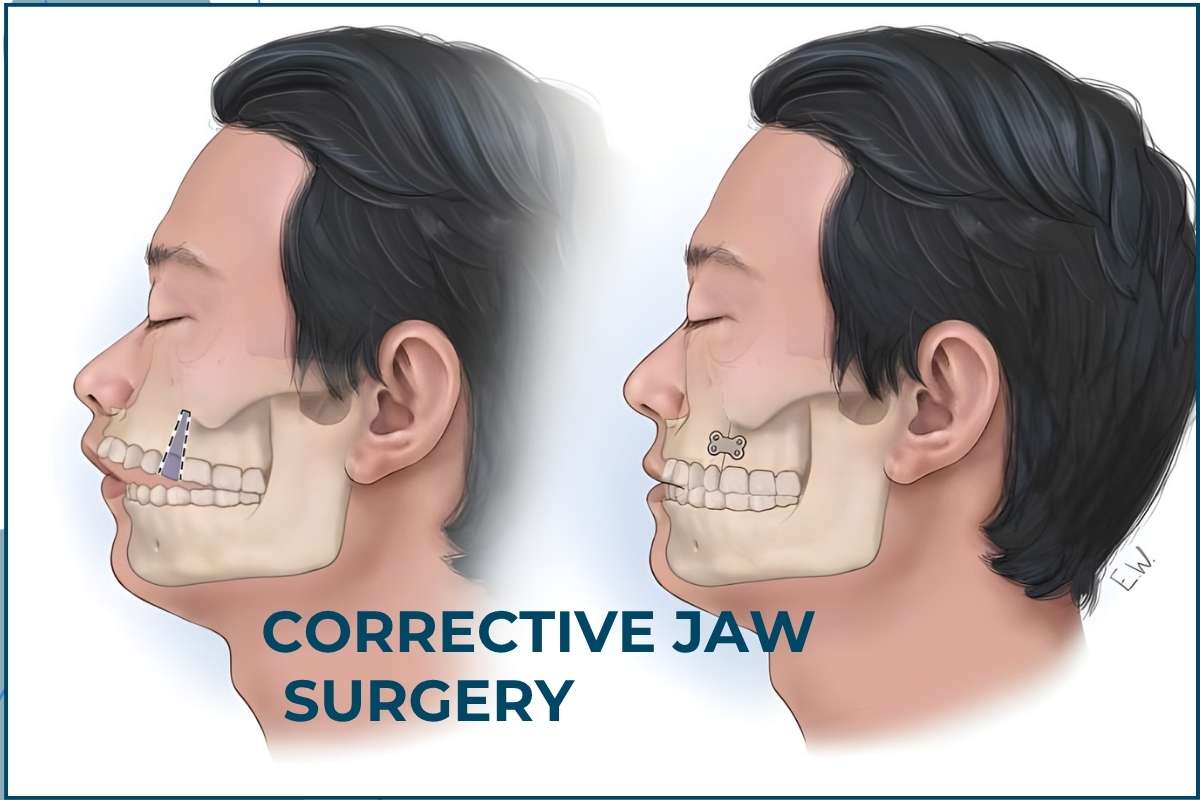
4. Orthognathic (Jaw) Surgery
In adults with severe skeletal discrepancies, surgery may be needed to realign the jaws. This is often combined with braces before and after the procedure to ensure optimal results.
5. Temporary Anchorage Devices (TADs)
TADs are mini-screws placed in the bone to provide a stable anchor point for moving teeth. They’re especially useful in cases where significant tooth movement is required without affecting other teeth.
What to Expect During Treatment
Complex orthodontic treatment may take longer—often 18 to 36 months—depending on the severity of the case. A comprehensive evaluation, including x-rays, 3D scans, and bite analysis, helps the orthodontist map out the best approach.
Regular appointments are essential to monitor progress, adjust appliances, and ensure the teeth and jaw are moving correctly. Collaboration with other dental specialists, such as oral surgeons or periodontists, may also be part of the treatment plan.
Correcting complex orthodontic issues requires more than just cosmetic alignment—it’s about achieving balance, function, and long-term oral health. Whether you’re facing an overbite, underbite, crossbite, or jaw misalignment, today’s advanced orthodontic techniques can provide effective and lasting results.
If you suspect a bite issue or have been told you need advanced orthodontic care, don’t delay. Book an appointment now to consult with an experienced orthodontist and take the first step toward a healthier, more functional smile.