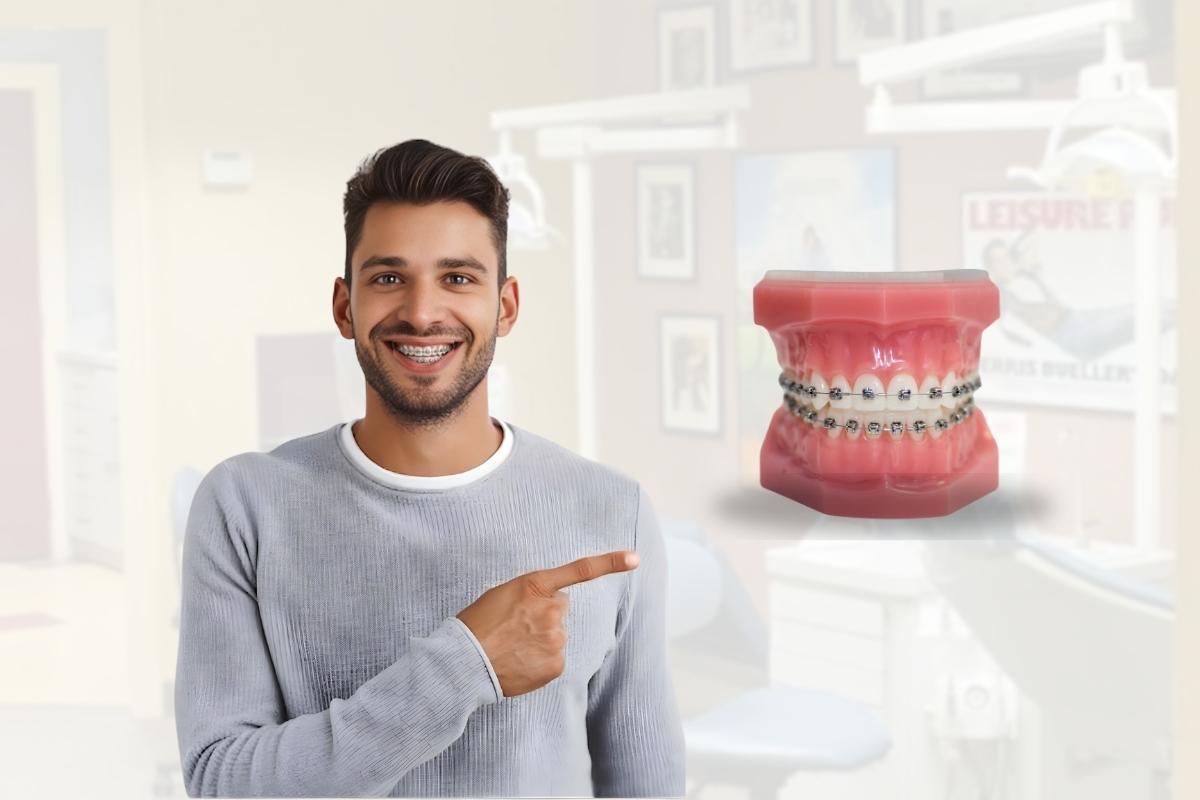
Traditional braces are an effective way to straighten teeth and improve your bite, but they require a little extra effort when it comes to oral care. Taking proper care of your braces not only ensures your treatment stays on track but also prevents issues like cavities, gum disease, and discoloration.
This blog provides essential tips and guidelines to help you maintain excellent oral hygiene and keep your braces in top condition.
Why Is Home Care Important for Braces?
Traditional braces consist of brackets, wires, and bands that create small spaces where food particles and plaque can accumulate. Without proper cleaning, this can lead to:
- Tooth decay and cavities.
- Gum inflammation (gingivitis).
- White spots (decalcification) on teeth.
- Lengthened treatment time due to damage or complications.
By following good home care habits, you can avoid these issues and achieve the best results from your orthodontic treatment.
Essential Home Care Tips for Traditional Braces
1. Brush Thoroughly and Frequently
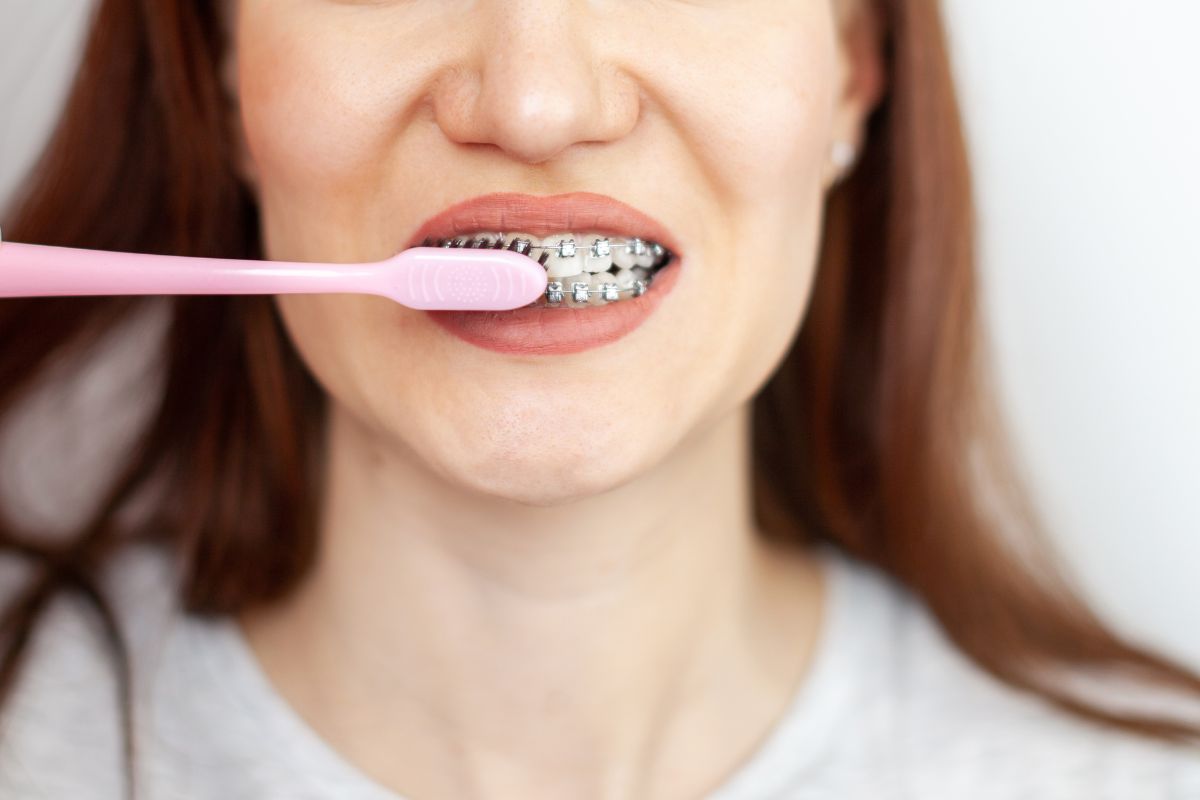
When wearing braces, brushing after every meal is crucial.
- How to Brush:
- Use a soft-bristled toothbrush or an orthodontic toothbrush designed for braces.
- Hold the toothbrush at a 45-degree angle to clean around the brackets and wires.
- Brush for at least 2 minutes, making sure to clean the outer, inner, and chewing surfaces of your teeth.
- Tip: Consider using an electric toothbrush with an orthodontic head for more effective cleaning.
2. Floss Every Day
Flossing with braces can be challenging but is essential to remove food and plaque from between your teeth.
- Tools to Use:
- Floss Threaders: These make it easier to guide floss under the wires.
- Orthodontic Floss: Pre-threaded floss with stiff ends simplifies the process.
- Water Flosser: An effective and convenient alternative to traditional flossing.
- Why It Matters: Regular flossing prevents gum disease and cavities in hard-to-reach areas.
3. Use Interdental Brushes
Interdental brushes are small, bristle-tipped tools designed to clean around brackets and under wires.
- How to Use: Insert the brush gently between the braces and your teeth to remove debris.
- Tip: Keep a travel-size interdental brush in your bag for quick cleanups after meals.
4. Avoid Sticky and Hard Foods
Certain foods can damage your braces or make cleaning more difficult.
- Foods to Avoid:
- Sticky: Chewing gum, caramel, and toffee.
- Hard: Popcorn, nuts, and hard candies.
- Crunchy: Raw carrots, apples (cut them into small pieces instead).
- Why It Matters: Avoiding these foods prevents breakage of brackets and wires, which can delay your treatment.
5. Rinse with Mouthwash
A fluoride mouthwash can help strengthen your teeth and reduce the risk of cavities.
- When to Use: After brushing and flossing, rinse with an alcohol-free, fluoride-containing mouthwash.
- Tip: Rinsing also helps to dislodge any particles missed during brushing or flossing.
6. Protect Your Braces During Sports
If you participate in sports, a mouthguard is essential to protect your teeth and braces from injury.
- Recommendation: Use an orthodontic mouthguard designed to fit comfortably over braces.
- Why It Matters: It reduces the risk of broken brackets, wires, or damage to your teeth.
7. Regularly Check Your Braces
Take a few minutes each day to inspect your braces for loose wires, broken brackets, or any sharp edges causing discomfort.
- What to Do If You Notice an Issue:
- Use orthodontic wax to cover sharp edges temporarily.
- Contact your orthodontist to schedule a repair appointment.
8. Stay Consistent with Orthodontic Appointments
Regular checkups allow your orthodontist to monitor your progress, adjust your braces, and address any issues.
- How Often to Visit: Most patients need appointments every 4-8 weeks, but your orthodontist will set a schedule tailored to your needs.
- Why It Matters: Skipping appointments can delay your treatment and compromise results.
Bonus Tips for Comfort and Care
Use Orthodontic Wax
Orthodontic wax can be applied to brackets or wires that irritate your cheeks or gums.
Stay Hydrated
Drinking water helps wash away food particles and bacteria while keeping your mouth hydrated.
Be Patient
Adjusting to braces can take time, but staying consistent with your home care routine will make the process smoother and more effective.
Orthodontic treatment is a commitment, but with proper home care, you can keep your teeth and braces clean, healthy, and on track. Developing good habits and avoiding damaging behaviors will ensure a successful and smooth treatment journey.
If you have any concerns or questions about your braces, don’t hesitate to contact your orthodontist. With your dedication and their guidance, you’ll achieve the beautiful, healthy smile you’ve always wanted!