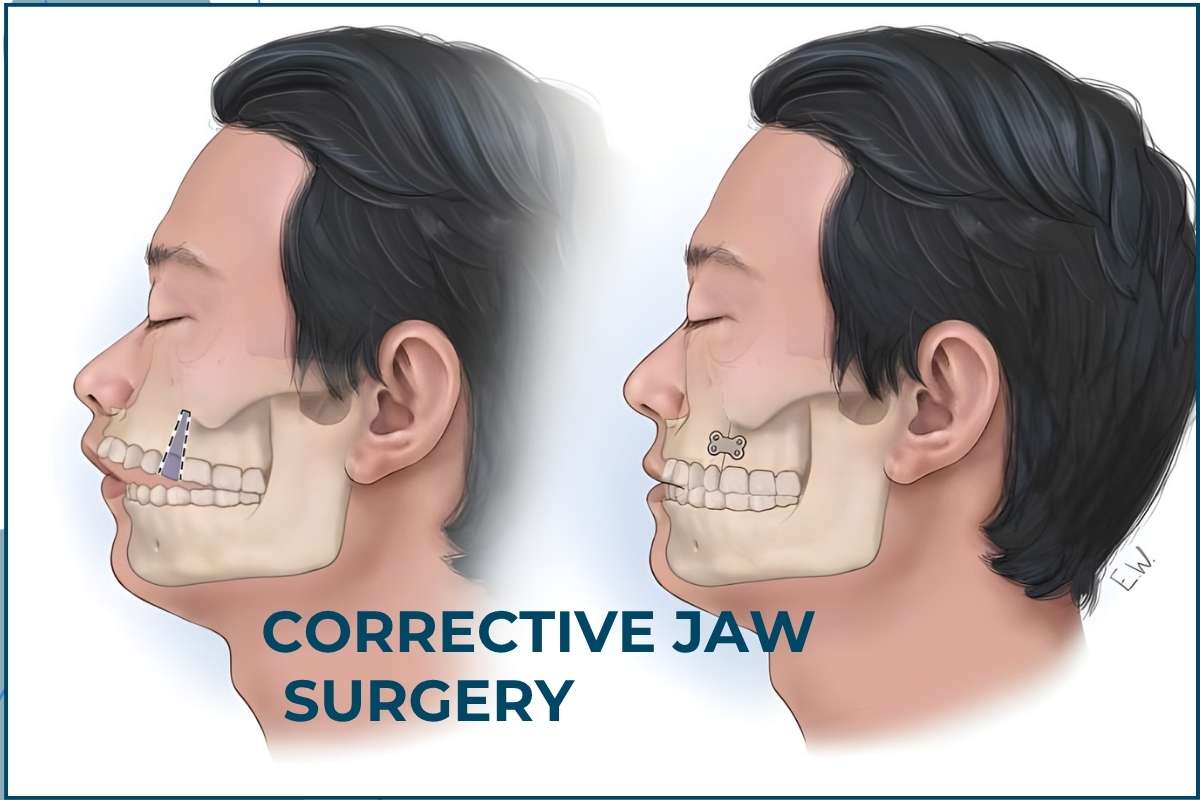
When your child’s smile starts to develop, you expect baby teeth to fall out and permanent teeth to come in smoothly. But sometimes, an unexpected issue can arise—an extra tooth growing in the upper jaw, known as a mesiodens.
This condition can disrupt normal dental development and, if left untreated, may lead to alignment problems, delayed eruption, or even impacted teeth.
If you’re a parent in Joliet, IL, understanding mesiodens early can help you take timely action and protect your child’s smile.
What Is a Mesiodens?
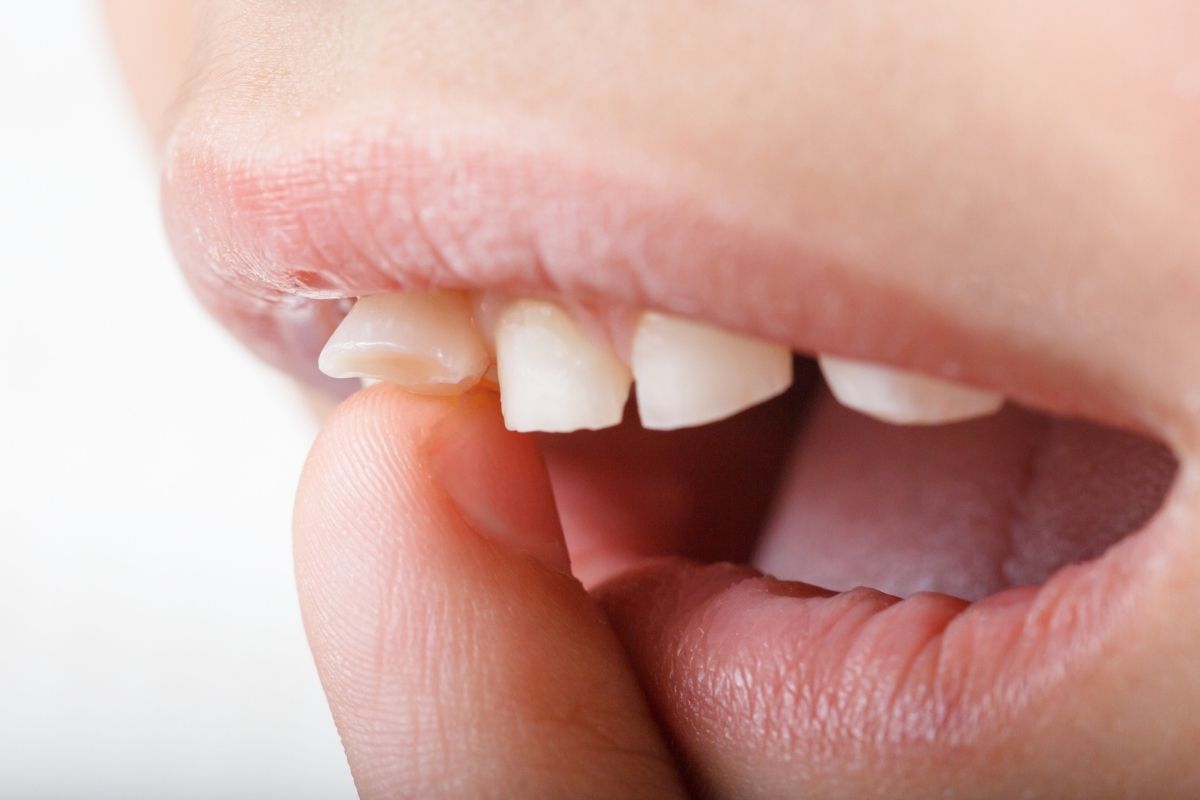
A mesiodens is a type of supernumerary tooth—an extra tooth that forms in addition to the normal set. It typically appears between the two upper front teeth (central incisors) in the upper jaw.
Most mesiodens are:
- Small and peg-shaped
- Positioned behind or between front teeth
- Impacted (stuck beneath the gums)
Although it may seem harmless at first, this extra tooth can significantly affect how your child’s permanent teeth grow.
What Does a Mesiodens Do? Look like?
A mesiodens may be
- Clearly visible between the front teeth
- Slightly behind the front teeth
- Completely hidden and only detectable via X-rays
In many cases, parents first notice something unusual when their child’s permanent teeth don’t come in as expected.
What Causes a Mesiodens?
The exact cause isn’t always clear, but several factors may contribute:
1. Genetic Influence
Mesiodens can run in families, meaning your child may inherit the condition.
2. Developmental Disturbances
Irregular activity in the dental lamina (the tissue that forms teeth) may lead to extra tooth formation.
3. Associated Conditions
Though rare, mesiodens may be linked to certain syndromes or developmental conditions.
Signs Your Child May Have a Mesiodens
Recognizing early warning signs can help you act before complications arise.
Common Symptoms Include the Following:
- Delayed eruption of permanent front teeth
- A visible extra tooth in the gum line
- Gaps or spacing between front teeth
- Crowding or misalignment
- Rotation or displacement of adjacent teeth
How Mesiodens Affects Your Child’s Oral Health
If untreated, a mesiodens can lead to several dental issues:
1. Delayed or Blocked Tooth Eruption
The extra tooth may prevent permanent teeth from emerging properly.
2. Misalignment and Crowding
It can push nearby teeth out of position, leading to crooked smiles.
3. Orthodontic Complications
Your child may need more extensive orthodontic treatment later.
4. Cyst Formation (Rare)
In some cases, cysts may develop around impacted teeth.
How Is a Mesiodens Diagnosed?
Diagnosis typically involves:
- Clinical examination by a dentist or orthodontist
- Digital X-rays or 3D imaging to locate the extra tooth
- Monitoring tooth eruption patterns
Early diagnosis—often between ages 6 and 9—can prevent more complex issues down the road.
Treatment Options for Mesiodens
Treatment depends on the tooth’s position, your child’s age, and whether it’s causing problems.
1. Monitoring (In Mild Cases)
If the mesiodens isn’t affecting other teeth, your orthodontist may simply monitor it.
2. Surgical Removal (Most Common)
If the extra tooth interferes with normal development, it is usually removed.
When is removal recommended?
- Permanent teeth are delayed
- There’s visible misalignment
- The mesiodens is impacted
3. Orthodontic Treatment
After removal, braces or aligners may be needed to guide teeth into proper alignment.
What to Expect During Mesiodens Removal
Parents often worry about surgical procedures, but mesiodens removal is generally safe and routine.
The Process:
- Local anesthesia (or sedation if needed)
- Small incision (if the tooth is impacted)
- Careful removal of the extra tooth
- Minimal stitches (if necessary)
Recovery:
- Mild swelling or discomfort for a few days
- Soft foods recommended
- Quick healing in most children
When Should You See an Orthodontist?
You should schedule a visit if:
- Your child’s front teeth aren’t coming in on time
- You notice an extra tooth
- There are visible alignment issues
- Your child complains of discomfort
Early orthodontic evaluation helps avoid complex treatments later.
Why Early Treatment Matters
Addressing mesiodens early can:
- Prevent long-term orthodontic problems
- Ensure proper tooth eruption
- Reduce treatment time and costs
- Support a healthy, confident smile
Delaying treatment can make correction more complicated and costly.
Mesiodens and Orthodontic Care in Joliet, IL
If you’re in Joliet, IL, getting specialized orthodontic care ensures your child receives the right diagnosis and treatment plan.
At RRC Orthodontics, your child’s smile is carefully evaluated using advanced imaging and personalized care strategies. Whether it’s monitoring, removal, or post-treatment alignment, expert care makes all the difference.
Protect Your Child’s Smile Early
A mesiodens may seem like a small issue, but it can have a big impact on your child’s dental development. The good news? With early detection and proper treatment, your child can enjoy a healthy, well-aligned smile for years to come.
Schedule your appointment today with RRC Orthodontics at 227 N Hammes Ave, Joliet, IL 60435, United States, and take the first step toward protecting your child’s smile with expert orthodontic care.
FAQs
1. Is a mesiodens common in children?
Mesiodens is relatively uncommon but is the most frequent type of supernumerary tooth in children.
2. At what age is mesiodens usually diagnosed?
It’s often diagnosed between ages 6 and 9 when permanent front teeth begin to erupt.
3. Does a mesiodens always need to be removed?
Not always. If it doesn’t affect other teeth, it may be monitored. However, most cases require removal.
4. Is mesiodens removal painful for children?
The procedure is typically done under anesthesia, so your child won’t feel pain during the process. Recovery is usually mild.
5. Will my child need braces after mesiodens removal?
In many cases, yes. Orthodontic treatment helps align teeth properly after removal.