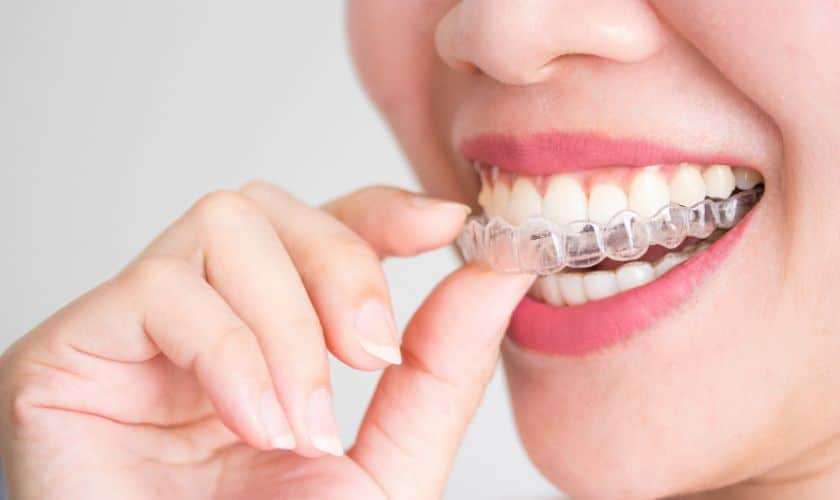
Clear aligners have transformed the world of orthodontics, offering an alternative to traditional braces that is discreet, comfortable, and convenient. Invisalign is the most well-known name in this space, but many other clear aligner options have entered the market, promising similar results. Deciding between Invisalign and other clear aligners involves understanding the advantages and differences of each option. In this blog, we’ll cover the key factors to help you choose the best aligner for your needs.
Understanding Invisalign and Clear Aligners
Invisalign is a brand that pioneered the clear aligner movement, using a system of customized trays that fit snugly over the teeth to gradually shift them into alignment. Invisalign is known for its innovation, and it provides in-person, orthodontist-supervised care for a personalized treatment experience.
Clear aligners are now available from multiple brands besides Invisalign, including popular options like ClearCorrect, SmileDirectClub, and Candid. These companies offer similar clear, removable trays, but the treatment plans, levels of supervision, and customization may vary, impacting the experience and final results.
Pros and Cons of Invisalign
Advantages of Invisalign
- Established Reputation and Innovation
- Invisalign has been in the market for over two decades and has refined its technology and materials to offer effective, reliable results. Their SmartTrack material is designed to be durable and comfortable, allowing for predictable, precise movements.
- Orthodontist Supervision
- Invisalign treatment typically involves regular check-ins with an orthodontist, ensuring consistent, expert supervision. Adjustments can be made as needed, reducing the chances of treatment complications.
- Treats Complex Cases
- Invisalign is effective for a wide range of orthodontic issues, including complex cases such as severe crowding, overbites, and underbites. Many clear aligners are better suited for mild to moderate cases, so for advanced adjustments, Invisalign is often recommended.
- Customizable with Attachments
- Invisalign can include attachments or buttons, small tooth-colored additions placed on teeth to help move them more effectively. This makes it more adaptable for treating complex orthodontic cases.
Drawbacks of Invisalign
- Higher Cost
- Invisalign treatment is usually more expensive than other clear aligners, costing between $3,000 and $8,000. The cost varies based on case complexity and the orthodontist’s expertise.
- In-Person Appointments Required
- Although this may be a positive aspect for many patients, the requirement for regular in-person visits can be inconvenient for those with busy schedules or those who prefer a fully remote solution.
Pros and Cons of Other Clear Aligners
Advantages of Clear Aligner Alternatives
- Lower Cost
- Many clear aligner alternatives, especially direct-to-consumer options, are more budget-friendly. These treatments typically cost between $1,200 and $3,500, making them accessible for those seeking affordable orthodontic care.
- Remote Treatment Options
- Companies like SmileDirectClub and Candid offer remote monitoring options, allowing patients to complete treatment without regular in-office visits. This approach can be convenient for people in rural areas or those who want to avoid the time commitment of in-person visits.
- Quicker Treatment for Mild Cases
- Direct-to-consumer clear aligners are generally best for mild cases, and because of this, treatment time may be shorter, often lasting between four to twelve months, depending on individual needs.
Drawbacks of Clear Aligner Alternatives
- Limited Treatment Scope
- Many alternative clear aligners are designed for mild to moderate cases of misalignment. If you have more complex issues such as severe crowding or bite problems, these alternatives may not be effective.
- Less Professional Oversight
- Most clear aligner alternatives provide limited or virtual orthodontic oversight rather than regular in-person visits. While virtual monitoring can work for simpler cases, it may result in complications or prolonged treatment if adjustments are needed.
- Variable Material Quality
- Not all brands use materials like Invisalign’s SmartTrack, which is highly durable and comfortable. This difference can affect the aligners’ durability and overall comfort during wear.
Comparing Invisalign and Clear Aligner Alternatives
| Feature | Invisalign | Clear Aligner Alternatives |
|---|---|---|
| Cost | $3,000 – $8,000 | $1,200 – $3,500 |
| Treatment Scope | Mild to complex cases | Typically mild to moderate cases |
| Supervision | In-person orthodontist check-ins | Virtual or limited in-person check-ins |
| Treatment Time | 6 to 18 months | 4 to 12 months (case-dependent) |
| Material Quality | SmartTrack material | Varies by brand |
| Convenience | Requires regular visits | Remote or minimal visits |
Factors to Consider When Choosing Between Invisalign and Other Clear Aligners
1. Complexity of Your Case
- Invisalign is often better suited for complex orthodontic issues, such as severe crowding, crossbites, overbites, and underbites. For more straightforward cases, other clear aligner options may be equally effective and more affordable.
2. Budget
- If cost is a major factor, alternative clear aligners can be an affordable option. Many brands offer financing plans, making treatment more manageable, but remember that lower-cost options might come with limitations in the scope of treatment and supervision.
3. Level of Supervision You Prefer
- Invisalign’s in-person visits with an orthodontist provide ongoing guidance, helping address issues that arise. If you’re comfortable with virtual check-ins and have a straightforward case, other brands may work just as well.
4. Convenience
- Alternative clear aligner companies with remote monitoring can save time and travel for those with busy schedules. Invisalign, however, provides an extra layer of monitoring and flexibility, which can be helpful if adjustments are necessary.
5. Treatment Speed
- For mild cases, clear aligner alternatives may offer a shorter treatment time. However, keep in mind that rushing treatment can impact results, so ensure that the timeline aligns with safe, effective progress.
Choosing the Right Option: Key Takeaways
- For Complex Cases: Invisalign is recommended due to its effectiveness in addressing a broad range of orthodontic issues with more hands-on professional supervision.
- For Mild to Moderate Cases: Clear aligner alternatives are often suitable and provide a budget-friendly option for simpler alignment issues. Brands that offer virtual check-ins can also be a good option if in-person visits are not a priority.
- If Budget and Convenience Matter: Alternative aligner brands are accessible, more affordable, and offer flexible remote treatment plans that work well for minor adjustments.
Both Invisalign and other clear aligner brands offer effective, convenient, and discreet options for orthodontic treatment. Your choice depends on your unique needs, the complexity of your case, your budget, and how much professional oversight you want. Consulting with an orthodontist for an initial evaluation is often the best way to determine which aligner type will work best for you. This initial step can clarify your specific needs and set you on the path toward a successful, confident smile.