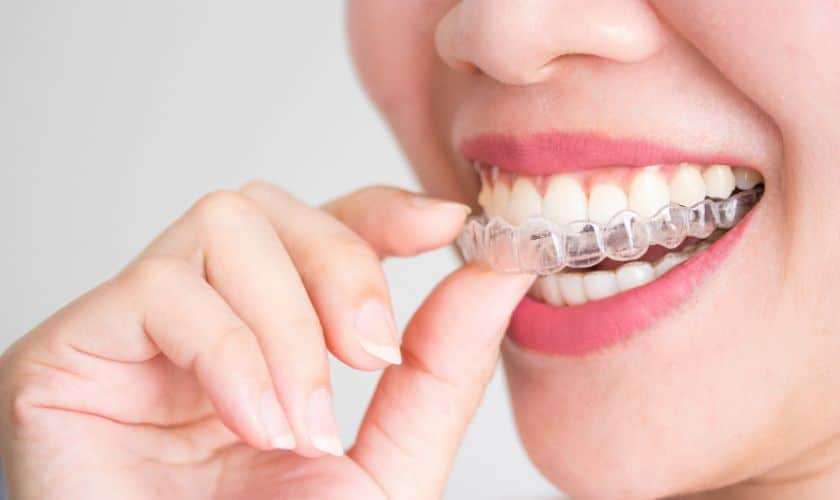
Invisalign has revolutionized orthodontic treatment by offering a discreet, comfortable, and effective way to straighten teeth. But like all dental treatments, it requires proper use and care. One concern that patients often raise is gum recession during or after Invisalign treatment. Gum recession not only affects the appearance of your smile but can also lead to tooth sensitivity and other oral health issues if left unchecked.
In this comprehensive guide, we’ll explore what causes gum recession, how Invisalign may play a role, and—most importantly—how to avoid gum recession while undergoing Invisalign treatment.
What Is Gum Recession?
Gum recession occurs when the gum tissue that surrounds the teeth pulls back, exposing more of the tooth or its root. This can create gaps or “pockets” between the teeth and gums where harmful bacteria can accumulate. If left untreated, gum recession can lead to:
- Tooth sensitivity
- Increased risk of decay and infection
- Loose teeth
- Tooth loss in severe cases
Several factors contribute to gum recession, including poor oral hygiene, aggressive brushing, periodontal disease, genetics, and misaligned teeth.
Does Invisalign Cause Gum Recession?
Invisalign itself does not directly cause gum recession. However, improper use or poor oral hygiene during treatment can increase the risk. Invisalign aligners are removable, which gives patients an advantage when it comes to maintaining gum health—but this also means that user compliance and dental habits play a crucial role.
Gum recession during Invisalign can be caused by:
- Pre-existing gum disease before starting treatment
- Forcing aligners in place when they don’t fit correctly
- Neglecting oral hygiene with aligners in
- Rapid tooth movement that strains the supporting structures
- Poorly fitted aligners or incorrect wear patterns
How to Prevent Gum Recession During Invisalign Treatment
1. Start With a Healthy Foundation
Before beginning Invisalign, your dentist or orthodontist should evaluate your gum health. If you have gingivitis or periodontitis, it’s essential to treat these conditions first.
- Deep cleaning or scaling and root planing may be necessary
- Maintain routine dental visits for exams and cleanings
- Discuss any history of gum issues with your provider
A healthy baseline reduces the chances of complications like gum recession later on.
2. Maintain Impeccable Oral Hygiene
Oral hygiene is critical when wearing aligners. Bacteria can get trapped between the aligner and your teeth, leading to inflammation and gum disease—both risk factors for gum recession.
Tips for good oral hygiene during Invisalign:
- Brush at least twice daily with a soft-bristled toothbrush
- Use fluoride toothpaste to strengthen enamel
- Floss at least once a day to remove plaque between teeth
- Use an antimicrobial mouthwash if recommended
- Clean aligners thoroughly before reinserting them
Remember to brush after meals and snacks before putting your aligners back in. Even small food particles can lead to plaque buildup and gum irritation.
3. Avoid Forcing Aligners
When switching to a new set of aligners, they may feel tight—but never force them into place. Forcing aligners can place undue pressure on your teeth and gums, potentially harming the periodontal ligament and contributing to gum recession.
Instead:
- Gently guide them into place
- Use chewies to help seat aligners properly
- Contact your provider if an aligner doesn’t fit comfortably or feels painful
Properly fitted aligners will help shift teeth gradually without damaging supporting tissues.
4. Follow the Recommended Wear Schedule
Wearing your Invisalign aligners for the recommended 20–22 hours per day ensures that your treatment progresses as planned. Skipping wear time or extending treatment without supervision can lead to unexpected pressure or movement, potentially straining the gums.
Stick to your treatment schedule and always consult your orthodontist if you’re unsure about timing or aligner fit.
5. Don’t Skip Check-Ups
Regular orthodontic appointments are not optional—they’re essential to monitor the health of your teeth and gums. Your orthodontist will track your progress and spot early signs of gum irritation or recession.
- Attend all scheduled Invisalign check-ins
- Report any gum discomfort, swelling, or sensitivity
- Ask your provider to examine gum health during each visit
Catching issues early helps ensure minor gum inflammation doesn’t turn into a more serious condition.
6. Eat a Gum-Friendly Diet
Nutrition plays a big role in gum health. Even though Invisalign allows you to remove aligners to eat, what you consume still impacts your gums.
Foods to favor for healthy gums:
- Leafy greens (high in vitamin C and folic acid)
- Dairy products (rich in calcium and casein)
- Crunchy fruits and vegetables (help clean teeth naturally)
- Fatty fish (anti-inflammatory omega-3s)
Avoid sugary, sticky snacks that can cling to teeth and cause plaque buildup. And stay hydrated—dry mouth can accelerate gum issues.
7. Use a Soft-Bristled Toothbrush
Many people unknowingly contribute to gum recession by brushing too aggressively. Combine that with frequent brushing during Invisalign, and it becomes a risk factor.
Choose a soft-bristled or electric toothbrush with pressure sensors to avoid overbrushing. Brush gently in a circular motion and focus on the gum line without scrubbing it.
8. Monitor and Manage Bruxism (Teeth Grinding)
Invisalign can sometimes serve as a guard for mild teeth grinding, but it’s important to let your provider know if you have bruxism. Chronic grinding or clenching can damage the gums and supporting structures over time.
If necessary, your orthodontist may recommend an additional nighttime guard or adjust your treatment plan accordingly.
9. Stay Informed and Ask Questions
Knowledge is one of your best defenses against gum recession. Ask your orthodontist:
- Are my gums in good condition for Invisalign?
- How will you monitor gum health throughout treatment?
- What signs of gum problems should I watch for?
- Is my treatment plan designed to avoid aggressive tooth movements?
The more informed you are, the better decisions you’ll make throughout your Invisalign journey.
Warning Signs of Gum Recession During Invisalign
Keep an eye out for these early indicators of gum recession:
- Tooth sensitivity (especially to hot or cold)
- Longer-looking teeth
- Notches at the gum line
- Red, swollen, or bleeding gums
- Loose teeth or shifting bite
If you notice any of these signs, contact your dental provider immediately. Prompt intervention can prevent long-term damage.
Invisalign and Gum Health Can Coexist
Invisalign is a safe and effective treatment for straightening teeth when managed correctly. Gum recession is not guaranteed, but it can happen if you neglect oral hygiene, force aligners, or ignore pre-existing gum issues.
By working closely with your dental provider, keeping up with your oral care, and following the tips in this guide, you can enjoy a straighter smile and healthy gums at the same time.
Don’t wait until issues arise—prevent gum recession before it starts.
Request an appointment now to ensure your Invisalign journey begins with a healthy foundation and ends with a confident, beautiful smile.