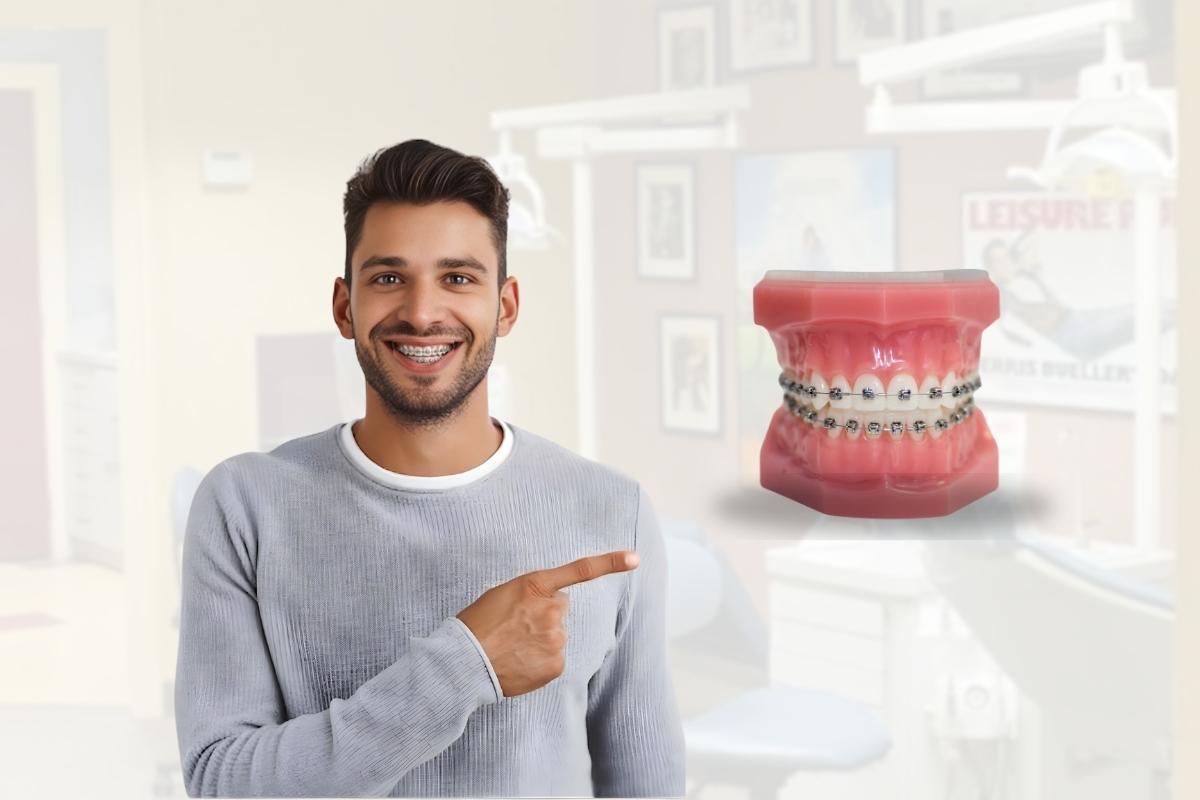
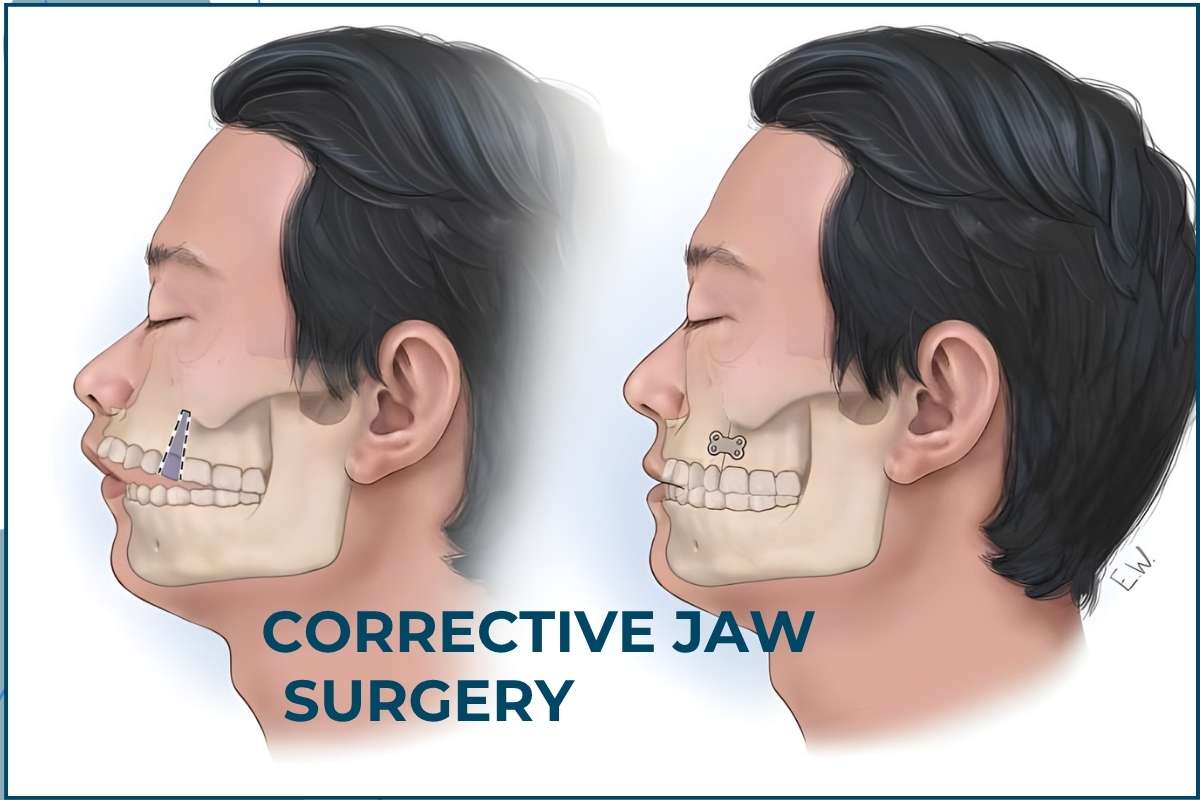
Having straight teeth is not just about aesthetics; it also plays a crucial role in maintaining good oral health. While braces and aligners are the most effective ways to correct misalignment, some individuals prefer to explore natural methods before opting for orthodontic treatment. While it’s important to note that significant dental misalignment typically requires professional intervention, minor adjustments may be possible through consistent natural approaches.
In this blog, we’ll explore natural ways to improve the alignment of your teeth at home, their effectiveness, and when you should seek professional care.
Understanding Teeth Misalignment
Teeth misalignment, or malocclusion, can result from genetic factors, childhood habits (like thumbsucking), or natural shifts in teeth over time. Common issues include crowding, gaps, overbites, underbites, and crooked teeth. While natural methods may not provide dramatic changes like braces, they can support oral health and encourage minor improvements.
Natural Methods to Straighten Teeth at Home
1. Tongue Posture and Proper Swallowing (Mewing)
Mewing is a technique that involves correct tongue posture to encourage proper jaw development and teeth alignment.
- Keep the entire tongue pressed against the roof of your mouth (not just the tip).
- Maintain closed lips and breathe through your nose.
- Avoid resting your tongue against your teeth.
Over time, proper tongue posture may help guide teeth into a better position, particularly in younger individuals whose jaws are still developing.
2. Oral Exercises to Improve Alignment
Certain oral exercises can strengthen jaw muscles and potentially help with minor misalignment.
- Chin tucks: Pull your chin back to create a double chin and hold for a few seconds.
- Chewing exercises: Chewing firm foods (like apples or carrots) evenly on both sides of the mouth may encourage balanced jaw movement.
- Thumb pressure technique: Gently press misaligned teeth with your thumb for a few minutes daily (do not apply excessive force).
3. Eliminating Bad Oral Habits
Some habits can contribute to misalignment. Avoid:
- Thumb sucking or prolonged pacifier use (in children)
- Nail biting or pen chewing
- Resting your face on your hands (which can put pressure on the jaw)
- Sleeping on one side with excessive jaw pressure
4. Wearing a Teeth Positioning Device (DIY Retainers)
While at-home retainers may not be as effective as orthodontic devices, certain removable retainers can help prevent teeth from shifting further.
- Custom-fit retainers: If you’ve had orthodontic treatment before, wearing a professionally made retainer can help maintain alignment.
- Nightguards: If you grind your teeth at night, using a nightguard can prevent teeth from shifting.
5. Maintaining Proper Oral Posture (Myofunctional Therapy)
Myofunctional therapy involves exercises that strengthen tongue and facial muscles to encourage better oral posture.
- Close lips when not talking or eating.
- Keep your tongue at the roof of your mouth.
- Ensure balanced muscle use when chewing.
6. Using Clear Aligners (Home-Based Orthodontic Solutions)
While not entirely “natural,” clear aligners offer a non-braces alternative. Brands like Invisalign and other direct-to-consumer aligners can gradually move teeth into place without the need for metal brackets. However, it is best to consult a professional before using these options.
7. Eating a Balanced Diet for Strong Teeth
Your diet plays a role in maintaining strong and healthy teeth. Eating nutrient-rich foods helps with dental development and may support proper jaw growth.
- Calcium-rich foods: dairy products, leafy greens, and almonds strengthen teeth.
- Vitamins D: help with calcium absorption (sunlight exposure and fatty fish are great sources).
- Vitamin K2: Found in fermented foods, K2 supports bone health and jaw structure.
- Crunchy vegetables: Eating raw carrots, celery, and apples can naturally clean teeth and improve jaw strength.
8. Using Dental Spacers for Minor Adjustments
In some cases, minor gaps can be improved with small orthodontic spacers. While not a DIY solution, some dental professionals offer these as a low-cost alternative to full braces.
9. Practicing Good Oral Hygiene
Keeping your teeth healthy can prevent further misalignment.
- Brush twice a day with fluoride toothpaste.
- Floss daily to prevent gum issues that can contribute to shifting teeth.
- Visit a dentist regularly to monitor any changes in alignment.
What Natural Methods Can and Cannot Do
What They Can Do:
✅ Improve jaw posture and oral habits; ✅ Prevent further misalignment; ✅ Support minor improvements in alignment (especially in children)
What They Cannot Do:
❌ Fix severe crowding or gaps ❌ Correct bite issues like overbites or crossbites ❌ Provide rapid or dramatic results
When to See a Dentist or Orthodontist
If your teeth alignment issues are causing pain, difficulty chewing, or affecting your confidence, it’s essential to consult a dental professional. Braces, aligners, or other orthodontic solutions may be necessary for significant corrections.
While natural methods can help with minor improvements, they are not a replacement for orthodontic treatment. Proper oral posture, myofunctional therapy, and eliminating harmful habits can support overall dental health. If you want a noticeable change in teeth alignment, professional guidance remains the best option.
If you’re considering orthodontic treatment, schedule a consultation today with a dentist or orthodontist to explore the best options for your smile!