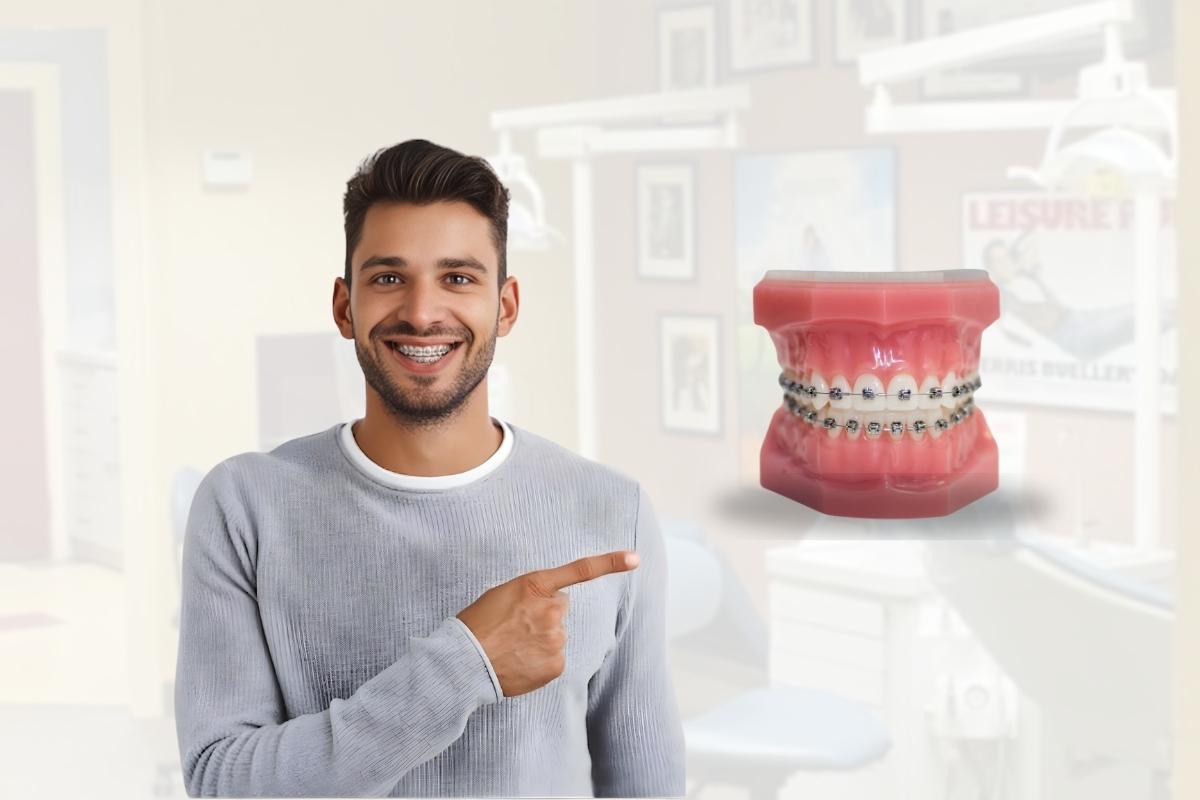
You’ve invested time, effort, and care into achieving a straight, beautiful smile through braces or Invisalign. But the journey doesn’t end the day your orthodontic treatment concludes. In fact, maintaining your new smile requires consistent care and attention—especially in the months and years after your braces come off or you complete your final set of aligners.
Without proper maintenance, teeth can gradually shift back to their original positions, a process known as orthodontic relapse. Fortunately, with the right strategies, you can keep your smile straight and stunning for a lifetime.
In this blog, we’ll cover everything you need to know about how to maintain a straight smile after braces or Invisalign, including key habits, retainer care, lifestyle choices, and when to seek professional help.
Why Teeth Shift After Orthodontic Treatment
Even after successful orthodontic treatment, your teeth can still move over time. This is due to several natural and behavioral factors:
- Ligament memory: The periodontal ligaments that hold your teeth in place have elastic memory and may try to revert to their previous positions.
- Jaw growth: Your jaw continues to develop even after adolescence, potentially altering alignment.
- Tooth loss or decay: Losing a tooth can cause nearby teeth to shift.
- Grinding or clenching: These habits (known as bruxism) can exert pressure and cause movement.
- Poor oral hygiene or gum disease: These conditions can weaken the supporting structures of your teeth.
That’s why post-treatment maintenance is just as critical as the orthodontic process itself.
1. Wear Your Retainer as Directed
The single most important step in maintaining your straight smile is wearing your retainer. Whether you had metal braces or Invisalign, your orthodontist will provide a custom retainer to hold your teeth in place after treatment.
Types of Retainers:
- Removable retainers (Hawley or clear plastic): Easy to take out for cleaning or eating, but must be worn as directed.
- Fixed retainers: Bonded to the back of your teeth (usually the lower front) for long-term support.
Retainer Guidelines:
- Wear your removable retainer full-time (usually for the first few months) and then transition to nightly wear as advised.
- Clean your retainer daily with lukewarm water and mild soap—avoid hot water which can warp the material.
- Store your retainer in a case when not in use to prevent damage or loss.
- Schedule regular orthodontic visits to check retainer fit and function.
Failing to wear your retainer—even for just a few nights—can lead to noticeable tooth movement, especially soon after your treatment ends.
2. Practice Excellent Oral Hygiene
Straight teeth are easier to clean, but that doesn’t mean you can slack on hygiene. Keeping your teeth and gums healthy is crucial for smile stability.
Best Practices for Oral Hygiene:
- Brush twice a day with fluoride toothpaste and a soft-bristle brush.
- Floss daily, especially between back teeth where plaque tends to build up.
- Use an antibacterial mouthwash to reduce bacteria and freshen breath.
- Consider investing in an electric toothbrush and interdental brushes for thorough cleaning.
When oral hygiene is neglected, gum inflammation and bone loss can compromise the support around your teeth, causing them to shift.
3. Protect Your Smile from Grinding or Clenching
If you grind or clench your teeth (especially at night), it can undo all the progress you made with braces or Invisalign. This habit puts excess pressure on teeth and can cause subtle—but significant—shifting over time.
How to Protect Against Bruxism:
- Wear a nightguard or custom mouthguard to protect your teeth while you sleep.
- Avoid chewing on hard objects (pens, ice, or fingernails).
- Reduce stress through exercise, meditation, or therapy—since anxiety often contributes to bruxism.
- Ask your dentist about Botox for managing severe clenching or TMJ-related symptoms.
4. Be Mindful of Diet and Lifestyle Choices
Certain foods and habits can impact the long-term alignment of your teeth. For instance, chewing hard or sticky foods, biting nails, or using teeth as tools can cause your teeth to shift or your retainer to break.
Tips for Smile-Friendly Habits:
- Avoid using your teeth to open packages or bite hard objects.
- Stick to a balanced diet rich in vitamins and minerals to support oral health.
- Limit sugary and acidic foods that promote tooth decay and erosion.
- Drink plenty of water to stay hydrated and maintain a healthy oral environment.
Even subtle habits, like biting straws or constant gum chewing, can put strain on your smile and cause micro-movements in the teeth over time.
5. Visit Your Dentist and Orthodontist Regularly
Routine checkups are essential to keep your straight smile in top shape. Your general dentist can monitor for cavities, gum disease, and bite issues, while your orthodontist ensures your retainer still fits properly and your teeth are stable.
Recommended Schedule:
- Dental cleanings every 6 months
- Orthodontic checkups once or twice a year, or as recommended
- Prompt appointments if you notice any shifting, discomfort, or changes in your bite
Professional oversight helps catch problems early—before they become major issues that require retreatment.
6. Replace or Repair Your Retainer as Needed
Retainers don’t last forever. Over time, they can wear out, crack, or become loose. If your retainer isn’t fitting snugly or has visible damage, contact your orthodontist right away.
Signs You May Need a New Retainer:
- It feels loose or falls out easily
- You notice your teeth shifting
- It’s visibly cracked, warped, or broken
- It causes discomfort or irritation
Wearing a faulty retainer is just as bad as not wearing one at all. Make it a habit to inspect your retainer regularly and don’t delay replacing it when needed.
7. Consider Periodic Refinements
In some cases, even with diligent care, your teeth may experience minor movements over the years. That’s completely normal. If you notice small changes in alignment, talk to your dentist about Invisalign refinements or orthodontic touch-ups.
These quick and non-invasive treatments can re-correct alignment issues before they worsen—saving you time and money in the long run.
8. Stay Committed to Your Smile Journey
Maintaining a straight smile isn’t a one-time task—it’s a lifelong commitment. But with consistent habits, routine care, and awareness of your dental health, you can enjoy the full benefits of your orthodontic treatment for decades to come.
Achieving a straight smile through braces or Invisalign is an important milestone—but the real key to long-lasting results lies in post-treatment care. From wearing your retainer and practicing good hygiene to protecting your teeth from grinding and attending regular checkups, every step plays a vital role in keeping your teeth aligned and healthy.
If you have questions about your retainer, notice tooth movement, or want expert guidance on preserving your straight smile, our team is here to help. Request an appointment now and let us support you in maintaining your beautiful, confident smile for life.