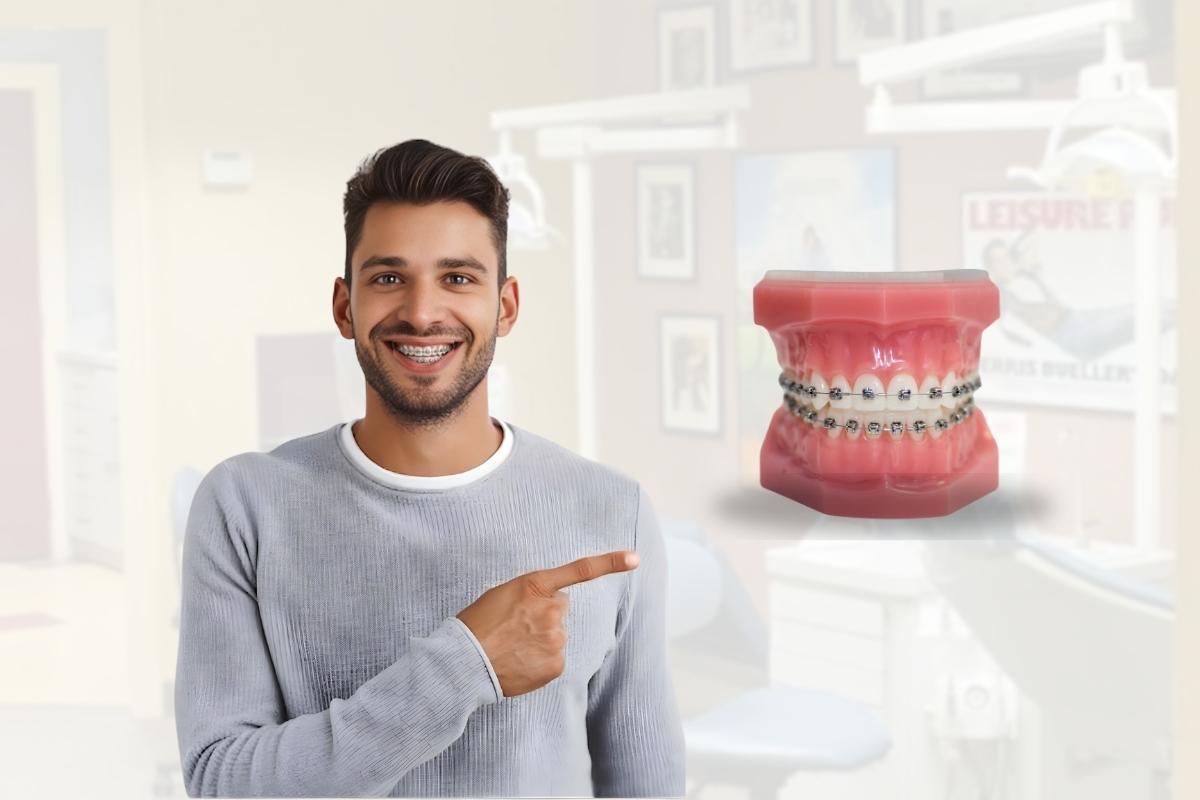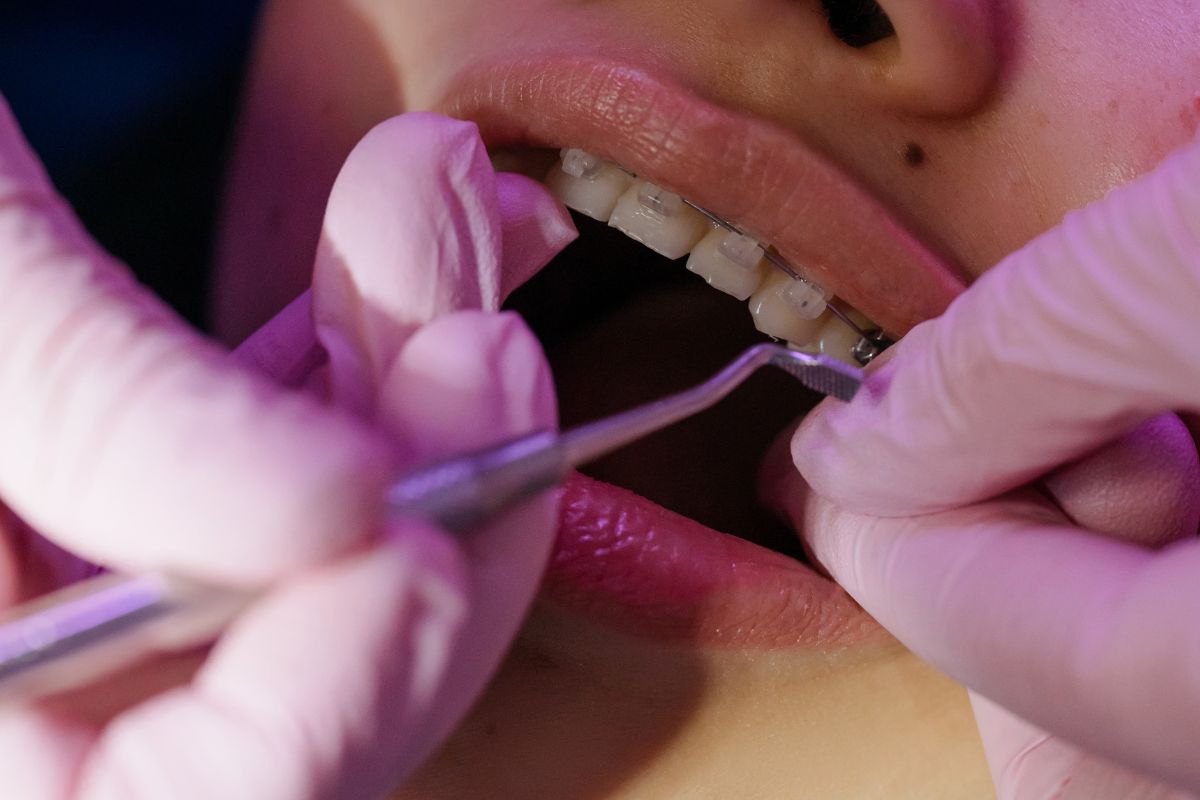
Braces are a transformative orthodontic solution, but they can sometimes come with unexpected challenges. While most issues with braces aren’t true emergencies, discomfort or damage can disrupt your day. Knowing how to address these situations can help you stay calm and ensure your treatment stays on track.
1. Common Braces Emergencies
Here are the most frequent issues braces wearers face:
- Broken Brackets: Brackets can break or detach from the tooth, often due to eating hard or sticky foods.
- Protruding or Broken Wires: Wires can bend or snap, causing discomfort or poking into the cheeks and gums.
- Loose Bands: Metal bands around molars may loosen over time.
- Irritated Soft Tissues: Braces can irritate the inside of your cheeks, lips, or tongue, especially early in treatment.
- Lost Elastic Ties: Small rubber bands or wires that secure the braces may come off.
2. Immediate Steps to Take for Each Situation
Broken Brackets
- If a bracket is loose but still attached to the wire, leave it in place and avoid touching it.
- Use orthodontic wax to cover the bracket and prevent irritation.
- If the bracket completely detaches, keep it in a safe place and bring it to your orthodontist at your next appointment.
Protruding or Broken Wires
- Use a clean pair of nail clippers or tweezers to gently push the wire back into place.
- If the wire is poking you, cover it with orthodontic wax or sugar-free gum until you can see your orthodontist.
- Never attempt to cut the wire yourself unless it’s causing severe discomfort and cannot be adjusted.
Loose Bands
- If a band around a molar comes loose, avoid chewing on that side until you can visit your orthodontist.
- Do not attempt to glue or fix the band yourself.
Irritated Soft Tissues
- Apply orthodontic wax to the braces’ sharp or irritating areas.
- Rinse your mouth with warm saltwater to soothe sore spots.
- Over-the-counter oral gels, such as those containing benzocaine, can help numb the discomfort.
Lost Elastic Ties
- Call your orthodontist to determine if you need a replacement immediately. Missing ties can slow your treatment progress.
3. When to Call Your Orthodontist
While many issues can be temporarily managed at home, you should contact your orthodontist if:
- A bracket or band is completely detached.
- A wire is broken or sticking out and cannot be repositioned.
- Pain persists even after taking steps to resolve the problem.
- You’ve lost multiple elastic ties.
4. Tips to Avoid Braces Emergencies
Prevention is key to reducing braces emergencies. Follow these tips:
- Avoid hard, sticky, or chewy foods like popcorn, caramel, and nuts.
- Wear a mouthguard during sports or physical activities.
- Brush and floss carefully to maintain oral hygiene and prevent plaque buildup.
- Attend regular orthodontic checkups to address any potential issues early.
5. Be Prepared: Your Braces Emergency Kit
Keep a small kit handy for quick fixes:
- Orthodontic wax
- Nail clippers or small scissors
- Tweezers
- Cotton swabs
- Salt (for saltwater rinses)
- Pain reliever (if needed)
Braces emergencies may feel daunting, but most issues can be managed with simple, at-home solutions until you can visit your orthodontist. Staying prepared, following your orthodontist’s guidelines, and maintaining good habits will help keep your treatment on track and ensure a smoother journey to your perfect smile.
For questions or concerns about your braces, don’t hesitate to reach out to your orthodontist—they’re there to help!