Gapped teeth, also known as diastema, can impact not only the aesthetics of your smile but also your oral health. Fortunately, orthodontics offers several effective solutions to close gaps and create a balanced, beautiful smile. Here are five orthodontic treatments to consider.
1. Traditional Metal Braces
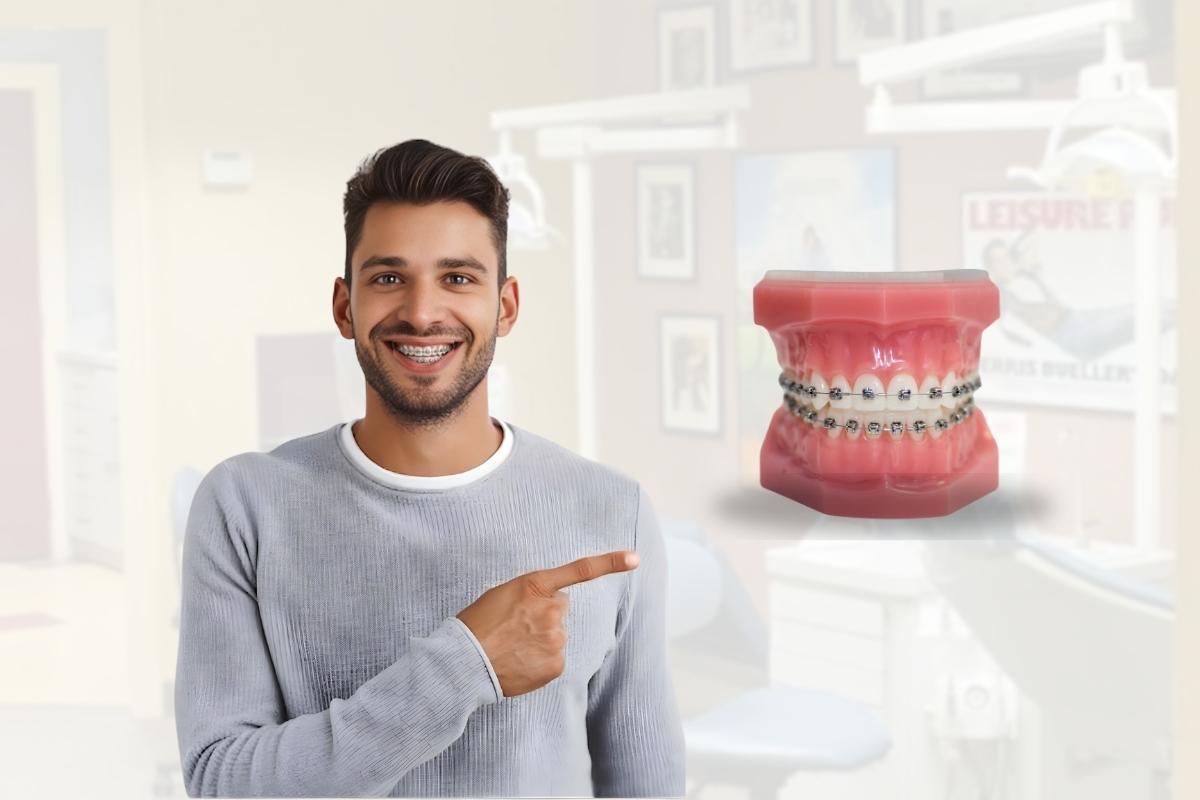
Traditional braces are a tried-and-true method for closing gaps and correcting misaligned teeth. This treatment involves metal brackets bonded to the teeth and connected by wires that are adjusted over time to move teeth into the desired position.
Benefits:
- Effective for gaps of all sizes and other alignment issues.
- Suitable for complex orthodontic needs.
Considerations:
- Highly visible, which may be a concern for some.
- Requires regular dental visits for adjustments.
2. Clear or Ceramic Braces
Clear or ceramic braces function similarly to metal braces but use tooth-colored or clear brackets, making them less noticeable. They’re an excellent choice for those seeking a more discreet option.
Benefits:
- Less noticeable than metal braces.
- Suitable for moderate to complex cases.
Considerations:
- Can be more expensive than traditional braces.
- Brackets may stain if not properly cared for.
3. Invisalign (Clear Aligners)
Invisalign uses a series of custom-made, clear plastic aligners to gradually close gaps. This treatment is highly popular for its convenience and discreet appearance.
Benefits:
- Virtually invisible and removable for eating and cleaning.
- Comfortable and less invasive than braces.
Considerations:
- Requires commitment to wearing aligners for 20-22 hours per day.
- May not be suitable for severe gaps or complex orthodontic issues.
4. Lingual Braces
Lingual braces are similar to traditional braces but are placed on the inner surfaces of the teeth, making them completely hidden from view. They’re a great option for those who want effective treatment without the appearance of braces.
Benefits:
- Completely invisible from the outside.
- Effective for closing gaps and correcting alignment.
Considerations:
- Can be more uncomfortable initially due to their placement.
- Higher cost compared to traditional braces.
5. Self-Ligating Braces
Self-ligating braces use a specialized clip instead of elastic bands to hold the wire in place. This design reduces friction and pressure on the teeth, making adjustments more comfortable and often speeding up treatment time.
Benefits:
- Fewer dental visits required for adjustments.
- Suitable for gaps and other orthodontic concerns.
Considerations:
- Still visible, though some brands offer ceramic options for a more discreet look.
- Costs can vary depending on the type.
Why Fix Gapped Teeth?
While gapped teeth are sometimes purely cosmetic, they can also lead to:
- Oral health issues: Gaps can trap food and increase the risk of gum disease and cavities.
- Speech difficulties: Gaps, especially in the front teeth, can affect pronunciation.
- Bite problems: Uneven spacing may lead to improper bite alignment.
If you’re considering fixing gapped teeth, consult an orthodontist in IL to determine the best treatment for your needs. With advanced imaging and customized plans, orthodontic solutions can give you the smile you’ve always wanted.
Closing gapped teeth with orthodontics not only enhances your appearance but also improves your oral health and confidence. Explore these options to find the solution that works best for you.