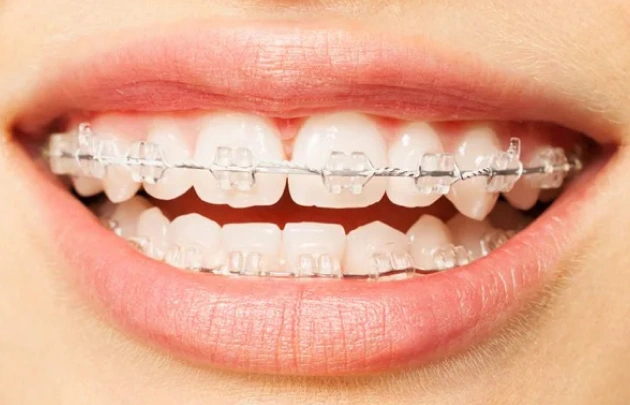
Wearing braces is an exciting step toward achieving a straighter, healthier smile. However, it also comes with unique challenges when it comes to maintaining oral hygiene. Braces can trap food particles and make it harder to reach certain areas of your teeth, increasing the risk of cavities, gum disease, and enamel staining if proper care isn’t taken. Understanding the best practices for oral care during orthodontic treatment is essential for ensuring that your smile not only looks great once the braces come off but also remains healthy throughout the process.
If you are wearing braces in Morris, it’s especially important to follow a consistent dental care routine. Braces create additional surfaces where plaque and bacteria can accumulate, so brushing, flossing, and rinsing take on even greater significance. Using a soft-bristled toothbrush, brushing after every meal, and employing specialized tools such as interdental brushes or water flossers can help clean around brackets and wires effectively. Incorporating fluoride toothpaste strengthens tooth enamel and reduces the risk of decay, while antimicrobial mouth rinses can help minimize gum irritation. Regular visits to your orthodontist and dentist also ensure that your braces are functioning properly and that your oral health remains on track.
Brushing and Flossing Techniques
Proper brushing and flossing techniques are crucial when you have braces. Brush your teeth at least twice a day, spending extra time on areas around the brackets and under the wires. A 45-degree angle toward the gum line is ideal for removing plaque and preventing gum inflammation. For flossing, use floss threaders or orthodontic floss to navigate around the wires and reach between teeth. Skipping these steps can allow plaque to accumulate, leading to discoloration or decalcification, which may affect the appearance of your teeth after braces are removed.
Diet Considerations
Your diet plays an important role in maintaining oral health during orthodontic treatment. Avoid sticky, hard, or overly sugary foods that can damage brackets, bend wires, or contribute to tooth decay. Foods such as caramel, popcorn, and hard candies should be limited or avoided entirely. Instead, focus on a balanced diet rich in fruits, vegetables, lean proteins, and dairy products. Chewing carefully and cutting food into smaller pieces can also help prevent accidental damage to your braces.
Dealing with Common Issues
Braces may occasionally cause discomfort, especially after adjustments. Soreness can often be alleviated with orthodontic wax to cover irritating brackets, saltwater rinses, or over-the-counter pain relief as recommended by your orthodontist. If a bracket becomes loose or a wire pokes the inside of your cheek, it’s important to contact your orthodontic office promptly. Addressing issues quickly not only ensures comfort but also prevents complications that could extend treatment time.
Maintaining Regular Dental Visits
While orthodontic visits are crucial for adjusting and monitoring your braces, regular dental checkups remain just as important. Dentists can perform professional cleanings, monitor for early signs of cavities or gum disease, and provide additional guidance for keeping your teeth healthy during treatment. Combining the expertise of your dentist and orthodontist ensures that both your oral health and orthodontic progress are optimized.
Caring for your teeth while wearing braces may seem challenging at first, but with consistent habits and the right techniques, it becomes a manageable part of your daily routine. Protecting your oral health now ensures that when your braces are finally removed, your smile will not only be straight but also healthy and bright.
Ready to maintain a healthy, beautiful smile throughout your orthodontic journey? Book an appointment today at our Morris office, located at 218 West Washington Street, Morris, IL 60450, and let our team guide you through safe, effective dental care while wearing braces.
FAQs
1. How often should I brush my teeth with braces?
It’s recommended to brush at least twice a day, ideally after every meal, using a soft-bristled toothbrush and brushing carefully around brackets and wires.
2. Can I floss normally with braces?
Regular flossing can be difficult with braces, but using floss threaders or orthodontic floss allows you to clean between teeth effectively.
3. What foods should I avoid while wearing braces?
Avoid sticky, hard, or chewy foods like caramel, popcorn, and hard candies, as they can damage your braces or increase the risk of cavities.