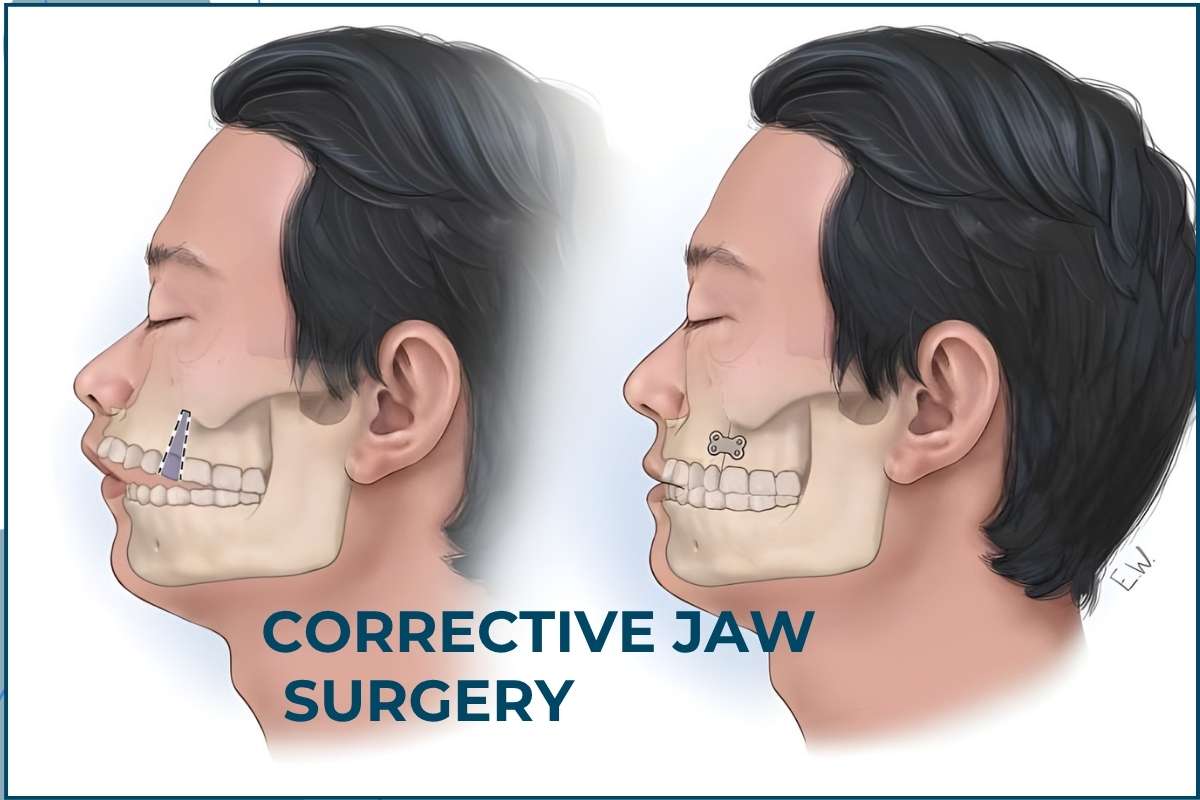
When most people think of orthodontic treatment, they picture braces or clear aligners straightening crooked teeth. But in some cases, the issue goes beyond tooth alignment. For patients with severe bite problems or jaw misalignment, surgical orthodontics, also known as orthognathic surgery, may be necessary to achieve a healthy, functional, and beautiful smile.
Surgical orthodontics is an advanced form of treatment that combines orthodontic care with jaw surgery to correct complex skeletal and dental irregularities. It’s designed to improve both the function and appearance of the mouth, jaw, and face—restoring balance, comfort, and confidence.
What Is Surgical Orthodontics?
Surgical orthodontics (orthognathic surgery) involves repositioning the upper jaw (maxilla), lower jaw (mandible), or both to correct abnormalities that can’t be fixed with braces or aligners alone. The procedure is typically performed by an oral and maxillofacial surgeon, a dental specialist trained in surgery of the mouth, jaw, face, and skull.
Your orthodontist and oral surgeon work together closely to plan and execute your treatment. The orthodontist aligns your teeth before and after surgery, while the surgeon corrects the bone structure of the jaw to achieve proper bite alignment.
This comprehensive approach not only improves the way your teeth fit together but also enhances facial symmetry and function.
Who Needs Surgical Orthodontics?
Surgical orthodontics is generally recommended for adults and older teens whose jaw growth has stopped (typically around age 16 for females and 18 for males). Once growth is complete, significant jaw misalignments can only be corrected surgically.
You may be a candidate for surgical orthodontics if you experience:
- Difficulty chewing, biting, or swallowing
- Chronic jaw pain or TMJ (temporomandibular joint) discomfort
- Speech problems related to jaw positioning
- An open bite, underbite, or overbite that cannot be fixed with braces alone
- Facial imbalance or asymmetry (such as a receding chin or protruding jaw)
- Sleep apnea caused by jaw misalignment
- Excessive tooth wear due to an uneven bite
In short, surgical orthodontics is ideal for patients whose jaw structure affects both oral health and facial harmony.
How Surgical Orthodontics Works
The process for surgical orthodontics typically involves three main phases:
1. Pre-Surgical Orthodontics
Before surgery, your orthodontist will fit you with braces or clear aligners to align your teeth into proper positions. Although this may make your bite look worse temporarily, it’s a necessary step to ensure that your teeth fit together perfectly after surgery. This phase usually lasts 6 to 18 months.
2. Orthognathic Surgery
Once your teeth are correctly aligned, your oral surgeon performs the jaw surgery in a hospital or surgical center under general anesthesia. The procedure may involve moving the upper jaw, lower jaw, or both to achieve proper balance. The bones are then stabilized using small plates, screws, or wires—similar to how bones are treated in orthopedic surgery.
The surgery itself typically lasts 2 to 4 hours, depending on complexity, and most patients can return home within a few days.
3. Post-Surgical Orthodontics
After your surgery, you’ll continue orthodontic treatment to fine-tune your bite and ensure optimal results. Once your orthodontist confirms that your teeth and jaws are properly aligned, your braces or aligners will be removed, revealing your new, functional smile.
Recovery and Results
Recovery from orthognathic surgery takes time and patience, but most patients agree the results are worth it.
Here’s what to expect during recovery:
- Initial swelling and mild discomfort for the first few weeks
- A soft or liquid diet for a short period
- Gradual improvement in speech and chewing ability
- Regular follow-up visits with your orthodontist and surgeon
Most patients can return to work or school within two weeks and resume normal activities within six weeks. As swelling subsides, you’ll notice improvements in jaw function, facial balance, and bite comfort.
The Benefits of Surgical Orthodontics
The advantages of surgical orthodontics extend far beyond cosmetic improvements. Patients often experience significant functional and health benefits, including:
- Better bite alignment and improved chewing efficiency
- Reduced jaw pain or TMJ symptoms
- Improved speech clarity
- Enhanced facial symmetry and aesthetics
- Easier breathing in cases linked to airway obstruction or sleep apnea
- Long-term oral health stability
By addressing both the dental and skeletal components of your smile, surgical orthodontics provides a comprehensive, lasting solution for complex jaw and bite issues.
Is Surgical Orthodontics Right for You?
Every patient’s needs are unique. If you’ve struggled with bite problems, jaw discomfort, or facial imbalance that hasn’t improved with traditional orthodontics, surgical orthodontics might be the answer. The best way to know for sure is through a detailed consultation with an experienced orthodontist and oral surgeon.
Transform Your Smile and Confidence – Book an Appointment Today
If you’re ready to learn more about how surgical orthodontics can correct your bite and enhance your facial harmony, our team is here to help. We’ll carefully assess your jaw alignment, explain your treatment options, and guide you through every step of your orthodontic journey.
Book an appointment today to discover how surgical orthodontics can give you the healthy, functional, and confident smile you deserve.