Orthodontics is commonly associated with straightening teeth, but it also plays a crucial role in correcting jaw alignment issues. Misaligned jaws can lead to various problems, including discomfort, difficulty chewing, speech issues, and even aesthetic concerns. In this blog, we’ll explore how orthodontic treatments can help with jaw alignment, the types of issues that can be addressed, and the benefits of achieving proper jaw alignment.
Understanding Jaw Alignment
Jaw alignment refers to the positioning and relationship between the upper jaw (maxilla) and the lower jaw (mandible). Proper alignment ensures that your teeth fit together correctly when you bite, chew, and speak. When the jaws are misaligned, it can lead to several issues, including:
- Overbite: The upper jaw protrudes significantly over the lower jaw.
- Underbite: The lower jaw extends beyond the upper jaw.
- Crossbite: Some upper teeth sit inside the lower teeth rather than outside.
- Open Bite: The upper and lower teeth do not meet when the mouth is closed.
- Temporomandibular Joint (TMJ) Disorders: Pain and dysfunction in the jaw joint and muscles controlling jaw movement.
How Orthodontics Can Help
Orthodontic treatments can effectively address jaw alignment issues through various methods. The choice of treatment depends on the specific problem and its severity.
1. Braces
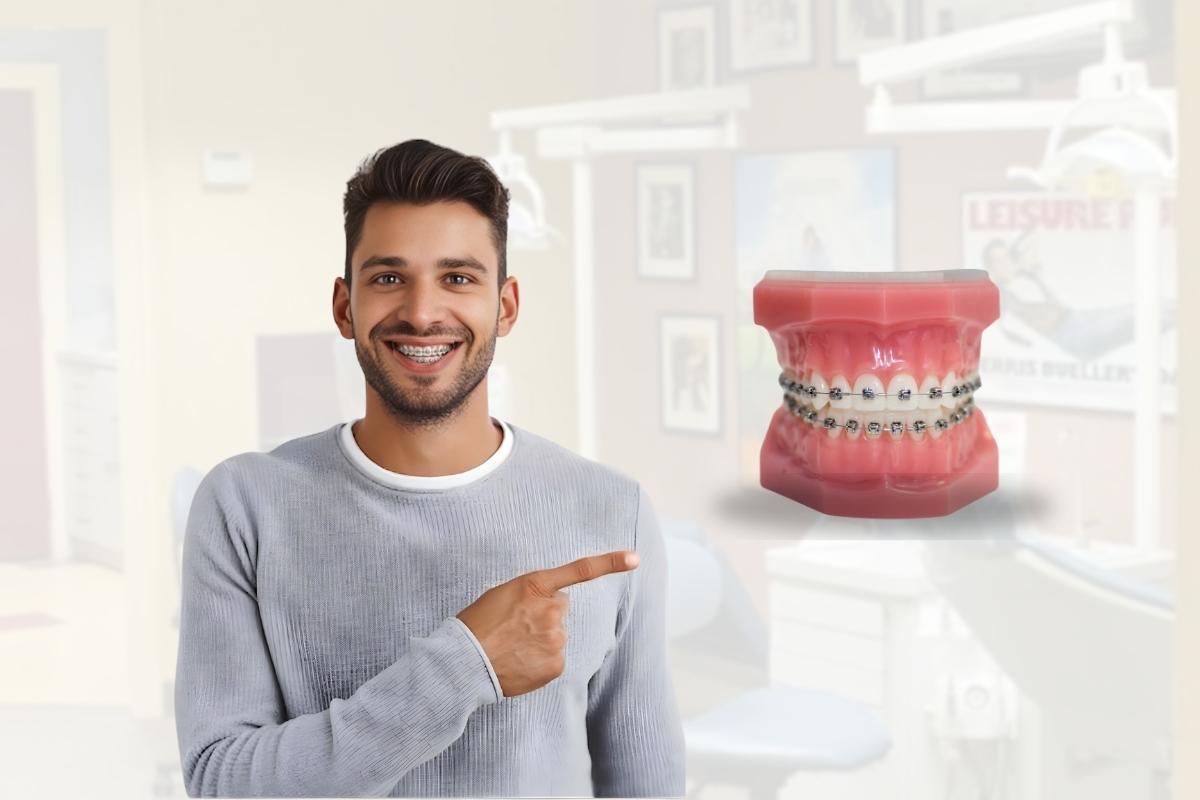
Braces are one of the most common orthodontic treatments for correcting jaw alignment. They consist of metal brackets bonded to the teeth and connected by wires and elastics. Braces work by applying continuous pressure on the teeth and jaws, gradually moving them into the desired position.
- Correction of Overbites and Underbites: Braces can help reposition the teeth and jaws to correct overbites and underbites.
- Adjustment of Crossbites and Open Bites: By carefully aligning the teeth, braces can address crossbites and open bites, improving the overall bite function.
2. Invisalign
Invisalign is a popular alternative to traditional braces, using a series of clear, removable aligners to move the teeth and jaws into the correct position. Invisalign can effectively treat mild to moderate jaw alignment issues.
- Aesthetic Appeal: Invisalign aligners are nearly invisible, making them a more discreet option.
- Comfort and Convenience: The aligners can be removed for eating and cleaning, providing greater comfort and flexibility.
3. Orthopedic Appliances
Orthopedic appliances are devices designed to modify the growth and development of the jawbones, especially in children and adolescents. These appliances can help guide the jaws into proper alignment as they grow.
- Headgear: Used to correct overbites by applying pressure to the upper jaw, encouraging it to move backward.
- Herbst Appliance: Helps treat underbites by encouraging forward growth of the lower jaw.
- Palatal Expander: Widens the upper jaw to correct crossbites and create more space for crowded teeth.
4. Jaw Surgery (Orthognathic Surgery)
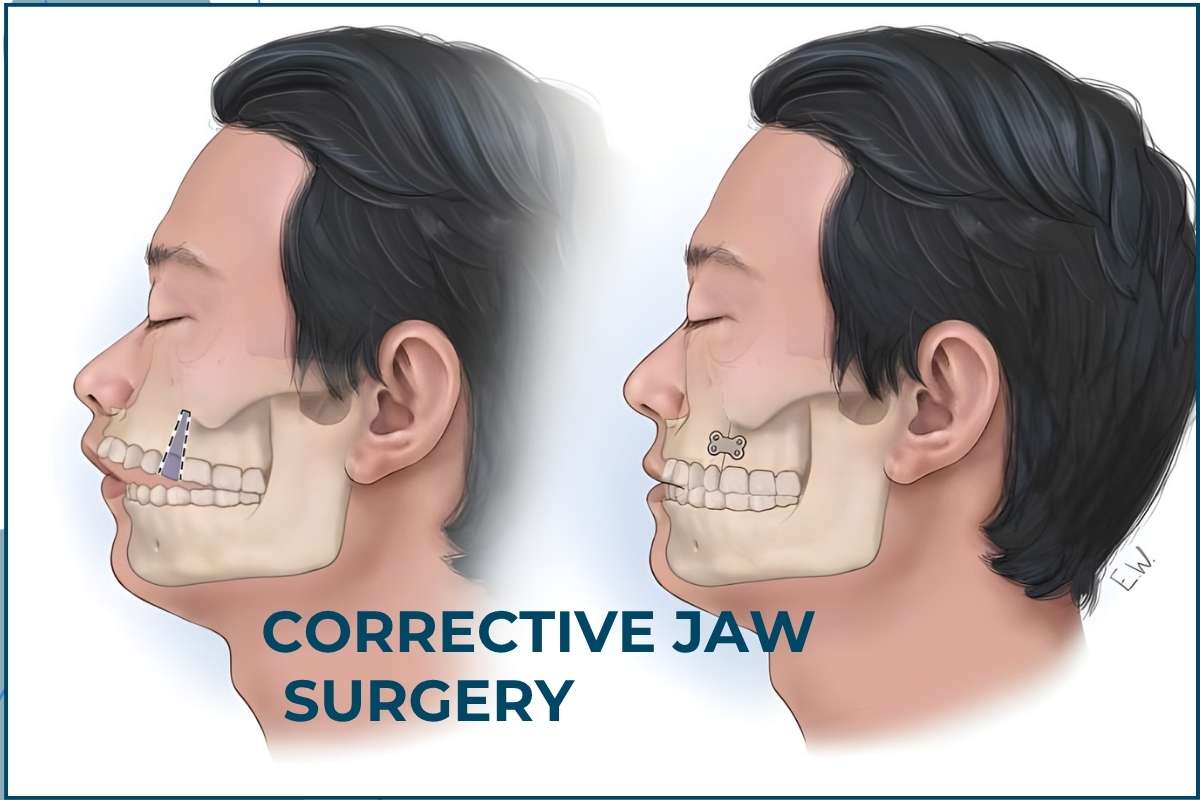
For severe jaw alignment issues that cannot be corrected with braces or appliances alone, orthognathic surgery may be necessary. This surgical procedure involves repositioning the jaws to achieve proper alignment.
- Severe Underbites or Overbites: Surgery can correct significant discrepancies between the upper and lower jaws.
- Improvement in Function and Aesthetics: Jaw surgery can enhance both the functional and aesthetic aspects of the face and bite.
Benefits of Proper Jaw Alignment
Correcting jaw alignment through orthodontic treatment offers numerous benefits:
- Improved Oral Function: Proper alignment enhances chewing, biting, and speaking functions.
- Pain Relief: Alleviates discomfort associated with TMJ disorders and jaw misalignment.
- Better Oral Health: Reduces the risk of tooth decay and gum disease by making it easier to clean teeth properly.
- Enhanced Aesthetics: Achieving a balanced facial profile and a more attractive smile.
- Boosted Confidence: A well-aligned jaw and straight teeth can significantly boost self-esteem and confidence.
Conclusion
Orthodontic treatments play a vital role in correcting jaw alignment issues, providing both functional and aesthetic benefits. Whether through braces, Invisalign, orthopedic appliances, or jaw surgery, orthodontics can address various alignment problems and improve overall oral health. If you suspect you have a jaw alignment issue, consult with an orthodontist to explore your treatment options and develop a personalized plan to achieve a healthy, properly aligned jaw.