When it comes to your child’s smile, timing matters more than you might think. Early orthodontic treatment—often called Phase 1 treatment—can identify and correct developing dental issues before they become more complex, costly, and time-consuming to fix later.
Children should have their first orthodontic evaluation by age 7. At this stage, a mix of baby teeth and permanent teeth allows orthodontists to spot subtle problems with jaw growth, bite alignment, and spacing.
If you’re a parent in Minooka, IL, understanding the early warning signs can help you take proactive steps toward your child’s long-term oral health. Below, we’ll explore five key signs your child should see an orthodontist now—and why early treatment can make all the difference.
Why Early Orthodontic Treatment Matters
Early orthodontic care isn’t just about straight teeth—it’s about guiding proper jaw development and preventing more serious issues down the road.
Benefits of Early Treatment:
- Reduces the need for tooth extractions later
- Guides jaw growth for better facial symmetry
- Lowers risk of trauma to protruding teeth
- Improves speech development and chewing function
- Shortens or simplifies future orthodontic treatment
By addressing issues early, orthodontists can often intercept problems before they fully develop, saving time, discomfort, and expense in the long run.
1. Crowded or Crooked Teeth
One of the most obvious signs your child may need early orthodontic treatment is crowded or crooked teeth.
What to Look For:
- Teeth overlapping or twisting
- Lack of space for permanent teeth to erupt
- Baby teeth falling out too early or too late
Crowding often indicates that the jaw isn’t large enough to accommodate incoming permanent teeth. Early intervention can create space and guide proper alignment before the issue worsens.
Why It Matters:
Untreated crowding can lead to the following:
- Difficulty cleaning teeth properly
- Increased risk of cavities and gum disease
- More complicated orthodontic treatment later
2. Difficulty Biting or Chewing
If your child struggles while eating, it could signal an underlying bite problem.
Common Symptoms:
- Trouble biting into foods like apples or sandwiches
- Chewing on one side of the mouth
- Complaints of discomfort while eating
These issues may be related to malocclusion (misaligned bite), such as overbite, underbite, or crossbite.
Why It Matters:
Improper bite alignment can
- Affects digestion due to inadequate chewing
- Lead to uneven wear on teeth
- Cause jaw strain or discomfort
Early orthodontic evaluation can correct these issues before they impact your child’s overall health.
3. Mouth Breathing or Thumb Sucking
Habits like thumb sucking and chronic mouth breathing may seem harmless—but over time, they can significantly affect dental and facial development.
Signs to Watch:
- Thumb or finger sucking beyond age 5
- Breathing primarily through the mouth
- Dry lips or frequent snoring
Why It Matters:
These habits can:
- Alter jaw growth and tooth alignment
- Lead to open bites or protruding front teeth
- Affects speech development
Orthodontists can provide habit-breaking appliances or guidance to minimize long-term effects.
4. Early or Late Loss of Baby Teeth
The timing of baby tooth loss plays a crucial role in how permanent teeth come in.
What’s Normal:
- Most children begin losing baby teeth around age 6
- Permanent teeth typically follow a predictable pattern
Warning Signs:
- Losing baby teeth too early due to decay or injury
- Retaining baby teeth longer than expected
Why It Matters:
Premature or delayed tooth loss can
- Cause neighboring teeth to shift
- Block permanent teeth from erupting properly
- Lead to spacing and alignment issues
Early orthodontic treatment may involve space maintainers or other interventions to guide proper tooth eruption.
5. Jaw Shifting, Clicking, or Imbalance
Your child’s jaw should open and close smoothly. Any irregular movement or sound could indicate a developing problem.
Symptoms Include:
- Clicking or popping sounds in the jaw
- Jaw shifting to one side when opening
- Facial asymmetry
Why It Matters:
Jaw issues can worsen over time, potentially leading to:
- Temporomandibular joint (TMJ) disorders
- Chronic discomfort or headaches
- Uneven facial growth
An orthodontist can evaluate jaw alignment and recommend early corrective measures if needed.
What to Expect During an Early Orthodontic Evaluation
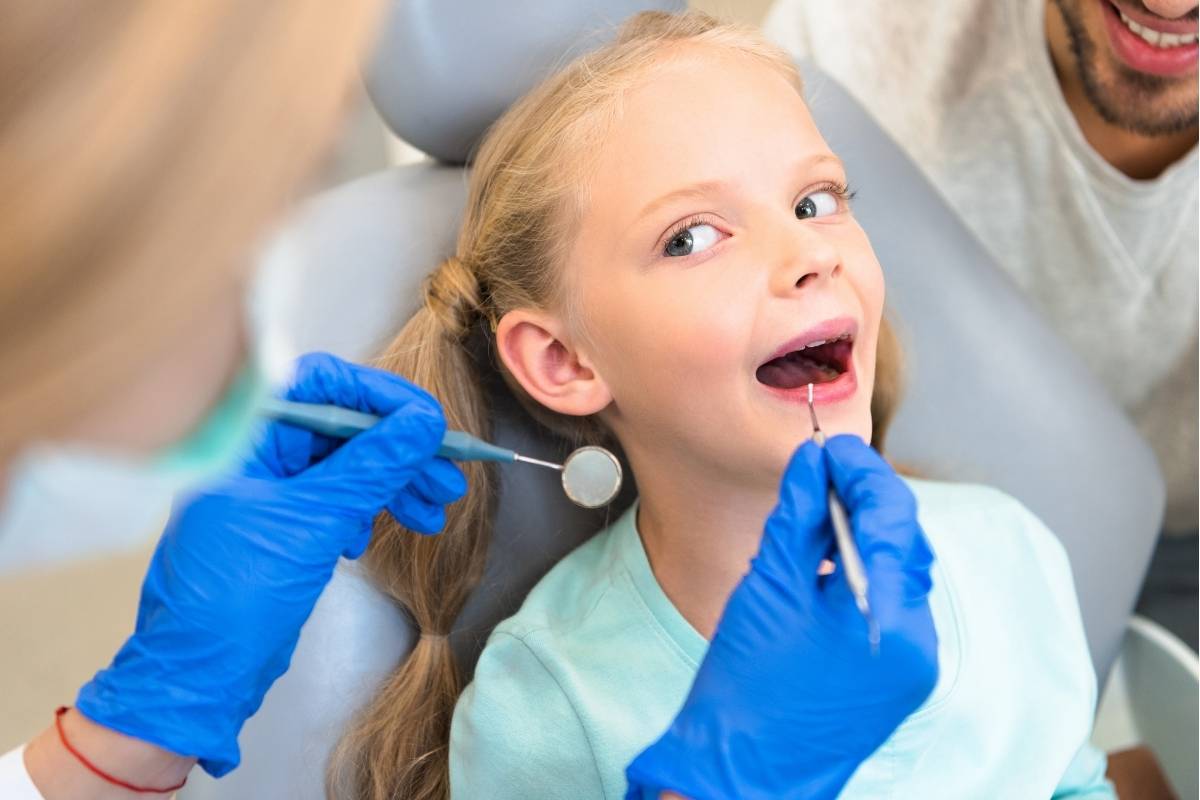
A first orthodontic visit is simple, comfortable, and informative. During the consultation, the orthodontist will:
- Examine your child’s teeth and jaw alignment
- Take digital X-rays or 3D scans if necessary
- Assess bite function and growth patterns
- Discuss whether treatment is needed now or later
Not all children require immediate treatment, but early monitoring ensures timely care when it’s most effective.
Types of Early Orthodontic Treatments
Depending on your child’s needs, early treatment may include the following:
1. Palatal Expanders
Used to widen the upper jaw and create space for permanent teeth.
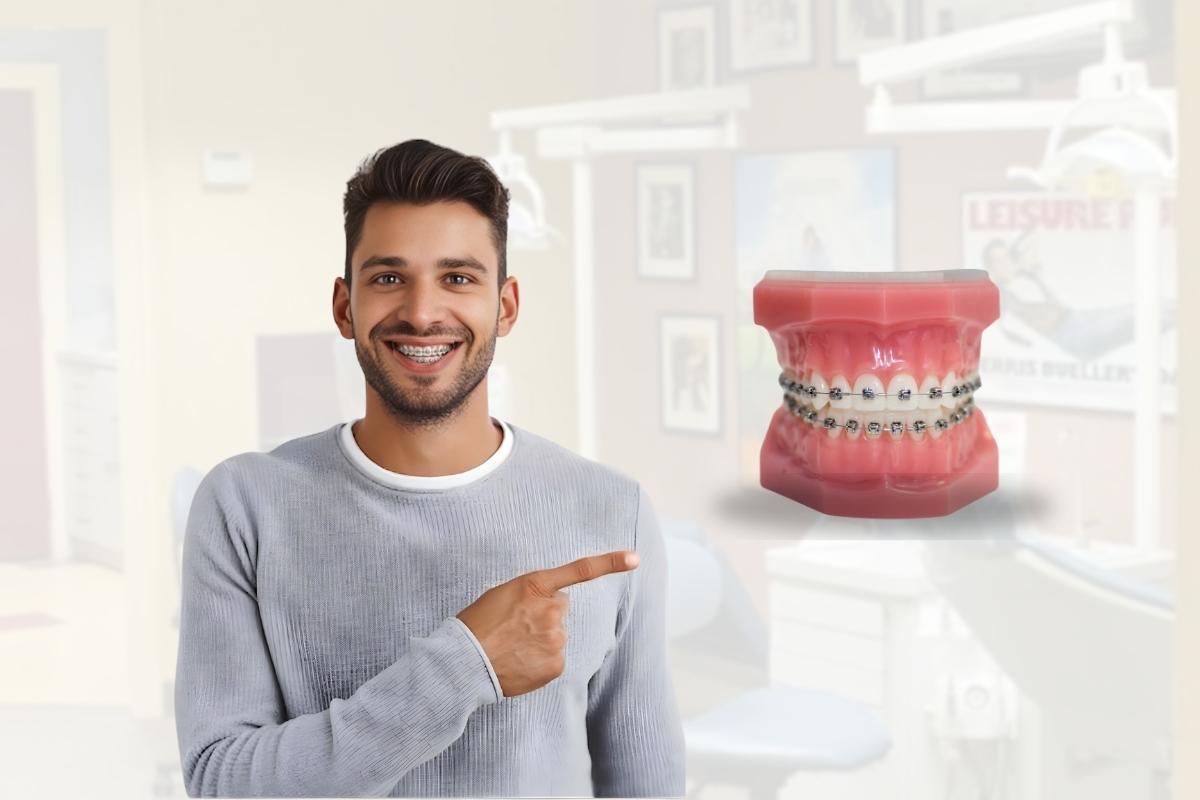
2. Partial Braces
Target specific teeth to correct alignment issues early.
3. Space Maintainers
Keep space open for permanent teeth after early tooth loss.
4. Habit Appliances
Help stop thumb sucking or tongue thrusting.
Each treatment plan is personalized to support healthy development and prevent future complications.
How Early Treatment Saves Time and Money
Many parents assume orthodontic treatment is only for teenagers—but delaying care can lead to more complex and expensive procedures later.
Early Treatment Can:
- Reduce treatment time in adolescence
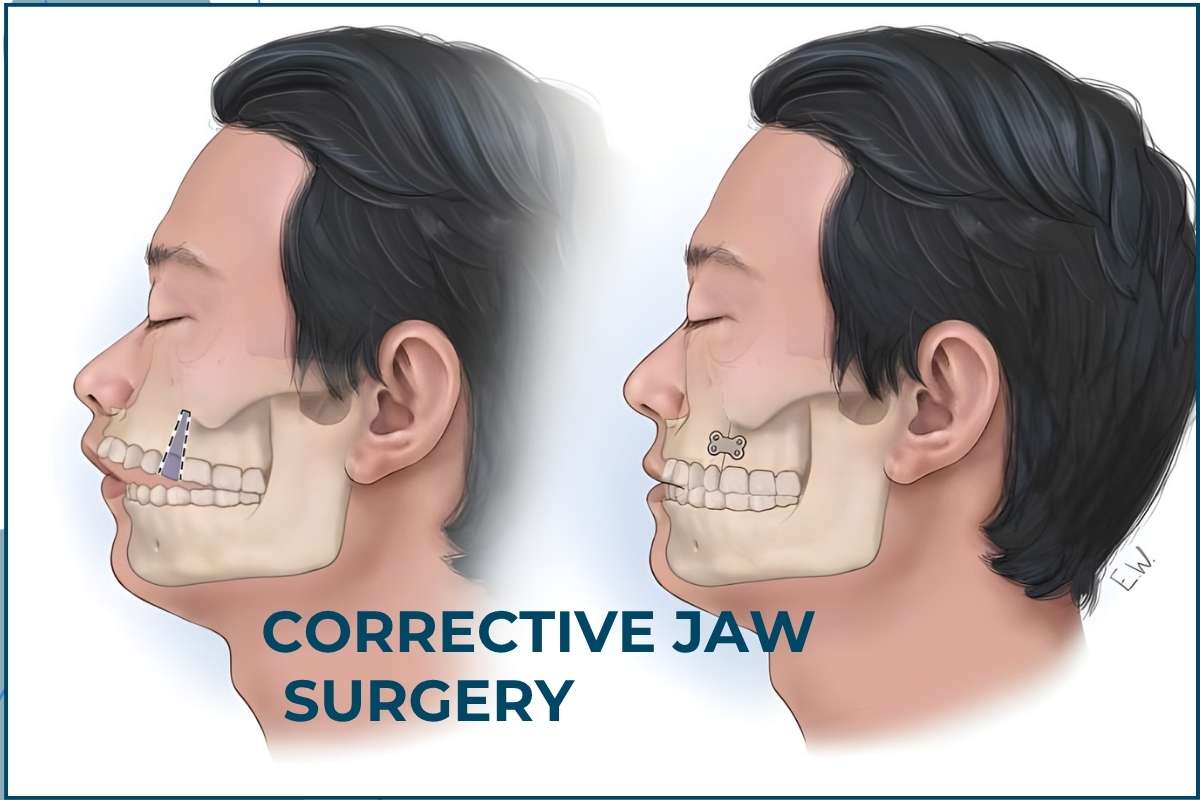
- Prevent the need for surgery or extractions
- Improve overall oral health outcomes
Investing in early care often means fewer visits, less discomfort, and better long-term results.
Choosing the Right Orthodontist
When selecting an orthodontist for your child, look for:
- Experience with pediatric orthodontics
- A friendly, child-focused environment
- Advanced diagnostic technology
- Flexible payment options
A trusted local provider can make all the difference in your child’s comfort and treatment success.
Don’t Wait for Problems to Worsen
Your child’s smile is constantly developing—and early intervention can set the foundation for a lifetime of confidence and oral health.
If you’ve noticed any of these five signs, it’s time to take action. Early orthodontic treatment is a proactive step that can prevent bigger problems and ensure your child’s smile grows beautifully and healthily.
Schedule your appointment today and visit our dental office at 106 N Ridge Rd, Ste. 104, Minooka, IL, 60447. Let our experienced team help your child achieve a confident, healthy smile that lasts a lifetime.