Sleep apnea and breathing issues can have a significant impact on overall health, leading to fatigue, cardiovascular problems, and even cognitive decline. While many people associate orthodontics with straightening teeth, advanced treatments like surgical orthodontics can play a crucial role in addressing airway obstructions. If you or a loved one struggles with sleep apnea or breathing difficulties, you might be wondering, surgical orthodontics can offer a solution. Let’s explore how this specialized treatment can help improve airflow, breathing, and overall quality of life.
Understanding Sleep Apnea and Its Causes
Sleep apnea is a condition where breathing repeatedly stops and starts during sleep. The most common type, obstructive sleep apnea (OSA), occurs when the muscles in the throat relax too much, blocking the airway. Some contributing factors include:
- Jaw misalignment—A recessed or underdeveloped jaw can lead to airway obstruction.
- Narrow airway—Some individuals naturally have a smaller airway, making them more susceptible to breathing difficulties.
- Excess soft tissue—enlarged tonsils, adenoids, or excess soft tissue in the throat can contribute to airway blockage.
- Tongue positioning—A tongue that falls too far back in the mouth can obstruct breathing during sleep.
While CPAP (continuous positive airway pressure) machines and oral appliances help manage sleep apnea symptoms, they do not always provide a permanent solution. Surgical orthodontics offers a long-term approach by addressing the underlying structural issues causing breathing difficulties.
What Is Surgical Orthodontics?
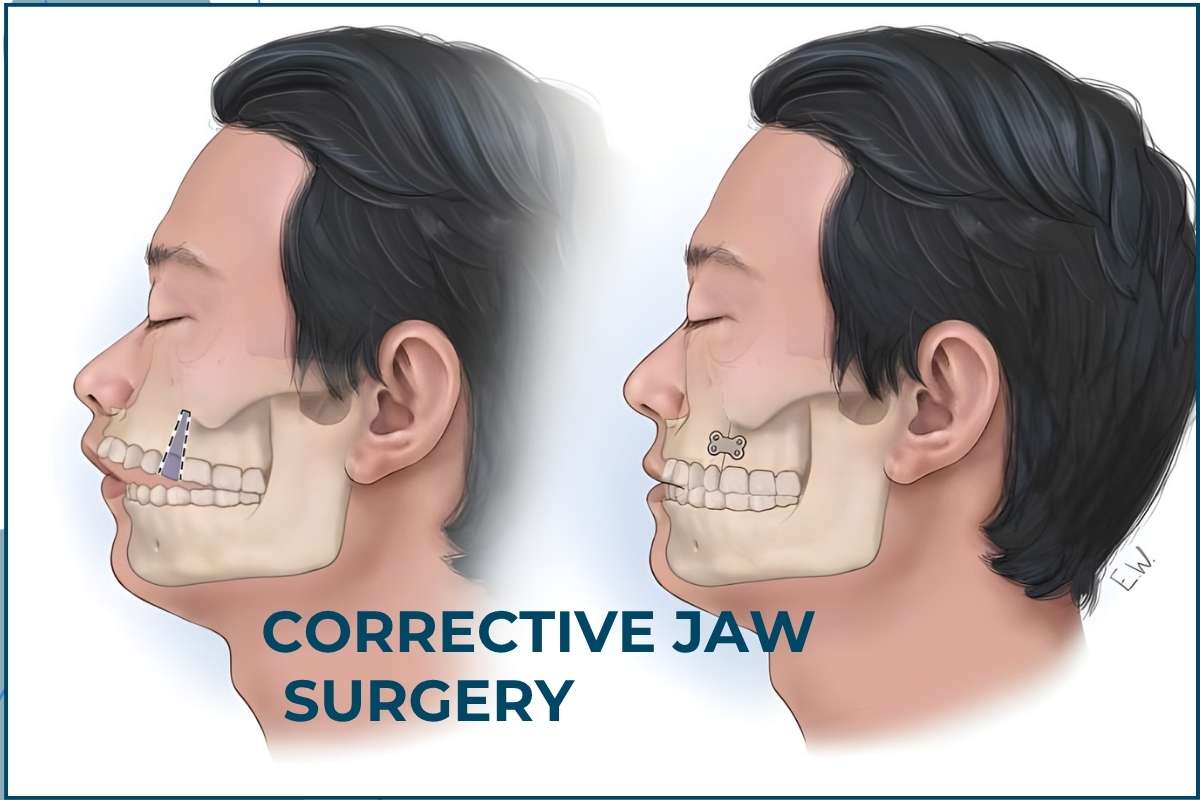
Surgical orthodontics, also known as orthognathic surgery, is a specialized procedure that corrects jaw and facial abnormalities. This treatment is typically recommended for patients with severe jaw misalignment that affects both function and appearance. By repositioning the jaw, surgical orthodontics can significantly improve breathing and help alleviate symptoms of sleep apnea.
Key Benefits of Surgical Orthodontics:
- Opens the airway—By adjusting the position of the jaw, more space is created in the airway, reducing blockages.
- Enhanced oxygen flow—Improved jaw positioning allows for better airflow, leading to deeper and more restful sleep.
- Reduces or eliminates the need for CPAP therapy—many patients find they no longer need CPAP machines after undergoing surgery.
- Improves jaw function—Beyond sleep apnea, the surgery also addresses bite issues, TMJ discomfort, and facial symmetry.
How Surgical Orthodontics Treats Sleep Apnea
1. Maxillomandibular Advancement (MMA)
This is one of the most effective surgical treatments for sleep apnea. The procedure involves moving both the upper and lower jaws forward to enlarge the airway. MMA increases space behind the tongue and soft palate, reducing obstructions during sleep.
2. Genioglossus Advancement (GA)
This procedure focuses on repositioning the tongue muscle attachment to prevent it from collapsing backward and blocking the airway. GA is often combined with other treatments to maximize effectiveness.
3. Mandibular Advancement Surgery
For patients with a receding lower jaw, this procedure moves the jaw forward, creating more room for the tongue and opening the airway.
4. Expansion of the Palate (Surgically Assisted Rapid Palatal Expansion – SARPE)
For individuals with a narrow upper jaw, surgical expansion widens the palate, increasing nasal airflow and reducing breathing difficulties.
What to Expect During Treatment
1. Consultation and Evaluation
Your orthodontist and oral surgeon will assess your condition through imaging, sleep studies, and a physical examination to determine whether surgical orthodontics is the right solution.
2. Pre-Surgical Orthodontic Treatment
Most patients require braces before surgery to properly align the teeth in preparation for the procedure.
3. Surgical Procedure
The surgery is performed under general anesthesia and typically takes several hours, depending on the complexity of the case.
4. Recovery Period
- Patients generally require a few weeks to recover, with initial swelling and discomfort subsiding over time.
- A soft diet is recommended during the healing phase.
- Post-surgical orthodontic treatment may be necessary to fine-tune the bite.
Is Surgical Orthodontics Right for You?
Not all cases of sleep apnea require surgery, and a thorough evaluation by an orthodontist and sleep specialist is essential. Candidates for surgical orthodontics typically include:
- Individuals with severe jaw misalignment affecting airway function.
- Patients who have not responded well to CPAP therapy or other non-surgical treatments.
- Those experiencing chronic breathing issues, snoring, or disturbed sleep due to anatomical airway obstruction.
If you suspect that your jaw structure is contributing to sleep apnea, it may be time to explore surgical options for lasting relief. Schedule an appointment today to discuss your concerns and receive a personalized treatment plan.
Surgical orthodontics provides a long-term solution for individuals suffering from sleep apnea and breathing difficulties caused by jaw misalignment. By repositioning the jaw and expanding the airway, this treatment can significantly improve sleep quality, oxygen flow, and overall health. If you’re seeking a lasting solution to sleep apnea, Red and Ritchey Orthodontics – New Lenox specializes in advanced orthodontic treatments that enhance both function and aesthetics. Contact us today to learn more about how we can help you breathe easier and sleep better.