Many patients in Joliet ask the same important question: can Invisalign fix your bite, or do you need braces instead? It is one of the most common concerns we hear at RRC Orthodontics. The answer depends on the type and severity of your bite issue. Understanding the difference helps you make a confident, informed decision about your smile.
Both Invisalign and traditional braces are proven orthodontic treatments. However, they work differently and excel in different situations. Dr. Clarence Red III helps Joliet patients determine which option fits their unique needs. Explore our Services Joliet page to see everything we offer.
What Invisalign Can Fix: A Closer Look
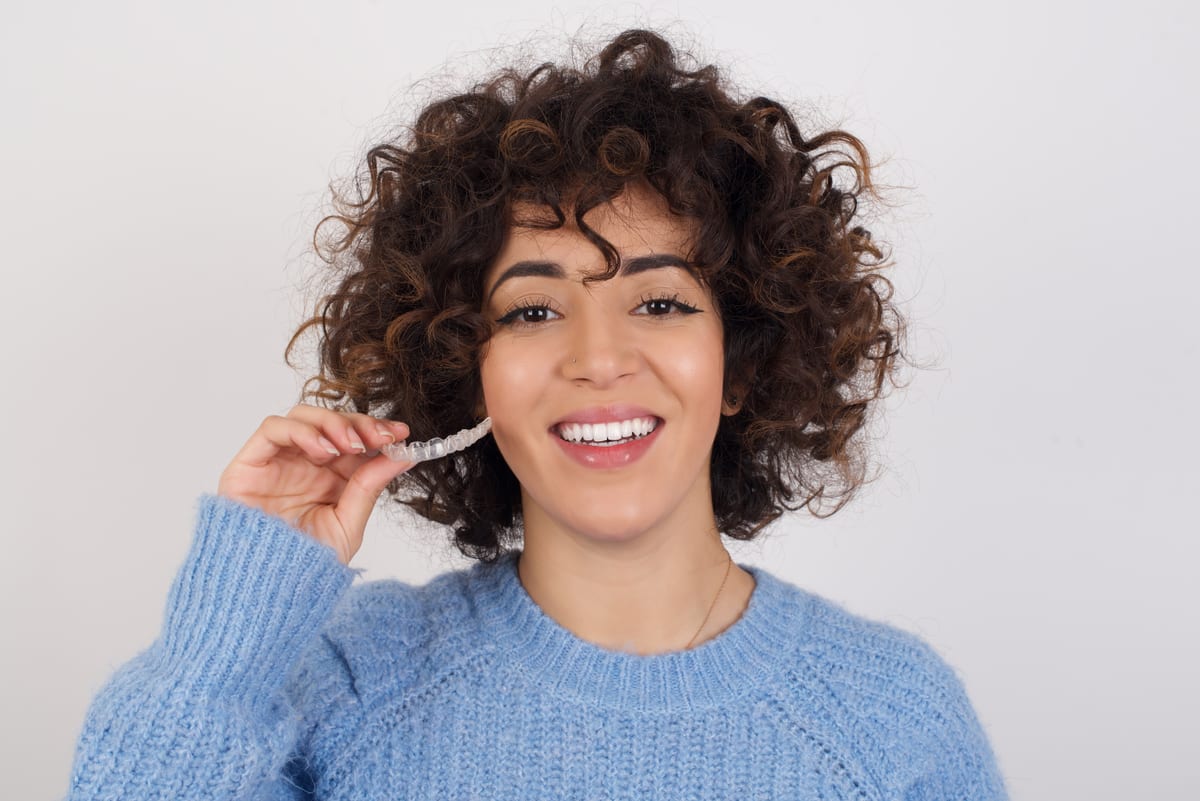
Invisalign uses a series of clear, removable plastic aligners to shift teeth gradually. Many patients love the discreet appearance and comfortable fit. Clear aligners are an excellent choice for mild to moderate orthodontic issues. Here is a breakdown of what Invisalign handles well.
Invisalign works effectively for the following concerns:
- Mild to moderate crowding — teeth that overlap or are slightly crooked
- Spacing issues — small gaps between teeth that affect appearance
- Mild overbite — when upper front teeth extend slightly over lower teeth
- Mild underbite — when lower teeth sit slightly in front of upper teeth
- Open bite — mild cases where upper and lower teeth do not meet
- Crossbite — when some upper teeth sit inside lower teeth
Invisalign technology has advanced significantly over the years. Today, it addresses more complex issues than it could a decade ago. However, there are still cases where braces deliver better, more reliable results.
When Braces Work Better Than Invisalign in Joliet
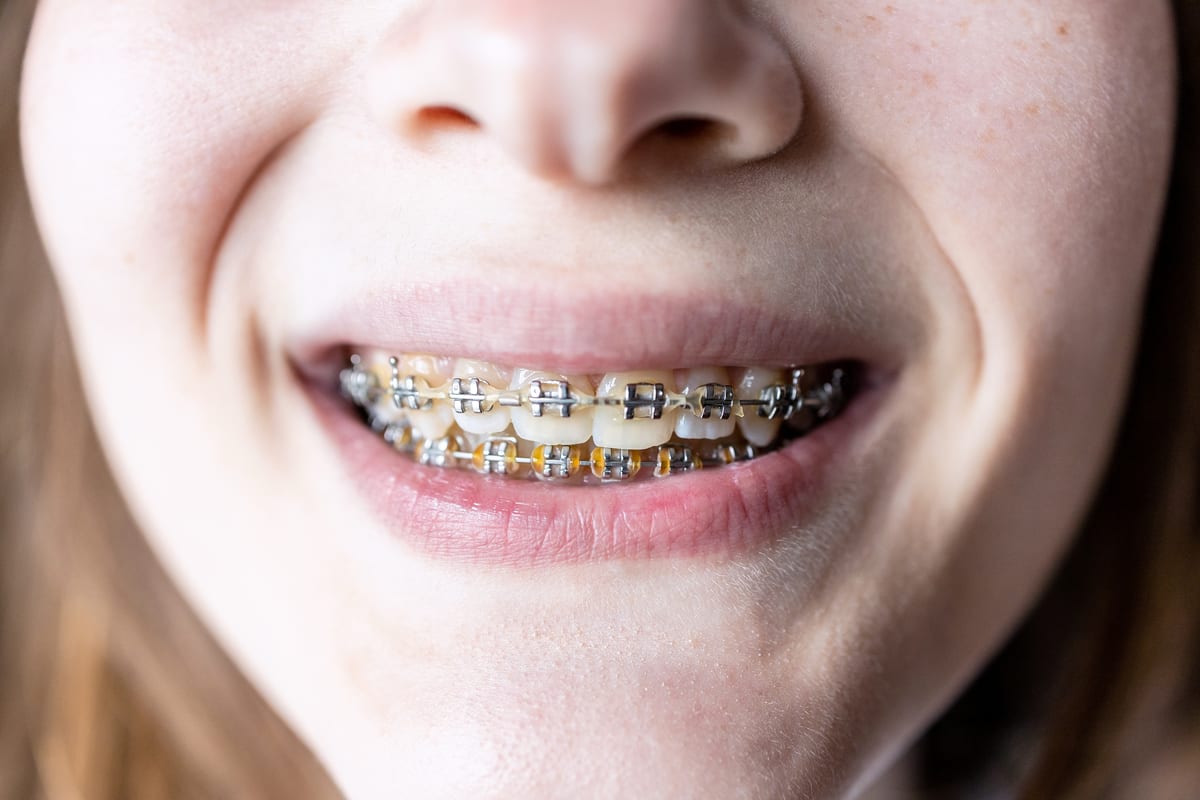
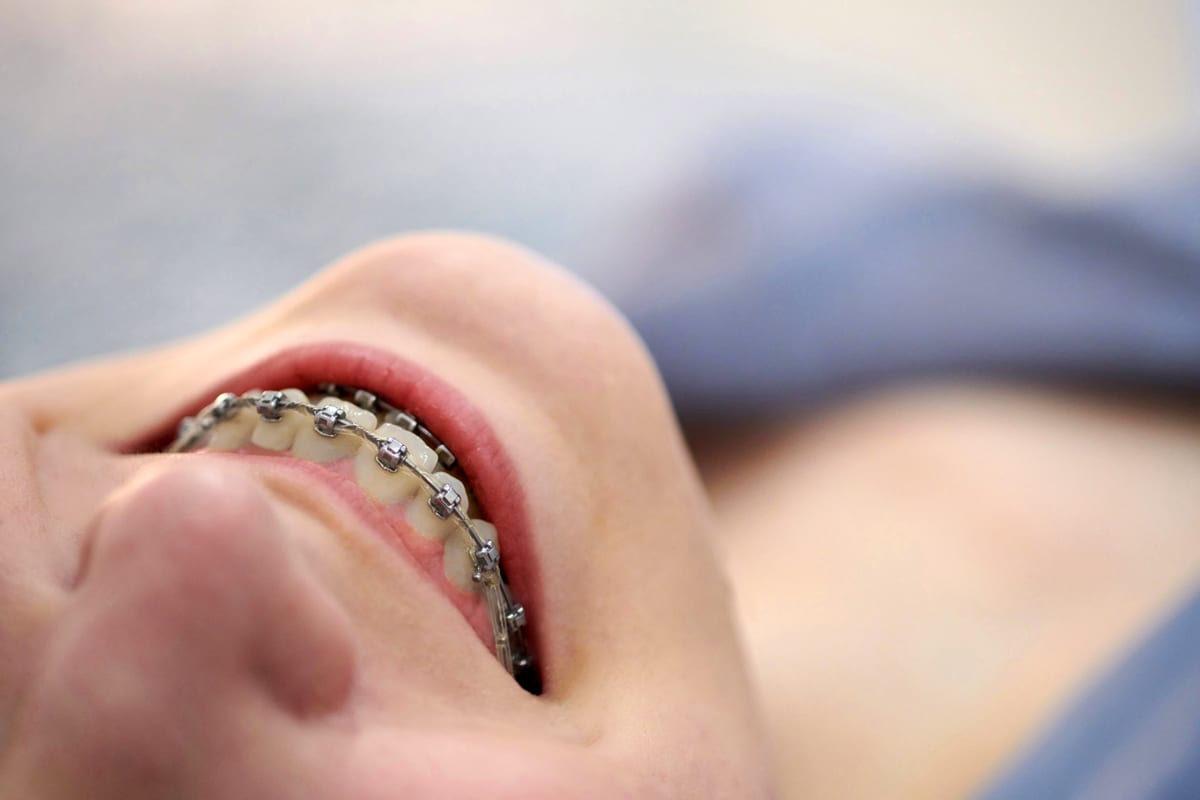
Traditional braces use metal brackets and wires bonded directly to your teeth. This design gives orthodontists precise control over tooth movement. For complex bite problems, that precision makes a significant difference. In Joliet, many patients benefit from braces for conditions that aligners simply cannot correct as effectively.
Braces tend to outperform clear aligners in these situations:
- Severe crowding — when teeth are significantly overlapped or rotated
- Severe overbite or underbite — deeper bite issues needing greater force
- Skeletal bite problems — jaw-related issues that require more targeted correction
- Significant tooth rotation — teeth that need to rotate more than 20 degrees
- Vertical tooth movement — when teeth need to be raised or lowered in the jaw
Dr. Clarence Red III carefully evaluates each patient’s bite before recommending a treatment. No two smiles are exactly alike. A thorough consultation ensures you receive the approach most likely to deliver lasting results.
Braces for Adults: You Are Never Too Old for a Great Smile
Many adults in Joliet assume orthodontic treatment is only for teenagers. That simply is not true. Braces for adults are increasingly common, and modern options are more comfortable than ever. Whether you never had treatment as a child or your teeth shifted over time, help is available.
Adult patients often face unique orthodontic challenges. Bone density and jaw structure are fully developed, which can affect treatment planning. Some adult bite issues respond better to traditional braces than to aligners. Dr. Red takes all of these factors into account during your evaluation.
Adults who prefer a subtle look may also explore ceramic braces or lingual braces. These options offer the precision of traditional braces with less visible hardware. The right choice depends on the severity of your bite and your personal priorities. A consultation with our team gives you the clarity you need.
How Dr. Clarence Red III Determines the Right Treatment for You
Choosing between Invisalign and braces is not a guesswork decision. Dr. Red uses diagnostic tools including digital X-rays and 3D scans. These images reveal the full picture of your bite, jaw alignment, and tooth positioning. Only then does he recommend a personalized treatment plan.
Your lifestyle also plays a role in the decision. Invisalign aligners are removable, which makes eating and cleaning teeth easier. However, they require discipline — you must wear them 20 to 22 hours per day. Patients who struggle with compliance may achieve better outcomes with fixed braces.
Treatment length also varies based on your specific needs. Mild cases with clear aligners may resolve in 6 to 12 months. More complex bite corrections with braces can take 18 to 30 months. Understanding your timeline helps you plan with confidence.
Take the Next Step Toward a Healthier Bite in Joliet
If you have been wondering whether Invisalign can fix your bite or whether you need braces instead, the best way to find out is with a professional evaluation. Dr. Clarence Red III and the team at RRC Orthodontics in Joliet are here to guide you every step of the way. We take a patient-centered approach to orthodontic care — educational, empathetic, and always honest. Ready to learn more? Contact Us Joliet to get started today.
Every smile is different, and your treatment should reflect that. Whether clear aligners or traditional braces are the right fit, we will help you achieve a bite that is both functional and beautiful. Our team is proud to serve patients throughout Joliet and the surrounding communities. Book Now to schedule your appointment with our team.
Frequently Asked Questions
Can Invisalign fix a severe overbite?
Invisalign can address mild to moderate overbites effectively. However, severe overbites often require traditional braces or a combination approach. Dr. Clarence Red III will assess your bite during a consultation to determine the best option for your specific case.
Is Invisalign suitable for adults with complex bite problems?
Invisalign works well for many adult patients, but complex bite problems may require braces for more precise control. Adults with significant crowding, severe underbites, or skeletal issues often benefit more from traditional orthodontic treatment. A thorough evaluation will clarify which option suits you best.
How long does Invisalign treatment take compared to braces?
Invisalign treatment for mild cases can take as few as 6 to 12 months. Traditional braces for more complex issues may take 18 to 30 months. Your specific bite and treatment goals will determine the timeline during your consultation at RRC Orthodontics in Joliet.
Will I need to wear a retainer after Invisalign or braces?
Yes, retainers are essential after any orthodontic treatment. They hold your teeth in their new positions and prevent shifting. Dr. Red will provide detailed guidance on retainer use once your active treatment is complete.
How do I know if I am a candidate for Invisalign in Joliet?
The best way to find out is through a professional consultation with Dr. Clarence Red III at RRC Orthodontics. He will examine your teeth, bite, and jaw alignment using advanced imaging. From there, he will recommend the most effective and appropriate treatment for your smile goals.