Finishing orthodontic treatment is a major milestone. But many adults in Crest Hill wonder what comes next. Knowing what to expect after adult braces — your complete recovery guide for Crest Hill patients — can make the transition much smoother. Dr. Clarence Red III and the team at RRC Orthodontics – Joliet are here to walk you through every step. From the first days of soreness to long-term retention, this guide covers it all.
Your Recovery Timeline After Adult Braces in Crest Hill
Recovery after braces is not a single moment — it unfolds over weeks. Most adults feel some soreness within the first 24 to 72 hours after braces are removed. This is completely normal and temporary. Your teeth have been gently shifting for months, and they need time to settle.
During the first week, you may notice increased tooth sensitivity. Cold drinks or biting into firm foods might feel different than before. This sensitivity typically fades within one to two weeks for most patients.
Over the following months, your bone and gum tissue continue to adapt. Wearing your retainer consistently during this phase is critical. Without it, teeth can drift back toward their original positions.
- Days 1–3: Mild to moderate soreness and sensitivity
- Days 4–7: Sensitivity begins to ease; gums may still feel tender
- Weeks 2–4: Most discomfort resolves; retainer wear becomes routine
- Months 1–6: Bone tissue continues to stabilize around teeth
- 6 months onward: Full long-term retention phase begins
What to Eat After Your Braces Come Off
One of the best parts of finishing braces is enjoying foods you avoided during treatment. However, the first few days still call for some caution. Your teeth and gums are adjusting, so softer foods are a smart choice early on.
Stick to foods like yogurt, mashed potatoes, scrambled eggs, and soft pasta for the first two to three days. These options minimize discomfort while your mouth recovers. Avoid anything extremely crunchy, chewy, or hard during this initial window.
After the first week, most patients can return to a normal diet with few restrictions. Your orthodontist may advise you to protect your new smile by avoiding habits like chewing ice or biting fingernails. These can stress your teeth even after treatment ends.
- Soft foods to enjoy early: yogurt, soup, smoothies, oatmeal, soft fruit
- Foods to ease back into: raw vegetables, crusty bread, apples, nuts
- Habits to avoid permanently: chewing ice, biting pens, opening packages with teeth
Managing Discomfort and Sensitivity After Treatment
Some discomfort after braces is expected and manageable. Over-the-counter pain relievers like ibuprofen or acetaminophen can help during the first few days. Always follow the recommended dosage on the label.
Rinsing with warm salt water can also soothe tender gum tissue. Mix half a teaspoon of salt into eight ounces of warm water and rinse gently two to three times a day. This simple remedy reduces inflammation and promotes healing.
If your retainer causes pressure or soreness, that is also normal at first. The retainer is doing its job — holding your teeth in their new positions. Most patients find the discomfort fades after the first few days of consistent wear.
Avoid extremely hot or cold foods if tooth sensitivity is bothersome. A sensitivity toothpaste used twice daily can also provide meaningful relief. Speak with Dr. Clarence Red III if sensitivity persists beyond two weeks.
Understanding Your Retainer and Long-Term Care in Crest Hill
Your retainer is the most important part of life after braces. Without it, teeth naturally want to shift back. This process — called orthodontic relapse — can undo months of hard work and investment.
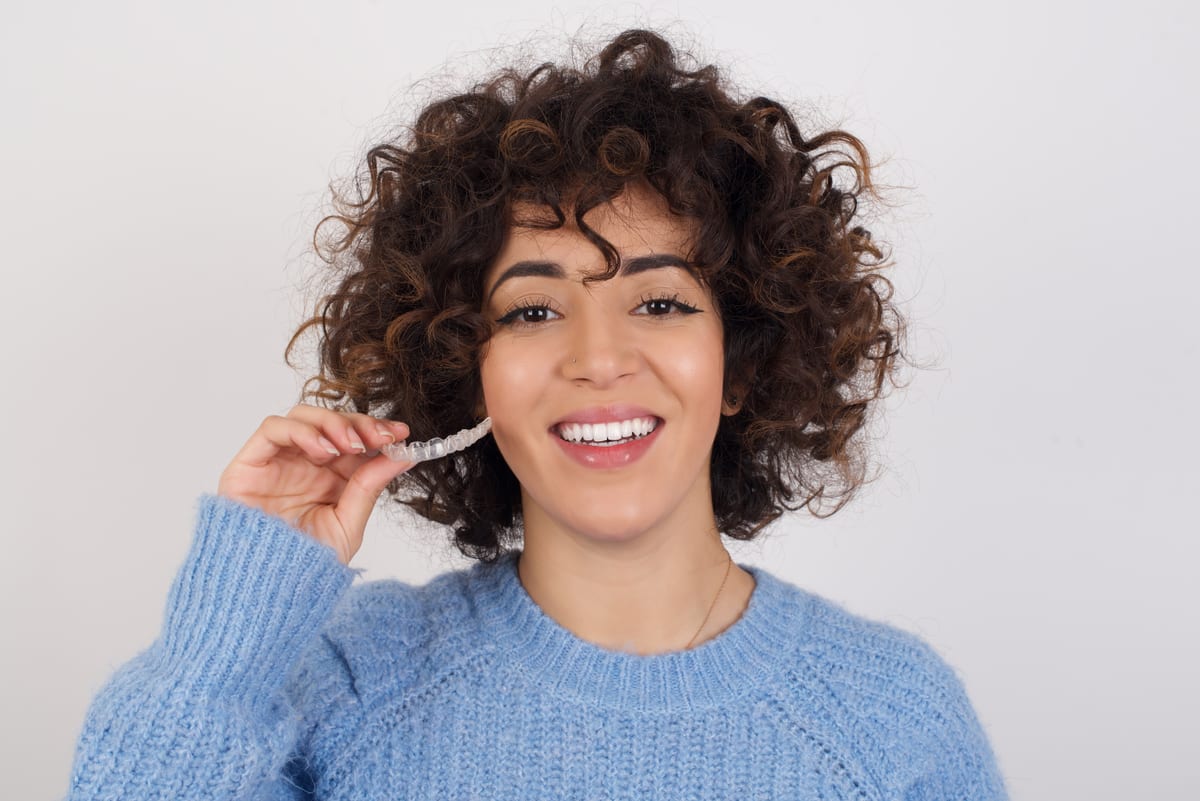
Most adults in Crest Hill receive either a removable clear retainer or a fixed wire retainer bonded behind the teeth. Each type has benefits depending on your specific treatment results. Dr. Clarence Red III will recommend the best option for your smile.
For removable retainers, wear them full-time for the first three to six months. After that, most patients transition to nighttime-only wear. Following this schedule closely protects your results for years to come.
Clean your retainer daily with a soft toothbrush and mild soap. Avoid soaking it in hot water, which can warp the material. Store it in its case when not in use to prevent loss or damage.
When to Call Your Orthodontist After Braces
Most post-treatment experiences are mild and expected. However, certain signs should prompt a call to our office. Knowing when to reach out ensures your recovery stays on track.
Contact RRC Orthodontics – Joliet if you notice any of the following after your braces are removed. Prompt attention prevents small issues from becoming bigger problems.
- Severe or worsening pain that does not improve after several days
- A retainer that no longer fits properly or feels significantly tighter than before
- Visible shifting of teeth even while wearing your retainer
- A broken or cracked retainer that needs replacement
- Persistent sensitivity lasting more than two to three weeks
Our team is always happy to answer questions between appointments. You can explore our Services Crest Hill page for more information about what we offer. You can also reach out through our Contact Us Crest Hill page with any concerns after treatment.
Conclusion: Your Smile Deserves Lifelong Care
Completing adult braces is something to be proud of. The recovery period is short compared to the lasting benefits of a straight, healthy smile. With the right aftercare habits, your results can last a lifetime.
Dr. Clarence Red III and the RRC Orthodontics – Joliet team are committed to supporting every patient through the full journey — from first consultation to long-term retention. Crest Hill adults trust us to guide them with honest, compassionate care every step of the way. Your smile is our priority, and we are here whenever you need us.
Ready to take the next step toward protecting your new smile? Book Now to schedule your appointment with our team.
Frequently Asked Questions
How long does soreness last after adult braces are removed?
Most adults experience mild soreness for one to three days after braces come off. Sensitivity to hot and cold foods may linger for up to two weeks. Over-the-counter pain relievers and warm salt water rinses help manage discomfort effectively during this period.
Do I really need to wear my retainer every night?
Yes — consistent retainer wear is essential, especially in the first six months. Teeth have a natural tendency to shift back without support. Dr. Clarence Red III will give you a personalized retainer schedule based on your specific treatment results.
Can I eat normally right after my braces come off?
We recommend softer foods for the first two to three days while your mouth adjusts. After that initial period, most patients can return to a normal diet. Avoiding habits like chewing ice or biting hard objects helps protect your smile long term.
What should I do if my retainer no longer fits?
A retainer that feels too tight or no longer fits properly is a sign your teeth may have shifted. Contact our office right away so we can evaluate the situation. Do not force a retainer that does not fit — that can cause discomfort or damage.
How often should I visit the orthodontist after braces are removed?
Most patients schedule a follow-up appointment within six to eight weeks after braces are removed. After that, check-ins are typically scheduled as needed based on retainer wear and tooth stability. Regular visits help catch any early signs of shifting before they become significant.