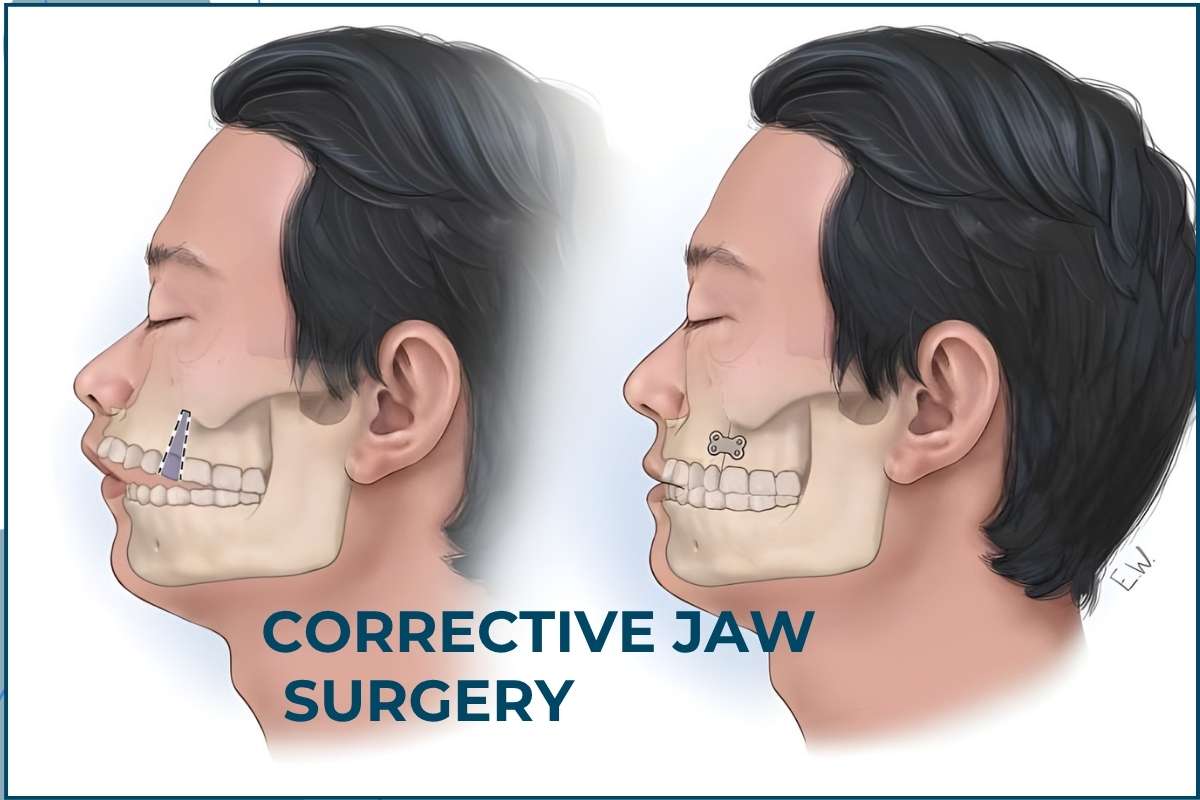
A beautiful, healthy smile goes beyond straight teeth—it also involves proper jaw alignment, which affects chewing, speaking, and overall oral health. For many patients, traditional orthodontic treatments like braces alone may not be enough to achieve optimal function and aesthetics. This is where surgical orthodontics comes into play, combining orthodontic treatment with jaw surgery to correct complex bite and jaw alignment issues. We’ll break down what surgical orthodontics involves, who it’s for, the procedure, recovery, and the transformative benefits it offers.
What is Surgical Orthodontics?
Surgical orthodontics, also known as orthognathic surgery, is a specialized dental treatment that combines braces or other orthodontic devices with jaw surgery to correct severe misalignments of the jaw and bite. Unlike conventional orthodontics, which focuses on moving teeth into better positions, surgical orthodontics addresses underlying skeletal problems.
Common issues that may require surgical orthodontics include:
- Severe overbite or underbite
- Crossbite
- Open bite
- Facial asymmetry
- Difficulty chewing, speaking, or breathing due to jaw misalignment
Patients who experience discomfort, TMJ disorders, or speech difficulties related to jaw position are often ideal candidates. While orthodontic braces align teeth, jaw surgery ensures the upper and lower jaws meet correctly, improving both function and facial aesthetics.
How Surgical Orthodontics Works
The surgical orthodontic process typically follows a carefully coordinated sequence between your orthodontist and oral or maxillofacial surgeon. Here’s what you can expect:
- Comprehensive Evaluation
Your treatment begins with a thorough evaluation, including X-rays, 3D imaging, and dental impressions. This helps your dental team plan the precise movements needed for your teeth and jaw. - Pre-Surgical Orthodontics
Braces are placed several months before surgery to align the teeth within each jaw. This step ensures that when the jaw is repositioned during surgery, the teeth will fit together properly. - Surgical Procedure
Orthognathic surgery is performed under anesthesia and involves repositioning one or both jaws. Depending on the severity of the misalignment, the surgeon may move the upper jaw (maxilla), lower jaw (mandible), or both. Plates, screws, or wires are often used to stabilize the jaw during healing. - Post-Surgical Orthodontics
After surgery, braces remain in place to fine-tune the bite and ensure proper teeth alignment. This phase can last several months, depending on your individual case. - Recovery and Rehabilitation
Recovery involves a combination of rest, a soft-food diet, pain management, and follow-up appointments. Most patients experience swelling and minor discomfort in the first few weeks. Over time, you’ll notice improved bite function, facial symmetry, and a more confident smile.
Benefits of Surgical Orthodontics
Surgical orthodontics offers numerous advantages that go beyond aesthetics:
- Enhanced Functionality: Correct jaw alignment improves chewing, speaking, and breathing.
- Long-Term Oral Health: Properly aligned jaws reduce the risk of excessive wear, TMJ disorders, and periodontal problems.
- Facial Harmony: Repositioning the jaw can enhance your facial profile and symmetry, contributing to a more balanced appearance.
- Increased Confidence: A straighter, properly aligned smile boosts self-esteem and social confidence.
- Customized Treatment: Each plan is tailored to the patient’s unique jaw structure, bite issues, and cosmetic goals.
Who Can Benefit from Surgical Orthodontics?
Surgical orthodontics isn’t necessary for everyone, but it can be life-changing for individuals with:
- Skeletal jaw discrepancies that braces alone cannot correct
- Difficulty chewing, biting, or speaking clearly
- Chronic jaw pain or TMJ disorders
- Severe overbites, underbites, or open bites affecting function or aesthetics
- Facial asymmetry that impacts appearance or self-confidence
Patients typically undergo a detailed evaluation to determine if surgery is required or if orthodontics alone will achieve the desired results.
Preparing for Surgical Orthodontics
Preparation is key to a successful surgical orthodontic outcome. Steps include:
- Consultation: Meet with both your orthodontist and oral surgeon to discuss your goals, review imaging, and understand the surgical plan.
- Pre-Surgery Orthodontics: Braces or aligners may be placed to position teeth correctly for surgery.
- Medical Clearance: Ensure you’re in good overall health, as certain medical conditions may affect healing.
- Lifestyle Adjustments: Stop smoking, follow a healthy diet, and maintain good oral hygiene to optimize recovery.
Recovery Tips After Jaw Surgery
Recovery from orthognathic surgery varies but generally includes:
- Soft or Liquid Diet: For the first few weeks, eat soft foods like yogurt, smoothies, mashed potatoes, and soup to avoid stressing the jaw.
- Pain and Swelling Management: Use prescribed medications and ice packs as recommended by your surgeon.
- Oral Hygiene: Follow specific instructions for brushing and rinsing to prevent infection.
- Follow-Up Appointments: Regular visits ensure proper healing and progress monitoring.
- Patience and Care: Full recovery may take several months, but adherence to your post-surgical plan promotes optimal results.
Risks and Considerations
Like any surgical procedure, orthognathic surgery carries some risks, including:
- Swelling, bruising, or temporary numbness
- Infection or delayed healing
- Minor relapse of jaw alignment (rare)
- Discomfort or soreness around the surgical site
However, careful planning and close monitoring by your orthodontic and surgical team minimize risks and ensure the best possible outcome.
Transforming Your Smile and Bite
Surgical orthodontics is a powerful solution for complex dental and facial issues. By combining braces with jaw surgery, patients can achieve not only straighter teeth but also improved bite function, facial balance, and lasting oral health. For many, the transformation extends beyond physical appearance, providing renewed confidence and a higher quality of life.
If you’ve struggled with bite problems, jaw discomfort, or aesthetic concerns, consulting a surgical orthodontist can help determine if this advanced treatment is right for you.
Book your appointment today and visit the office at 218 W Washington St, Morris, IL 60450. Take the first step toward a healthier, more confident smile.
FAQs
1. How long does surgical orthodontic treatment take?
Surgical orthodontic treatment typically spans 18–30 months, including pre-surgical braces, the surgical procedure, and post-surgical orthodontics. Your orthodontist will provide a personalized timeline based on your case.
2. Is jaw surgery painful?
While some discomfort, swelling, and bruising are normal after surgery, your oral surgeon will prescribe medications and provide care instructions to manage pain effectively.
3. Will I need time off work or school?
Most patients require 1–2 weeks off for initial recovery. However, full healing and adjustment to the new bite may take several months, during which follow-up appointments are essential.