A beautiful, healthy smile begins with proper dental care at a young age. For many parents, one common question is: When should my child start wearing braces? Early detection and treatment of misaligned teeth or jaw issues can make a significant difference in oral health and overall confidence. Understanding the right time to begin orthodontic care is essential to ensuring effective, lasting results.
Orthodontists often recommend evaluating children by the age of seven. At this age, a mix of primary (baby) and permanent teeth allows professionals to identify potential issues such as crowding, bite misalignment, or abnormal jaw growth. If you are exploring options, consider scheduling an assessment for Orthodontic Treatment in Joliet, where experienced specialists can guide you through the best individualized treatment plan for your child.
Why Early Evaluation Matters
Early evaluation is critical because children’s teeth and jaws are still developing. Detecting problems sooner rather than later can prevent more complex orthodontic issues in the future. Some common conditions that may require early attention include:
- Crowded Teeth: Limited space for permanent teeth can lead to overlapping or misalignment.
- Overbite or Underbite: Uneven bite alignment can affect chewing, speech, and jaw health.
- Crossbite: Occurs when upper and lower teeth do not line up correctly, potentially causing wear and jaw issues.
- Spacing Issues: Gaps between teeth can be signs of missing teeth or jaw growth discrepancies.
Early intervention can sometimes make treatment shorter, less invasive, and more comfortable for children. In certain cases, interceptive orthodontics—treatments designed to guide jaw and teeth growth—can correct problems before they worsen.
Signs Your Child May Need Braces
While routine dental visits are important for monitoring growth, parents should also be aware of specific signs that may indicate a need for braces:
- Difficulty Biting or Chewing: Pain or difficulty while eating may signal misalignment.
- Speech Challenges: Lisping or trouble pronouncing certain sounds can be linked to dental irregularities.
- Thumb Sucking or Prolonged Pacifier Use: These habits can impact teeth and jaw development over time.
- Mouth Breathing: Consistent mouth breathing may affect jaw growth and facial structure.
- Visible Crowding or Gaps: Noticeable misalignment or spacing issues can indicate a developing problem.
If any of these signs are present, it’s wise to consult an orthodontist for a comprehensive evaluation. Addressing these issues early can often simplify treatment and lead to better long-term results.
Different Types of Braces for Kids
Modern orthodontics offers a variety of solutions designed to suit the needs and lifestyles of children:
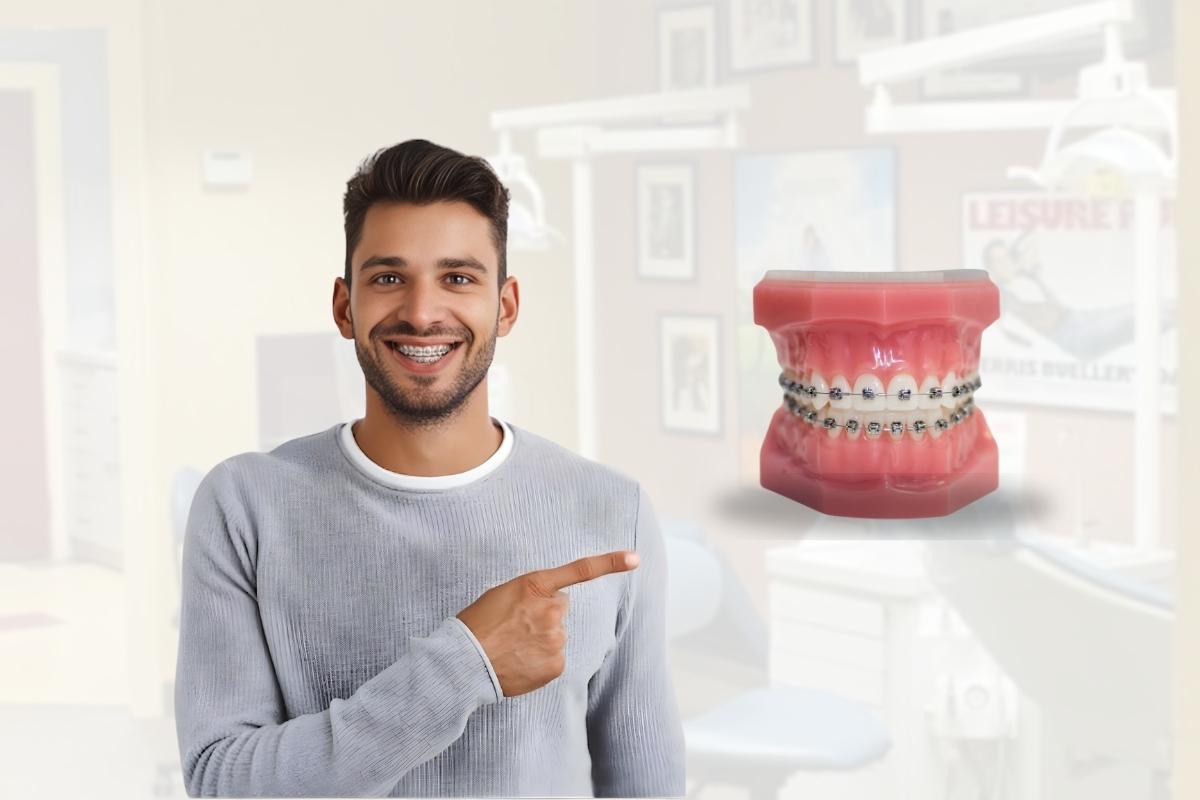
- Traditional Metal Braces: Reliable and effective, these braces use metal brackets and wires to gradually shift teeth into place.
- Ceramic Braces: Similar to metal braces but with tooth-colored brackets for a less noticeable appearance.
- Lingual Braces: Placed on the inside of the teeth, offering a hidden alternative to traditional braces.
- Clear Aligners: Removable, nearly invisible trays that are customized for gentle, step-by-step teeth movement.
The choice of treatment depends on the child’s age, dental needs, and personal preferences. Your orthodontist can recommend the most suitable option based on a thorough evaluation.
The Right Age to Begin Braces
While evaluation can begin around age seven, actual braces are often recommended between ages 8 and 14, depending on the child’s dental development. Starting too early may lead to prolonged treatment, while starting too late can make correction more complicated. Timely intervention allows orthodontists to use growth patterns to achieve optimal results efficiently.
Benefits of Early Orthodontic Treatment
Investing in orthodontic care at the right age provides numerous advantages, including:
- Reduced risk of severe crowding or bite problems
- Shorter and less invasive treatment
- Improved oral hygiene and easier cleaning of teeth
- Enhanced self-esteem and confidence
- Prevention of jaw pain or temporomandibular joint (TMJ) disorders
Early treatment not only creates a healthier smile but can also save time, money, and discomfort in the long run.
Conclusion
Braces for kids can play a vital role in shaping a healthy, confident smile. Early evaluation, careful monitoring, and timely orthodontic intervention can prevent complicated dental issues later in life. If you notice signs of misalignment or want to learn more about treatment options, don’t wait. Schedule an appointment today at 227 North Hammes Avenue, Joliet, IL 60435, and give your child the gift of a lifetime of healthy smiles.
FAQs
1. At what age should my child first see an orthodontist?
The American Association of Orthodontists recommends the first evaluation by age seven, when early signs of misalignment or bite problems can be detected.
2. How long do kids usually wear braces?
Treatment duration varies, but most children wear braces for 18–24 months. Early intervention may shorten treatment time in some cases.
3. Are braces painful for children?
Braces can cause mild discomfort, especially after adjustments, but pain is typically temporary. Modern orthodontic techniques make treatment more comfortable than ever.