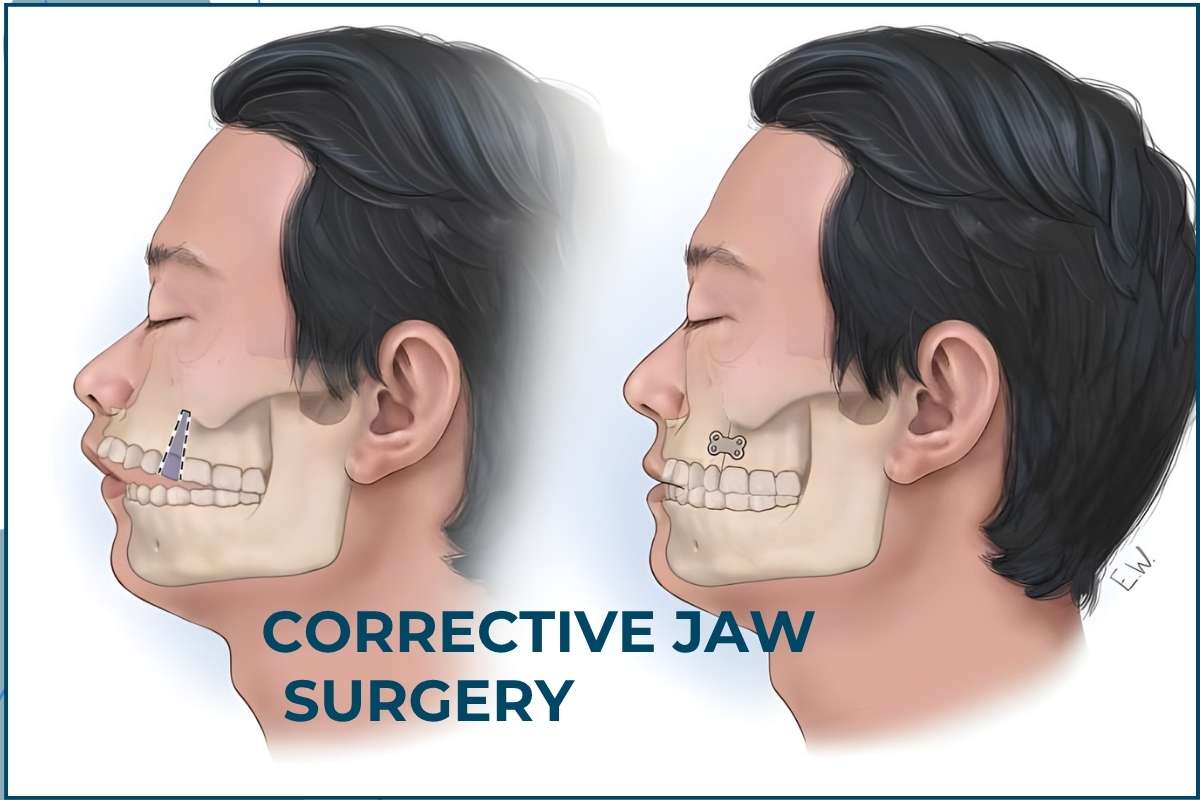
Orthodontic treatment has come a long way, and for many people, braces or clear aligners are enough to straighten teeth and achieve a healthy bite. But what happens when traditional orthodontics isn’t enough? Some patients face complex jaw misalignments or severe bite issues that braces alone cannot correct. In these cases, surgical orthodontics offers a solution, combining orthodontic treatment with corrective jaw surgery to restore both function and facial balance.
In this blog, we’ll take a deep dive into surgical orthodontics, explore the problems it addresses, and explain why it may be the right choice for patients with intricate orthodontic challenges.
What Is Surgical Orthodontics?
Surgical orthodontics, also called orthognathic surgery, is a specialized branch of orthodontics designed to treat jaw and facial irregularities. While braces move teeth into proper alignment, they cannot reposition the jawbone itself. Surgical orthodontics bridges this gap.
By combining precise orthodontic work with corrective jaw surgery, specialists can:
- Correct severe underbites, overbites, or crossbites
- Align the jaws for improved bite function
- Enhance facial symmetry and aesthetics
- Improve speech, chewing, and overall oral health
This approach ensures both long-term functionality and a harmonious facial profile that braces alone cannot achieve.
Why Braces Alone Sometimes Aren’t Enough
Braces are excellent for repositioning teeth, but they cannot address skeletal discrepancies. Some examples include:
- Severe underbite or overbite: When the lower or upper jaw protrudes significantly, teeth alone cannot achieve proper alignment.
- Facial asymmetry: One side of the jaw may be larger or positioned differently, causing uneven facial features.
- Open bite: A condition where the front teeth don’t meet when the mouth is closed, affecting chewing and speech.
- Complex bite issues from injury or congenital conditions: Some patients may have misaligned jaws due to trauma or developmental anomalies.
In these cases, relying solely on braces may lead to incomplete correction, persistent discomfort, or compromised facial aesthetics.
The Surgical Orthodontic Process
Surgical orthodontics is a multi-step process that typically involves both pre-surgical and post-surgical orthodontic treatment.
1. Pre-Surgical Orthodontics
Before surgery, patients wear braces for several months to align teeth properly within each jaw. This step ensures that, once the jaws are repositioned during surgery, the teeth will fit together correctly.
2. Corrective Jaw Surgery
During the surgical phase, an oral and maxillofacial surgeon repositions the upper jaw, lower jaw, or both, depending on the patient’s needs. The surgery may involve:
- Moving the jaw forward or backward
- Correcting asymmetry or vertical discrepancies
- Stabilizing the jaw with plates, screws, or wires
Most procedures are performed under general anesthesia, and recovery usually takes several weeks, with careful monitoring to ensure proper healing.
3. Post-Surgical Orthodontics
After the jaws have healed, braces remain in place for a period to fine-tune the bite and ensure teeth are in optimal alignment. This final phase may last several months, depending on the complexity of the case.
Benefits of Surgical Orthodontics
Patients who undergo surgical orthodontics experience a wide range of benefits:
- Improved bite and chewing function: Restores proper alignment for comfortable eating.
- Enhanced facial aesthetics: Balances the jawline and improves symmetry.
- Better speech: Corrects issues caused by jaw misalignment.
- Long-term oral health: Reduces the risk of abnormal wear, TMJ disorders, and dental complications.
Unlike braces alone, surgical orthodontics addresses both skeletal and dental problems, providing comprehensive and lasting results.
Who Is a Candidate for Surgical Orthodontics?
Surgical orthodontics may be recommended for patients with:
- Severe overbites, underbites, or crossbites
- Open bites or misaligned bites that cannot be corrected with braces
- Jaw asymmetry affecting appearance or function
- Difficulty chewing, speaking, or breathing due to jaw positioning
- Previous orthodontic treatment that didn’t fully resolve jaw issues
A consultation with a specialist in surgical orthodontics is essential. They can evaluate your bite, facial structure, and overall dental health to determine if this treatment is appropriate.
Recovery and What to Expect
Recovery from surgical orthodontics varies depending on the complexity of the surgery. Most patients can expect:
- Mild to moderate swelling for the first few weeks
- A soft diet during initial healing
- Temporary discomfort or soreness
- Regular follow-ups to monitor healing and adjust braces
With proper care and adherence to your orthodontist’s instructions, most patients achieve long-lasting, life-changing results.
When Braces Alone Aren’t Enough, Surgical Orthodontics Can Help
Surgical orthodontics is a transformative solution for individuals facing intricate jaw and bite challenges. By addressing both skeletal and dental issues, it provides functional, aesthetic, and long-term benefits that braces alone cannot deliver.
If you or a loved one struggles with severe bite issues, jaw asymmetry, or complex orthodontic concerns, don’t wait. Expert evaluation is the first step toward a healthier, more confident smile.
Visit us at 218 W Washington St, Morris, IL 60450, and book an appointment today to see if surgical orthodontics is right for you and take the first step toward a life-changing smile!