Orthodontic treatment is often associated with fixing crooked teeth or closing minor gaps, but the scope of orthodontics goes far beyond that. For individuals with complex orthodontic issues—such as severe crowding, jaw misalignment, open bites, deep bites, and impacted teeth—more advanced solutions are required. Fortunately, today’s modern orthodontic technology provides a variety of specialized braces and appliances designed to treat even the most challenging dental conditions.
In this blog, we’ll explore what qualifies as a complex orthodontic issue, the role of advanced braces and appliances, and how orthodontists develop tailored treatment plans to deliver long-lasting, functional, and aesthetic results.
What Are Complex Orthodontic Issues?
Complex orthodontic problems go beyond simple alignment concerns. These issues often involve the bones and muscles that support your teeth and may affect the way your upper and lower jaws align. Common examples of complex orthodontic cases include:
- Severe dental crowding or spacing
- Overbites, underbites, and crossbites
- Open bites and deep bites
- Jaw growth discrepancies (skeletal malocclusions)
- Impacted or missing teeth
- Facial asymmetry
- Cases requiring surgical intervention
These conditions may cause difficulty chewing, speaking, breathing, or even affect facial aesthetics. They often require a multidisciplinary approach, combining orthodontic techniques with oral surgery, prosthodontics, or periodontics.
The Role of Advanced Braces and Orthodontic Appliances
To correct complex orthodontic issues effectively, orthodontists rely on a variety of modern tools that go beyond traditional braces. These devices work together to guide the teeth and jaw into proper alignment over time. Here are some of the most commonly used advanced options:
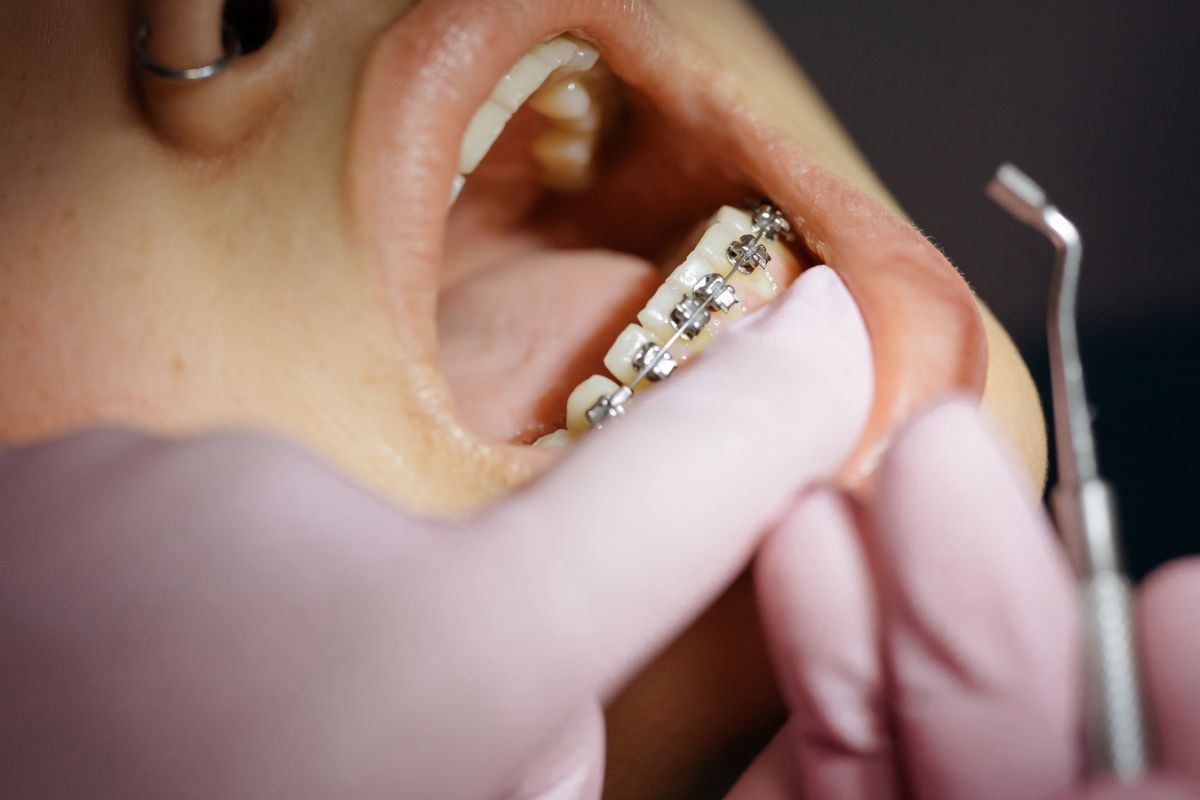
1. Self-Ligating Braces
Unlike traditional braces, self-ligating braces use built-in clips instead of elastic bands to hold the archwire in place. This allows the braces to move teeth more efficiently and with less friction.
Benefits:
- Faster treatment times for complex cases
- Easier to clean, reducing the risk of decay
- Requires fewer orthodontic visits
Self-ligating braces are particularly helpful for patients with severe crowding or difficult tooth rotations.
2. Temporary Anchorage Devices (TADs)
TADs are small, screw-like implants placed temporarily in the bone to serve as anchors for moving teeth in precise directions. They are particularly effective in cases where conventional braces or elastics can’t provide the required force or control.
Ideal for:
- Intruding over-erupted teeth
- Correcting asymmetrical tooth movements
- Closing large gaps or spaces without surgery
TADs can help avoid the need for complex extractions or jaw surgery in certain patients.
3. Palatal Expanders
Used primarily in growing children and adolescents, palatal expanders widen the upper jaw to correct crossbites and severe crowding. By creating more space in the mouth, they allow teeth to align more naturally without extractions.
Best for:
- Crossbite correction
- Creating room for erupting permanent teeth
- Improving breathing by expanding nasal airways
Palatal expansion can significantly reduce the complexity of future orthodontic treatment.
4. Functional Appliances
Functional appliances are removable or fixed devices designed to guide jaw growth and improve bite relationships. These are particularly useful for growing children and teens with skeletal discrepancies.
Examples include:
- Twin Block Appliances: For correcting Class II overbites
- Herbst Appliance: To advance the lower jaw
- Bionators: For promoting proper jaw development
These appliances help reduce the need for future surgical intervention by encouraging balanced jaw development during formative years.
5. Orthognathic Surgery (Jaw Surgery)
In some cases, braces alone cannot resolve the underlying skeletal problems. For adult patients or those with severe jaw misalignments, orthognathic surgery may be necessary. This involves repositioning the upper, lower, or both jaws to achieve a correct bite and facial balance.
Combined with braces, surgery can:
- Improve chewing and speech function
- Enhance facial symmetry and aesthetics
- Relieve jaw pain and TMJ issues
An experienced orthodontist works closely with an oral surgeon to plan and execute treatment for optimal results.
The Treatment Process for Complex Orthodontic Cases
Correcting complex orthodontic issues is a highly personalized process that typically includes the following steps:
1. Comprehensive Evaluation
Orthodontists use digital X-rays, 3D scans, photographs, and physical exams to evaluate your teeth, bite, and jaw structure. A detailed diagnosis is essential for identifying the root causes of the issue.
2. Customized Treatment Plan
Based on the diagnosis, your orthodontist will create a step-by-step treatment plan. This may include one or more orthodontic appliances, surgical consultations, and coordination with other dental specialists.
3. Active Treatment Phase
Braces or other appliances are used to gradually move the teeth and jaws into the desired position. Regular checkups ensure progress is monitored and adjustments are made as needed.
4. Retention Phase
After the active treatment phase, retainers are used to maintain the new alignment and prevent teeth from shifting back.
Benefits of Treating Complex Orthodontic Issues
While complex cases can take longer and require more intensive care, the results are worth it. Proper treatment can provide:
- Improved function: Better chewing, speaking, and breathing
- Enhanced appearance: More balanced facial structure and aligned smile
- Long-term oral health: Reduced risk of gum disease, tooth decay, and TMJ disorders
- Boosted confidence: A smile you’re proud to show off
Ignoring these problems may lead to worsening symptoms or more complicated treatment down the line.
Choosing the Right Orthodontist for Complex Cases
Not all orthodontists are equally equipped to handle complex cases. Look for a provider with:
- Experience in treating severe orthodontic problems
- Access to advanced technology and imaging tools
- Collaborative relationships with surgeons and dental specialists
- A proven track record of successful complex treatments
Reading reviews, viewing before-and-after photos, and scheduling a consultation can help you make the right choice.
Invest in a Smile That Works and Wows
Correcting complex orthodontic issues requires skill, technology, and patience—but the outcome is life-changing. With modern braces and appliances, even the most challenging cases can be treated effectively, restoring not just the beauty of your smile but also the health and functionality of your bite.
If you’ve been told your case is too complicated or you’re unsure where to begin, the first step is finding the right Wilmington orthodontic team.
Take control of your smile and oral health today. Book an appointment now to explore personalized solutions for your complex orthodontic needs!