Bite problems, such as underbites, overbites, crossbites, and open bites, can affect more than just the appearance of your smile. They can impact chewing, speech, oral hygiene, and even overall jaw health. While traditional braces can correct many alignment issues, some severe bite disorders require surgical orthodontics, also known as orthognathic surgery, to achieve the best results.
What Is Surgical Orthodontics?
Surgical orthodontics combines traditional braces or clear aligners with corrective jaw surgery. The procedure is typically performed by an oral and maxillofacial surgeon and is designed to:
- Correct severe bite misalignments
- Improve jaw function
- Enhance facial symmetry
- Support long-term dental health
This combination of orthodontics and surgery ensures not only a beautiful smile but also improved oral function and overall comfort.
How Bite Disorders Affect Your Oral Health
Bite disorders can lead to a variety of problems if left untreated:
- Difficulty chewing or biting properly
- Speech challenges
- Jaw pain and TMJ disorders
- Excessive wear on certain teeth
- Increased risk of tooth decay and gum disease
Surgical orthodontics addresses the underlying skeletal issues that braces alone cannot fix, providing a permanent solution for these problems.
How Surgical Orthodontics Works
The process typically involves several key steps:
- Comprehensive Evaluation
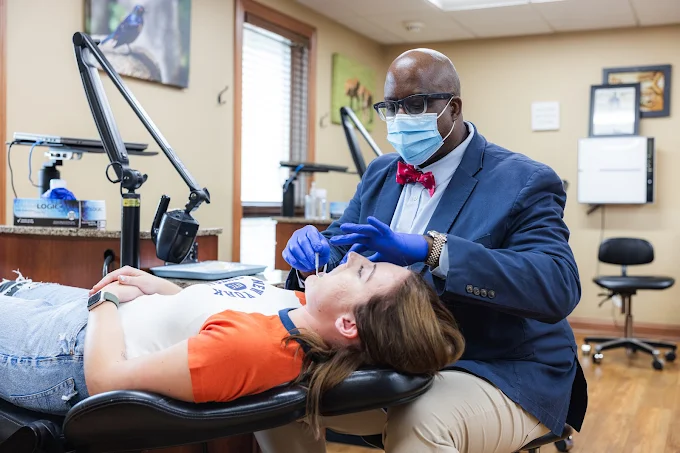
Your orthodontist and oral surgeon will evaluate your bite, jaw alignment, and facial structure using X-rays, 3D imaging, and dental models. - Pre-Surgical Orthodontics
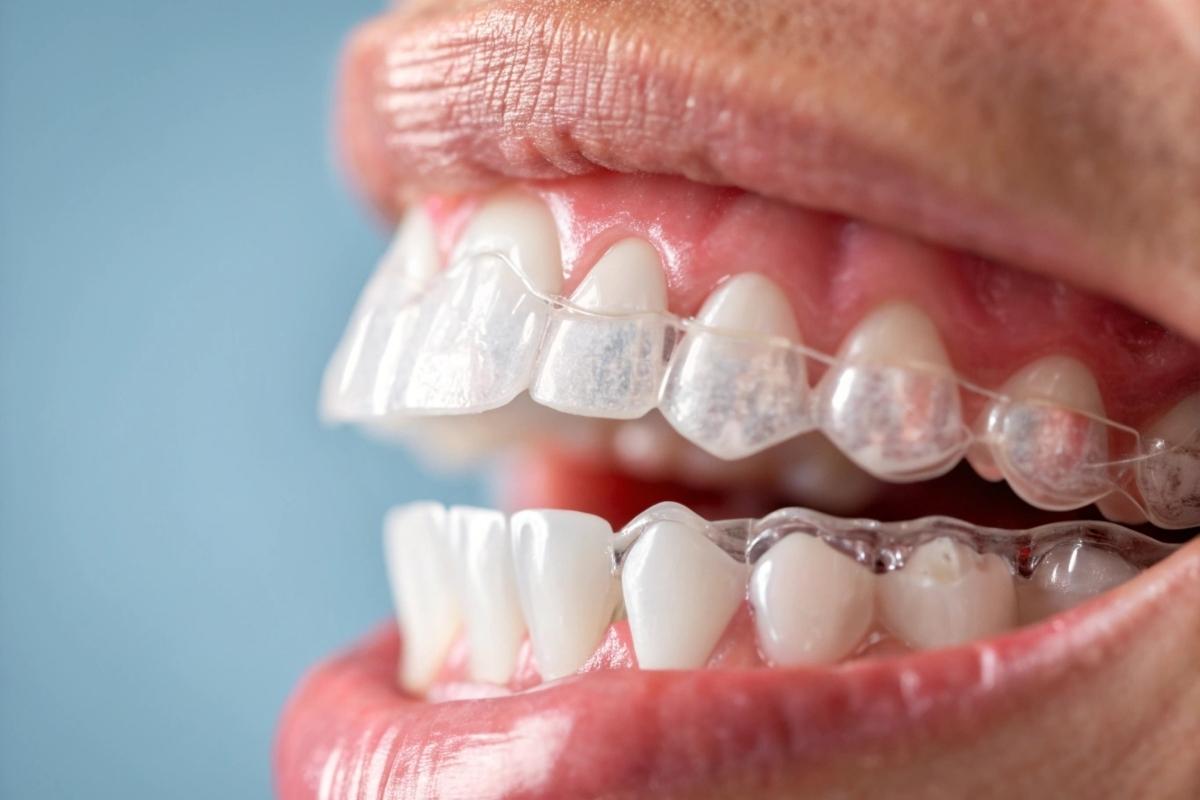
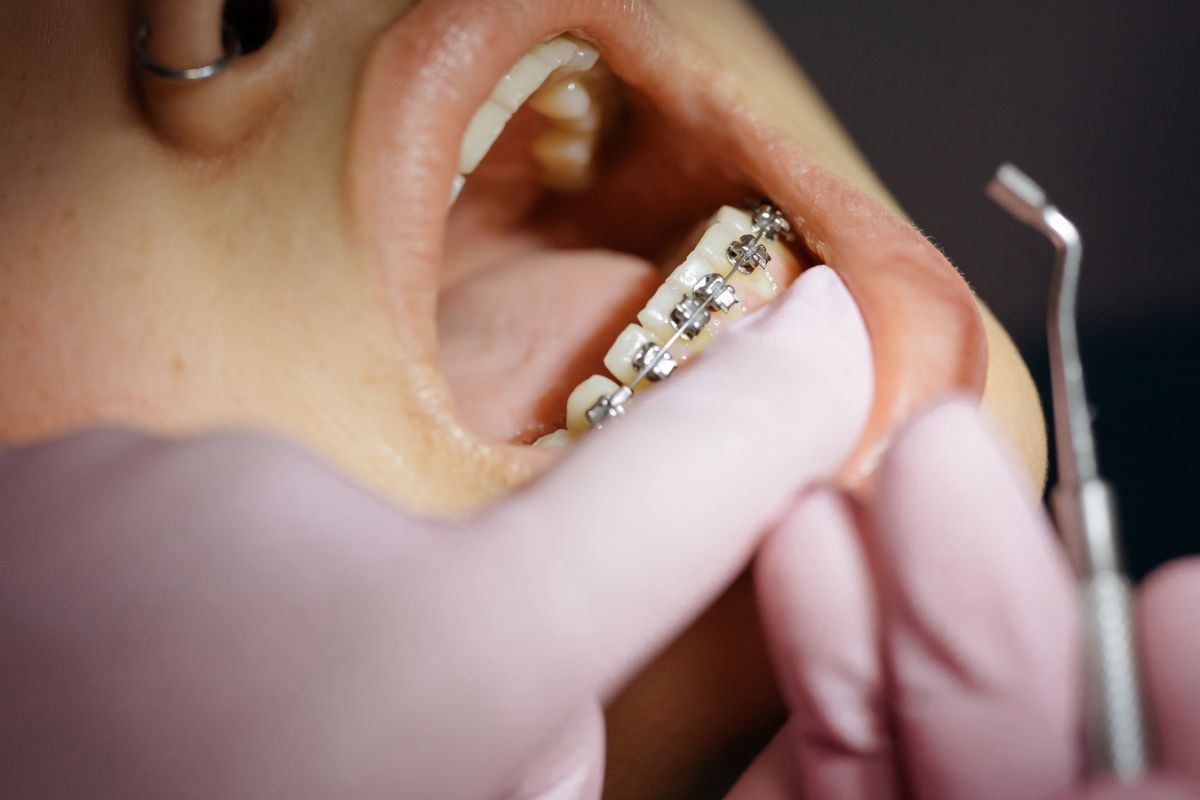
Braces or clear aligners are used to align the teeth properly in preparation for surgery. - Jaw Surgery
The surgeon repositions the upper jaw, lower jaw, or both, depending on your specific bite issue. - Recovery and Healing
After surgery, patients may experience swelling and mild discomfort, which typically subsides within a few weeks. - Post-Surgical Orthodontics
Braces or aligners are used to fine-tune the teeth alignment for a perfect bite and smile.
Benefits of Surgical Orthodontics
Choosing surgical orthodontics can provide a wide range of benefits, including:
- Improved Functionality: Easier chewing, speaking, and jaw movement
- Enhanced Appearance: Balanced facial profile and a more attractive smile
- Long-Term Dental Health: Reduces wear and tear on teeth and prevents TMJ complications
- Boosted Confidence: A straighter smile improves self-esteem and quality of life
Am I a Candidate for Surgical Orthodontics?
Surgical orthodontics may be recommended if you have:
- Severe overbite or underbite
- Crossbite or open bite affecting daily function
- Difficulty chewing or speaking
- TMJ pain or chronic jaw discomfort
- Facial asymmetry related to jaw structure
A consultation with an orthodontist and oral surgeon will determine if surgical orthodontics is the right solution for you.
Surgical orthodontics is a life-changing solution for correcting severe bite disorders and achieving a healthy, confident smile. By combining advanced orthodontic treatment with jaw surgery, patients can enjoy improved function, enhanced appearance, and long-lasting dental health.
If you’re struggling with bite issues or jaw misalignment, don’t wait to take the first step toward a healthier, more confident smile. Book an appointment now to see if surgical orthodontics is the right choice for you.