Temporomandibular joint (TMJ) disorders can cause chronic jaw pain, headaches, and difficulty chewing or speaking—often stemming from a misaligned jaw. If you’re struggling with these symptoms, you might wonder: Can orthodontic treatment help fix TMJ caused by jaw misalignment? The short answer is yes—in many cases, it can.
In this blog, we’ll explore how orthodontics addresses jaw misalignment and TMJ disorders, what treatment options are available, and when it’s the right solution for you.
What Is TMJ Disorder?
The temporomandibular joint (TMJ) connects your lower jaw (mandible) to your skull and allows you to speak, chew, and move your jaw. When the joint or surrounding muscles become inflamed, strained, or misaligned, it results in TMJ disorder (TMD).
Common symptoms of TMJ disorder include:
- Jaw pain or soreness
- Clicking, popping, or grinding sounds
- Headaches or migraines
- Limited jaw movement or locking
- Facial, ear, or neck pain
How Jaw Misalignment Causes TMJ Issues
A misaligned bite (malocclusion) puts excess pressure on the TMJ. This imbalance forces your jaw muscles and joints to work harder to perform normal functions, leading to fatigue, inflammation, and eventually, chronic pain.
Common types of jaw misalignment include:
- Overbite
- Underbite
- Crossbite
- Open bite
If left untreated, jaw misalignment can cause long-term TMJ damage and worsen bite and alignment issues.
Can Orthodontics Correct TMJ from a Misaligned Jaw?
Yes—orthodontic treatment can realign your bite and relieve TMJ-related pain if jaw misalignment is the underlying cause.
Orthodontics works by gently moving your teeth and jaw into the proper position over time. This reduces stress on the TMJ, improves bite function, and helps the muscles and joints return to a balanced state.
Orthodontic Options for TMJ Relief
1. Braces
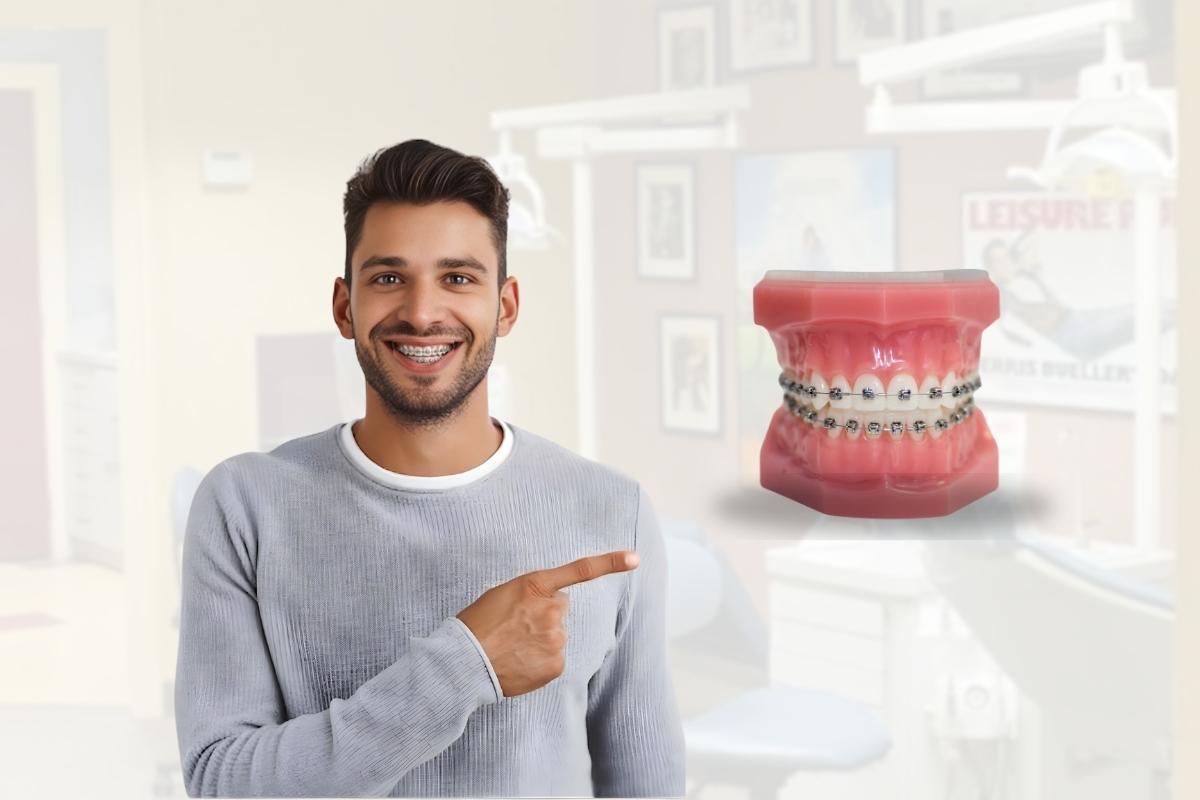
Traditional metal or ceramic braces use brackets and wires to shift teeth and correct jaw alignment. Braces are especially effective for moderate to severe malocclusions, making them a common solution for TMJ caused by jaw misalignment.
2. Invisalign (Clear Aligners)
For mild to moderate misalignment, Invisalign offers a discreet and comfortable alternative to braces. These custom-made, removable aligners gradually move your teeth into a better position and may relieve TMJ pressure over time.
3. Jaw Expanders or Functional Appliances
In growing children and teens, early orthodontic intervention using expanders or functional appliances can guide jaw growth and prevent future misalignment and TMJ problems.
4. Orthognathic Surgery (for severe cases)
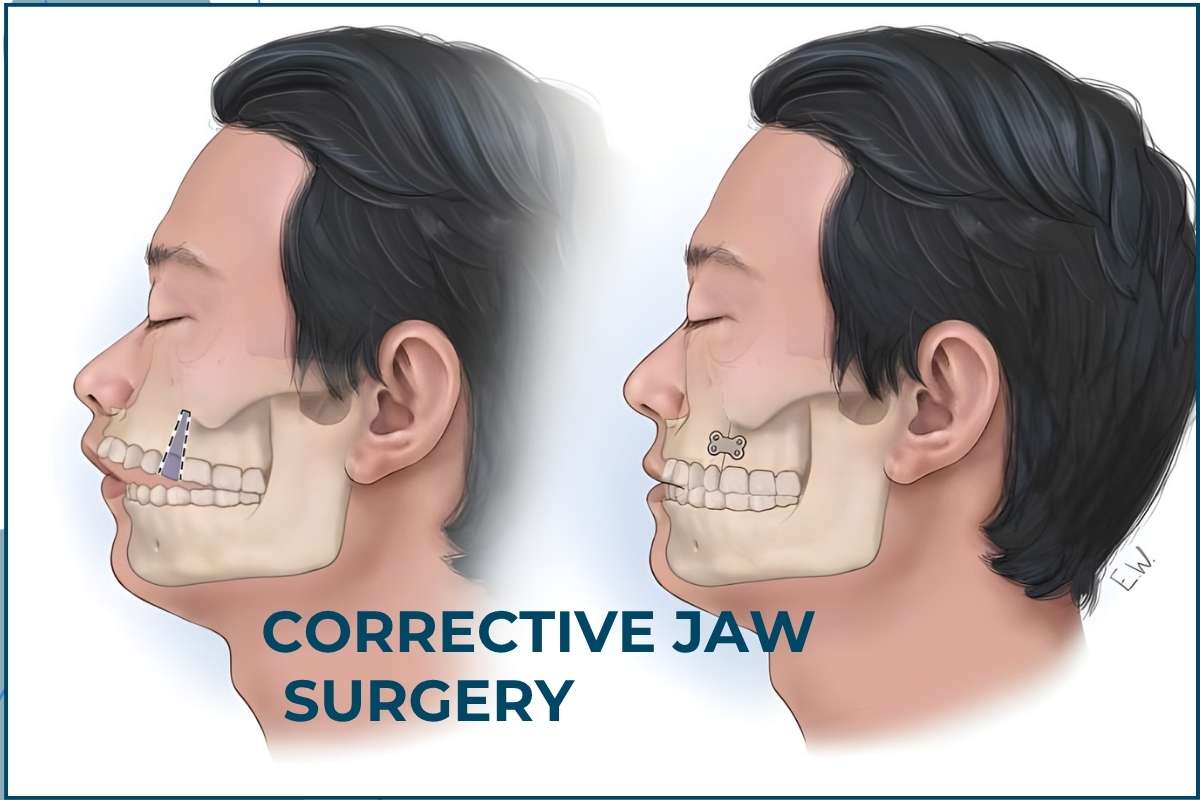
In rare cases where the jaw misalignment is too severe for orthodontics alone, your orthodontist may recommend jaw surgery in combination with braces to correct the skeletal issue and relieve TMJ symptoms.
What to Expect from Orthodontic TMJ Treatment
Your orthodontist or dentist will:
- Examine your bite and jaw alignment
- Evaluate your TMJ symptoms and jaw function
- Use imaging (like X-rays or 3D scans) to assess bone structure
- Develop a personalized treatment plan based on your specific needs
Treatment can take several months to a few years, depending on the severity of the misalignment. The goal is to restore balance, reduce pain, and prevent future TMJ flare-ups.
When Orthodontics Might Not Be Enough
Not all TMJ issues are caused by jaw misalignment. Some TMJ disorders stem from:
- Teeth grinding or clenching (bruxism)
- Arthritis in the joint
- Injury or trauma
- Stress-related muscle tension
In these cases, orthodontics alone may not resolve the problem, but it can still be part of a comprehensive TMJ treatment plan that includes:
- Bite splints or nightguards
- Physical therapy
- Stress management
- Medications or injections
Talk to Your Orthodontist
If you have jaw pain, clicking, or frequent headaches and suspect a misaligned bite is to blame, consult your orthodontist. They can determine whether orthodontics is the right path for your TMJ treatment.
Key takeaway:
Orthodontic treatment can often fix TMJ caused by jaw misalignment—relieving pain, improving function, and giving you a healthier, more comfortable bite.
Ready to find relief from TMJ pain?
Schedule a consultation with your orthodontist to explore treatment options tailored to your unique smile and jaw health.