Temporomandibular joint (TMJ) disorders, commonly known as TMD, affect millions of people and can cause persistent pain in the jaw, face, neck, and even shoulders. These disorders can impact your daily life, making it uncomfortable to eat, speak, or sleep. For many patients, the solution to TMJ discomfort lies not just in medications or mouthguards but in orthodontic treatments.
Orthodontic care focuses on correcting the alignment of your teeth and jaw, which can play a major role in relieving TMJ symptoms. Whether it’s braces, aligners, or other specialized devices, modern orthodontics offers a range of solutions tailored to your specific needs.
Understanding TMJ and How Orthodontics Can Help
The temporomandibular joints are the two joints that connect your lower jaw to your skull, acting as hinges that allow you to open and close your mouth. TMJ disorders can develop due to injury, arthritis, teeth grinding (bruxism), misalignment of the jaw, or stress. Common symptoms include
- Jaw pain or tenderness
- Clicking, popping, or locking of the jaw
- Headaches or migraines
- Facial pain or pressure
- Earaches or ringing in the ears
- Difficulty chewing or speaking
Many TMJ issues are linked to malocclusion—a misalignment of the teeth and bite. This is where orthodontic treatment comes in. Orthodontic care can correct the alignment of the jaw and teeth, which helps distribute pressure evenly, reduces strain on the joint, and alleviates symptoms over time.
If you’re exploring orthodontics in New Lenox, local orthodontists can evaluate your bite and jaw structure to determine whether misalignment is contributing to your TMJ symptoms and how orthodontic treatment could help.
Braces for TMJ Relief
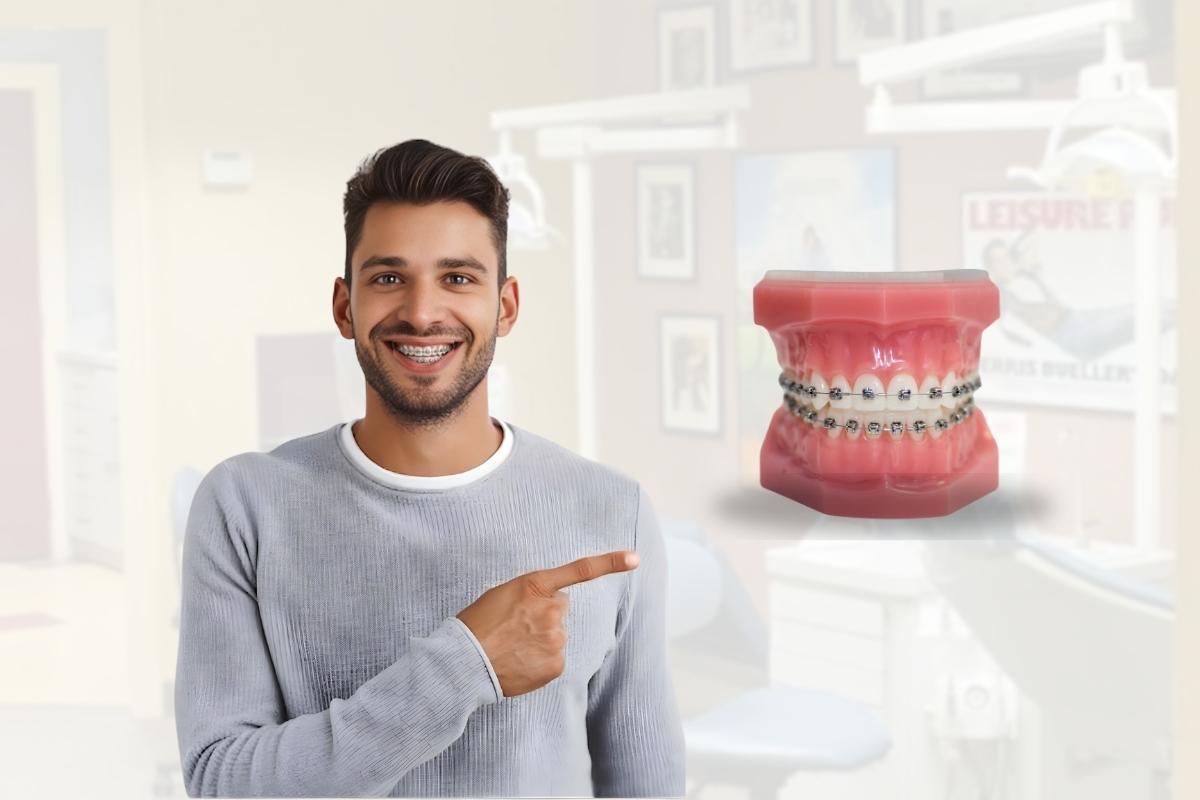
Traditional metal braces have long been used to straighten teeth and correct bite problems, making them an effective option for addressing TMJ disorders caused by jaw misalignment. By gradually shifting the teeth and realigning the bite, braces can improve the way the upper and lower jaws meet.
Braces may be especially beneficial if your TMJ symptoms are caused by:
- An overbite, underbite, or crossbite
- Crowded or gapped teeth
- A narrow jaw or improper bite alignment
Orthodontists can customize your braces treatment plan to target your unique jaw position and bite issues. As your alignment improves, the strain on the TMJ can decrease, often leading to a significant reduction in pain and tension.
Clear Aligners: A Subtle Solution for Jaw Alignment
For patients seeking a more discreet treatment option, clear aligners like Invisalign® have become a popular alternative to traditional braces. These transparent, removable trays are custom-designed to gradually shift your teeth into a healthier position.
Aligners are a great choice for TMJ patients who:
- Want a less visible option than braces
- Prefer removable appliances for better oral hygiene
- Need minor to moderate bite correction
Clear aligners can be used to fix overbites, underbites, and open bites, all of which may contribute to TMJ pain. Because the trays are smooth and non-invasive, they also reduce irritation to the gums and cheeks, which can be beneficial if your jaw is sensitive due to TMD.
It’s important to note that clear aligners may not be suitable for all TMJ cases. Severe malocclusion or complex jaw issues might require more comprehensive orthodontic treatment.
Other Orthodontic Solutions for TMJ
While braces and aligners are the most commonly recognized orthodontic treatments, several other specialized approaches can help manage TMJ disorders, especially in more complex or severe cases.
1. Functional Appliances
Functional appliances are often used in growing children and teens to guide jaw development and alignment. These devices can also be helpful in correcting improper jaw positioning contributing to TMJ symptoms.
2. Splint Therapy
Orthodontic splints or bite guards are custom-made devices that help stabilize the jaw and reduce pressure on the TMJ. These are typically worn at night and may be used alongside other treatments like braces or aligners.
3. Palatal Expanders
For patients with a narrow upper jaw or crowded teeth, palatal expanders can help widen the dental arch and improve overall jaw function, which may alleviate TMJ tension.
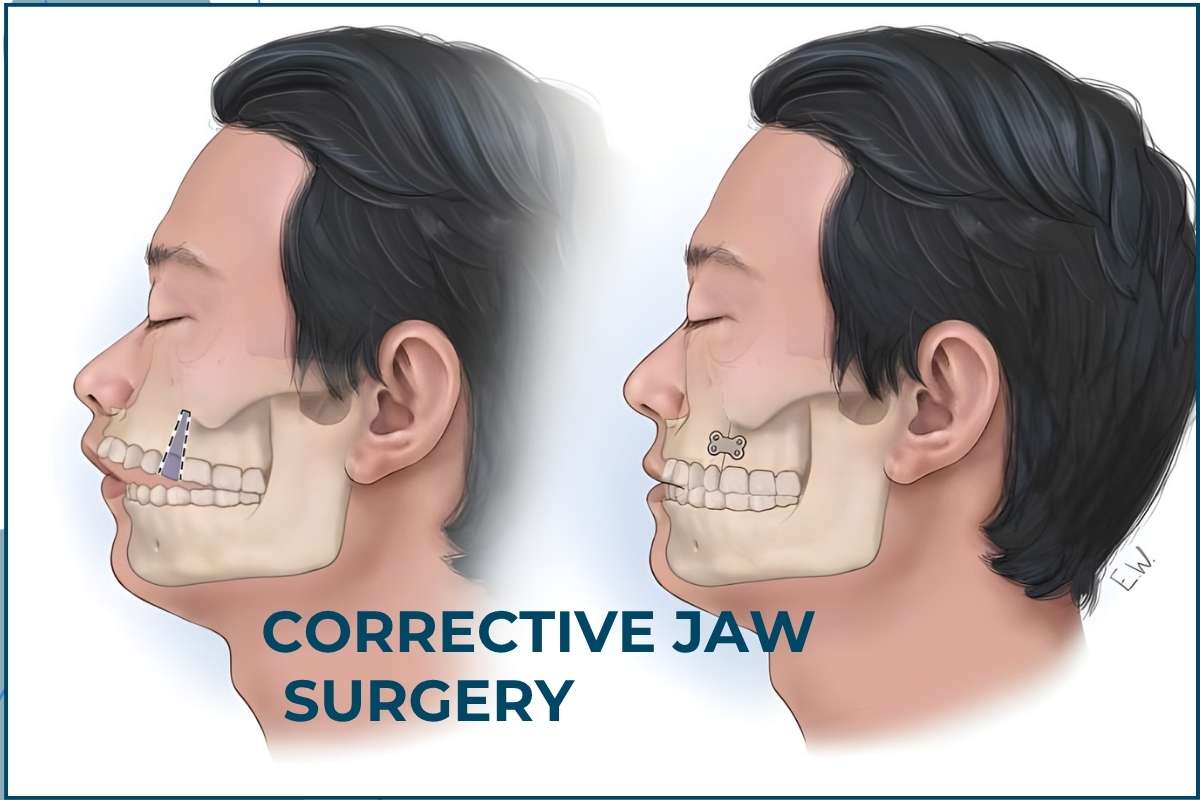
4. Jaw Surgery (Orthognathic Surgery)
In severe cases where orthodontics alone cannot correct the problem, surgical intervention may be required to reposition the jaw. This is typically a last resort when non-surgical methods have not provided relief.
Benefits of Orthodontic Treatment for TMJ
Correcting your bite with orthodontic care does more than straighten teeth—it can help resolve chronic pain, reduce muscle strain, and protect your teeth from further damage caused by grinding or clenching. Here are some benefits of orthodontic treatment for TMJ:
- Pain Reduction: As your bite becomes properly aligned, tension in the jaw and surrounding muscles typically lessens, reducing discomfort.
- Improved Function: With your jaw in a healthier position, it becomes easier and more comfortable to chew, speak, and open your mouth.
- Long-Term Relief: Orthodontic treatment provides a permanent structural fix rather than just masking symptoms with short-term solutions.
- Better Oral Health: Proper alignment also reduces wear and tear on teeth and helps you maintain better oral hygiene.
What to Expect During Treatment
If you’re considering orthodontic treatment for TMJ, the first step is a thorough evaluation by an orthodontist or dental specialist. This will include:
- A physical exam of your jaw and bite
- Imaging tests such as X-rays or 3D scans
- A discussion of your symptoms and medical history
Based on the findings, your orthodontist will create a treatment plan that may involve braces, aligners, or a combination of therapies. The length of treatment varies depending on the severity of the misalignment and the chosen method but typically ranges from several months to a few years.
During treatment, you’ll have regular appointments to track progress, make adjustments, and ensure your jaw is moving into the correct position. As your alignment improves, you may notice gradual relief from TMJ symptoms.
Is Orthodontic Treatment Right for Your TMJ?
While not every TMJ case can be solved through orthodontics, many patients find lasting relief through bite correction. If your TMJ is linked to issues such as a misaligned bite or jaw structure, orthodontic treatment may be one of the most effective paths forward.
It’s also worth noting that TMJ symptoms can be complex and multifactorial. Your orthodontist may work closely with other dental or medical professionals, such as a physical therapist, oral surgeon, or sleep specialist, to develop a holistic treatment plan that addresses all contributing factors.
Find Relief Through Expert Orthodontic Care
Living with TMJ pain can affect every aspect of your life, but effective treatment is within reach. Orthodontic solutions—ranging from braces and clear aligners to splints and surgical interventions—can dramatically improve jaw alignment, function, and comfort.
Schedule an appointment today with a trusted orthodontic provider to explore your options for TMJ relief. With the right diagnosis and customized care plan, you can enjoy better function, reduced pain, and a healthier smile for the long term.