Orthodontic treatment goes beyond just straightening teeth with braces or clear aligners. In some cases, correcting severe jaw misalignment requires surgical orthodontics, also known as orthognathic surgery. This procedure is performed by an oral and maxillofacial surgeon in conjunction with an orthodontist to correct issues that cannot be resolved with braces alone. But how do you know when jaw surgery is necessary? Let’s explore the signs, benefits, and what to expect from the process.
What Is Surgical Orthodontics?
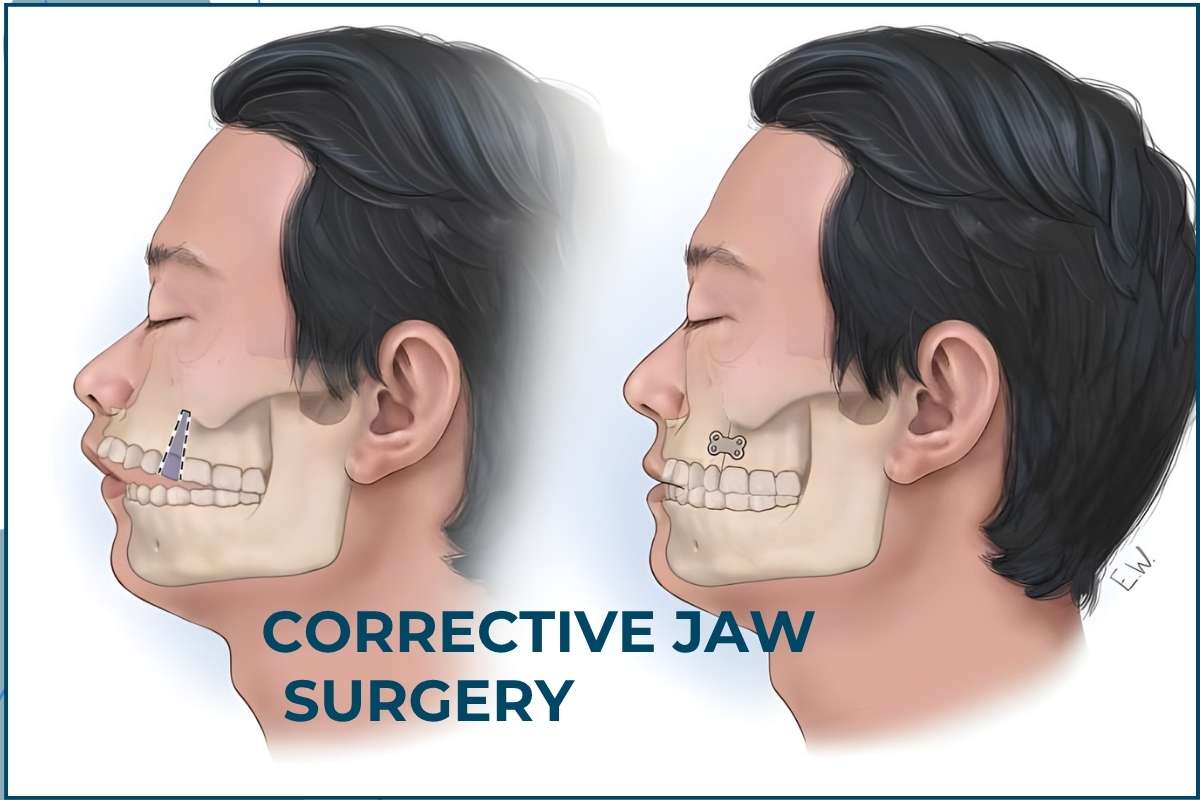
Surgical orthodontics, or orthognathic surgery, is a corrective jaw procedure aimed at fixing severe skeletal and dental irregularities such as misaligned jaws, improper bites, and facial asymmetry. The surgery improves both functionality and aesthetics, enhancing a patient’s ability to chew, speak, and breathe properly.
Orthognathic surgery is usually recommended for patients whose jaw growth has stopped—typically around age 16 for females and 18 for males. Before surgery, orthodontic treatment (such as braces) is used to align the teeth so that they fit correctly once the jaw is repositioned.
Signs That You May Need Jaw Surgery
Not everyone with a misaligned bite requires surgery, but if you experience any of the following issues, you may be a candidate for surgical orthodontics:
- Severe Overbite or Underbite: When the upper or lower jaw significantly extends beyond the other, causing difficulty in chewing or speaking.
- Open Bite: A condition where the front teeth do not touch when the back teeth are closed, affecting speech and eating.
- Jaw Pain and TMJ Disorders Persistent jaw pain, clicking, or difficulty moving the jaw could indicate a skeletal misalignment.
- Facial Asymmetry: Uneven jaw growth leading to a noticeable imbalance in the face.
- Breathing Issues or Sleep Apnea: A misaligned jaw can cause airway obstruction, leading to breathing difficulties, snoring, or sleep apnea.
- Difficulty Chewing or Biting: If your teeth do not meet properly, it can make eating difficult and even painful.
- Receding or Protruding Jaw: A lower jaw that is set too far back or forward can impact facial aesthetics and function.
- Speech Difficulties: Some jaw misalignments can contribute to lips or other speech impediments.
The Surgical Orthodontic Process
If your orthodontist and oral surgeon determine that jaw surgery is necessary, here’s what you can expect:
1. Pre-Surgical Orthodontics
- Before surgery, you will wear braces or aligners for 12–18 months to move your teeth into the correct position.
- This ensures that once the jaw is repositioned, the teeth will align properly.
2. The Surgery
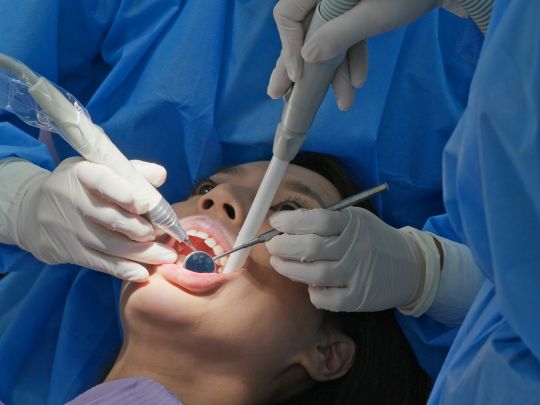
- The surgery is performed under general anesthesia and can take several hours, depending on the complexity of the case.
- The surgeon makes incisions inside the mouth to avoid visible scars and repositions the jaw using plates, screws, or bone grafts.
3. Recovery Period
- Initial healing takes about 6 weeks, but full recovery can take several months.
- Patients may experience swelling, discomfort, and a temporary change in speech or eating habits.
- A soft food diet is usually recommended during the early stages of healing.
4. Post-Surgical Orthodontics
- After the jaw has healed, additional orthodontic treatment is required for several months to fine-tune the bite.
- Retainers may be necessary to maintain long-term results.
Benefits of Jaw Surgery
While the recovery process may seem extensive, the benefits of surgical orthodontics are significant, including:
- Improved Bite and Chewing Ability: Teeth meet correctly, allowing for better function.
- Enhanced Facial Appearance: Jaw alignment enhances facial symmetry and aesthetics.
- Relief from TMJ Pain: Reduced jaw discomfort and tension headaches.
- Better Breathing and Sleep Quality: Helps in cases of sleep apnea and breathing issues.
- Boosted Confidence: A balanced smile and facial profile can enhance self-esteem.
Is Jaw Surgery Right for You?
If you’re struggling with severe jaw misalignment, persistent discomfort, or difficulty eating and speaking, consult an orthodontist to assess whether orthognathic surgery is the best solution. While it is a major procedure, the long-term benefits often outweigh the short-term inconvenience of surgery and recovery.
Surgical orthodontics is a life-changing treatment for many patients, offering both functional and cosmetic improvements that can dramatically enhance their quality of life. If you suspect you may need jaw surgery, scheduling a consultation with an orthodontic specialist is the first step toward achieving a healthier, more balanced smile.