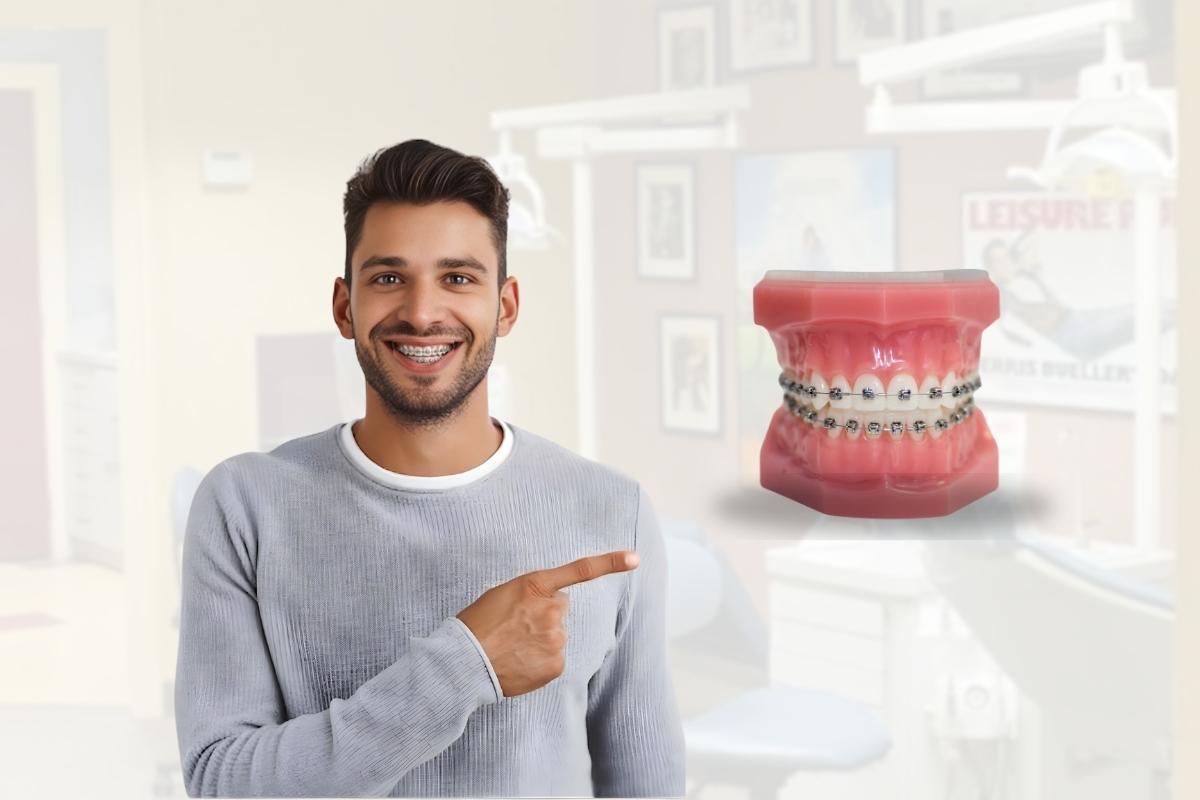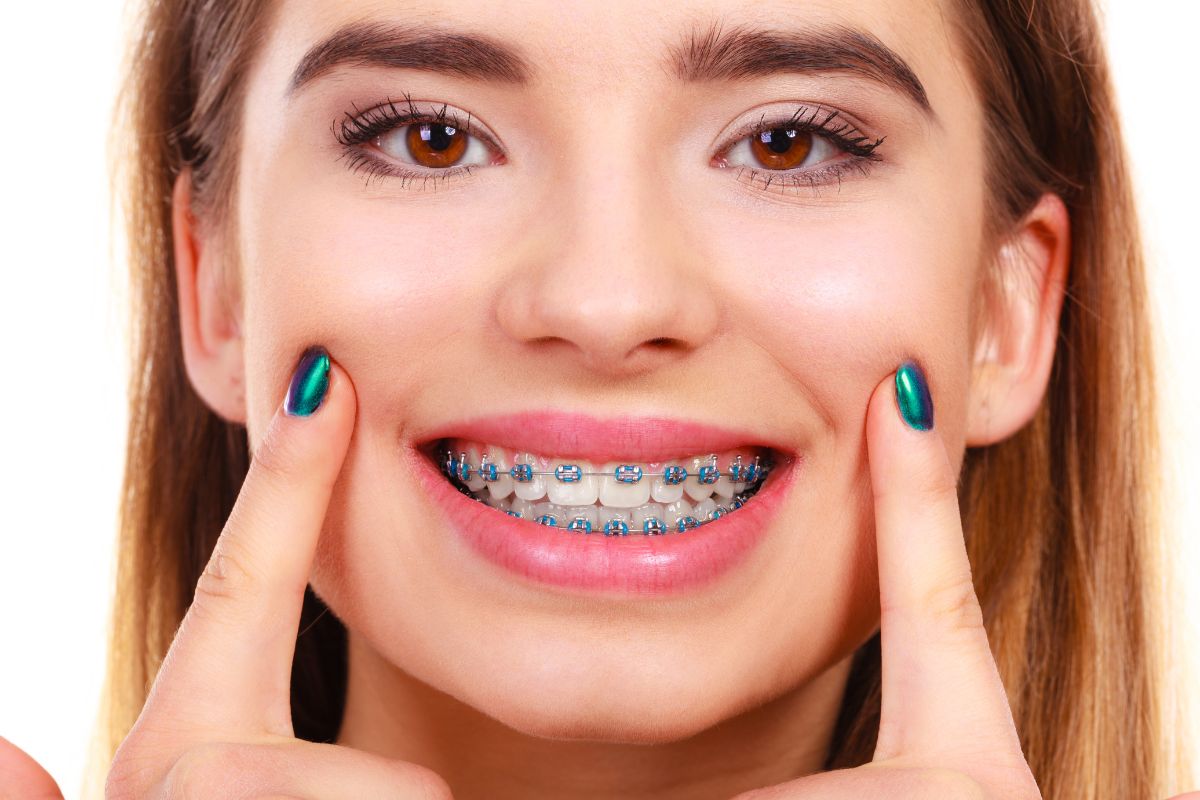
Getting traditional braces is a big step toward achieving a beautiful, healthy smile. However, without proper care, they can lead to issues like cavities, gum irritation, or even damage to the braces themselves. So, how do you keep your braces in top condition at home? In this blog, you will get to know some effective care tips to keep your orthodontic appliances in top condition.
Brushing Routine: Keeping Your Braces Clean and Healthy
Brushing with braces requires a little extra effort, but it’s crucial for preventing plaque buildup and maintaining good oral hygiene.
- After each meal, use a soft-bristled toothbrush and fluoride toothpaste to brush your teeth. This helps remove food particles that get stuck in your braces.
- Hold your toothbrush at a 45-degree angle to clean around the brackets and gumline.
- Use gentle circular motions to brush all surfaces of your teeth and braces.
- Brush for at least two minutes to ensure a thorough clean.
- If possible, use an electric toothbrush for better plaque removal.
- Don’t forget to brush your tongue to get rid of bacteria that cause bad breath.
Flossing: Reaching Those Tricky Spots
Although it might be a bit challenging to floss with braces, this is an important step in your oral care routine.
- Use a floss threader to help navigate the floss between your teeth and under the wires with ease. Thread the floss gently between each tooth to avoid snapping or damaging your braces and gums.
- Navigate the floss carefully around each bracket in such a manner that it does not rub underneath the wires between every tooth too hard. Continue using a soft up-and-down motion between every tooth to expel food bits and plaque. Do not press too aggressively, as that may cause problems with your orthodontics or gum irritation.
- Flossing at least once a day, preferably before bedtime, will help keep your gums healthy and prevent plaque buildup. This habit prevents food and bacteria buildup around braces, lowering the risk of cavities and gum inflammation.
- Use orthodontic floss or a water flosser for easier, more effective cleaning, especially if traditional flossing is difficult. Water flossers help to remove food debris and plaque from hard-to-reach places. In contrast, orthodontic floss is designed specifically to dart around brackets and wires.
Foods to Avoid: Protecting Your Braces from Damage
Certain foods can damage your braces and may lead to unexpected trips to the orthodontist. To keep your treatment on track, avoid:
- Hard foods like nuts, ice, and hard candy can break brackets or wires.
- Sticky foods like caramel, gummy candies, and taffy can get stuck in your braces.
- Chewy foods like tough meats, jerky, and popcorn can loosen brackets.
- Sugary drinks, like soda and fruit juice, can increase the risk of cavities.
Other Important Considerations: Extra Care for a Smooth Experience
Beyond brushing and flossing, there are a few more ways to ensure your braces stay in great shape.
- Check your braces regularly. Look for any loose brackets, broken wires, or poking wires. If you notice any issues, contact your dentist immediately.
- Use dental wax: If a wire irritates your gums, apply a small amount of dental wax to the affected area for relief.
- Rinse with mouthwash: An antibacterial mouthwash will kill bacteria and help prevent infection around your braces.
- Stay hydrated: drink a lot of water and wash your food particles off regularly to keep your mouth fresh.
Taking care of traditional braces at home can be a little more demanding, but the results are worth it all! As long as you have good oral hygiene habits, avoid food that damages your orthodontics, and attend early to any problems, the process of straightening your teeth is a much smoother ride. Want tailored advice? Consult with a reliable orthodontist now and keep your smile bright and healthy!