Orthodontic braces have been a tried-and-true method for straightening teeth and correcting bite issues for decades, especially during the teenage years. Teenagers are often the ideal candidates for braces, as their jaws and teeth are still developing, making orthodontic treatment more effective. While options like clear aligners are growing in popularity, traditional braces remain a top choice for many teens.
In this blog, we’ll explore why orthodontic braces are a great option for teenagers, highlighting the benefits and what makes them particularly effective during these formative years.
1. Optimal Timing for Treatment
The teenage years, typically between ages 12 and 16, are the perfect time to begin orthodontic treatment. During this phase, most permanent teeth have erupted, but the mouth is still growing. This allows orthodontists to guide teeth and jaw development more easily than in adulthood.
Braces can correct a wide range of dental issues during this time, including:
- Crowding of teeth
- Gaps between teeth
- Overbite, underbite, and crossbite
- Jaw alignment problems
Since the bones are still relatively pliable, braces can move the teeth and realign the bite more efficiently and quickly than if treatment were delayed until adulthood.
2. Comprehensive and Precise Treatment
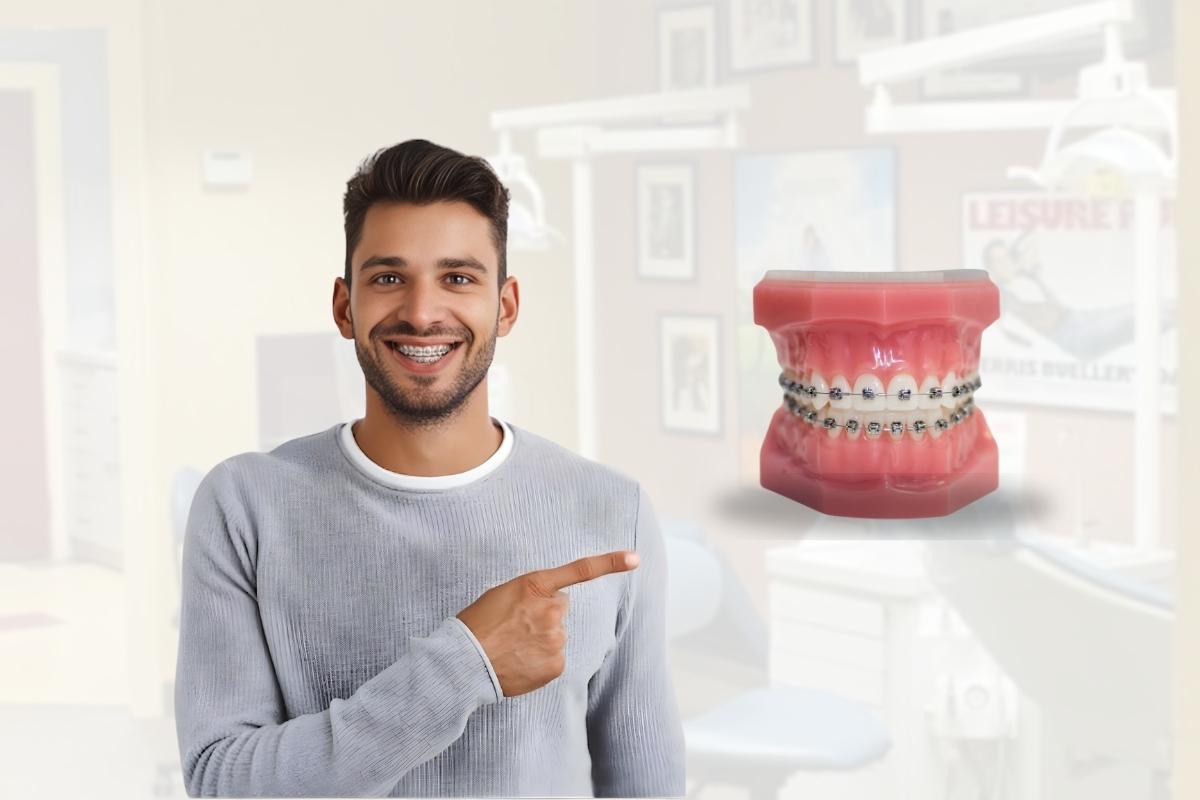
Braces provide a high level of control when it comes to tooth movement. Orthodontists can adjust the wires and brackets to move teeth precisely into their desired position. This level of customization ensures that every tooth is shifted correctly, leading to long-term, lasting results.
Unlike clear aligners that require teens to switch trays themselves, braces are adjusted regularly by an orthodontist, ensuring that the treatment stays on track. This hands-on care can make a significant difference in achieving the best possible outcome.
3. Effective for More Complex Cases
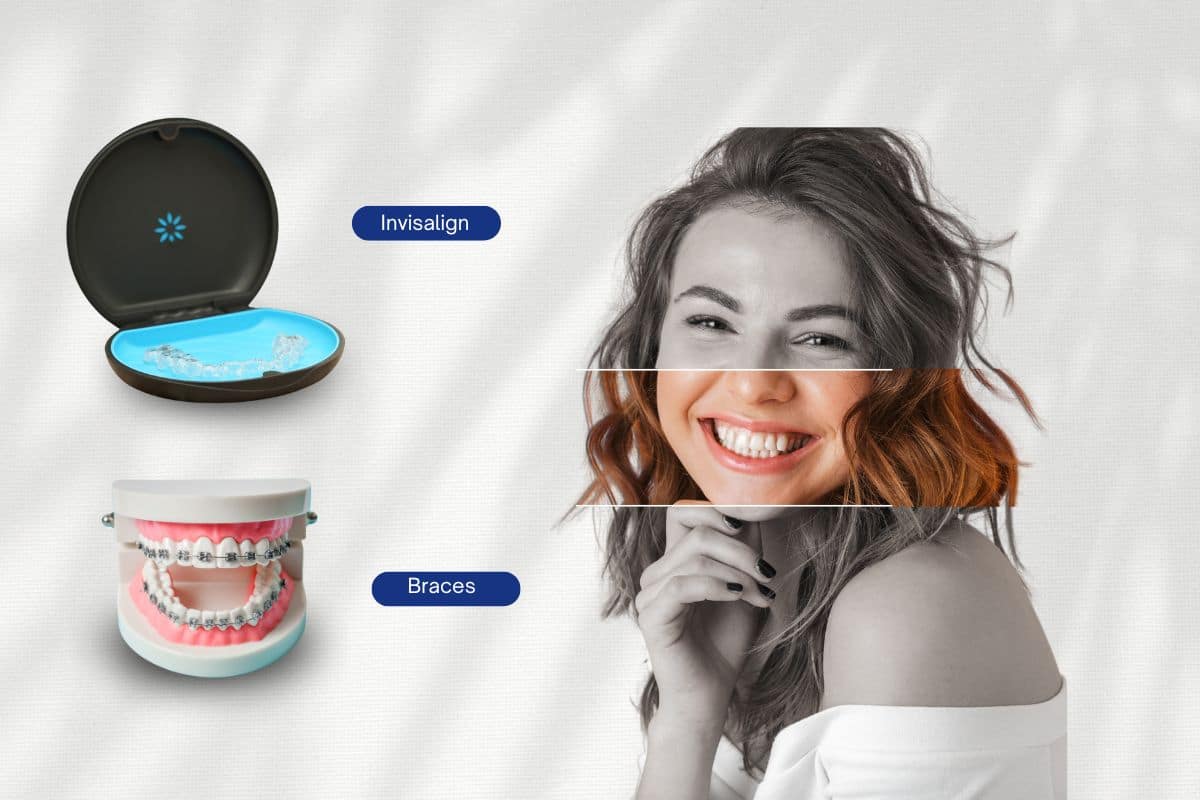
While clear aligners like Invisalign have become popular, braces are still the preferred option for more complex orthodontic cases. For teenagers with significant alignment issues, severe crowding, or jaw discrepancies, braces are often the best solution.
Braces can handle:
- Major tooth rotations
- Teeth that are severely out of place
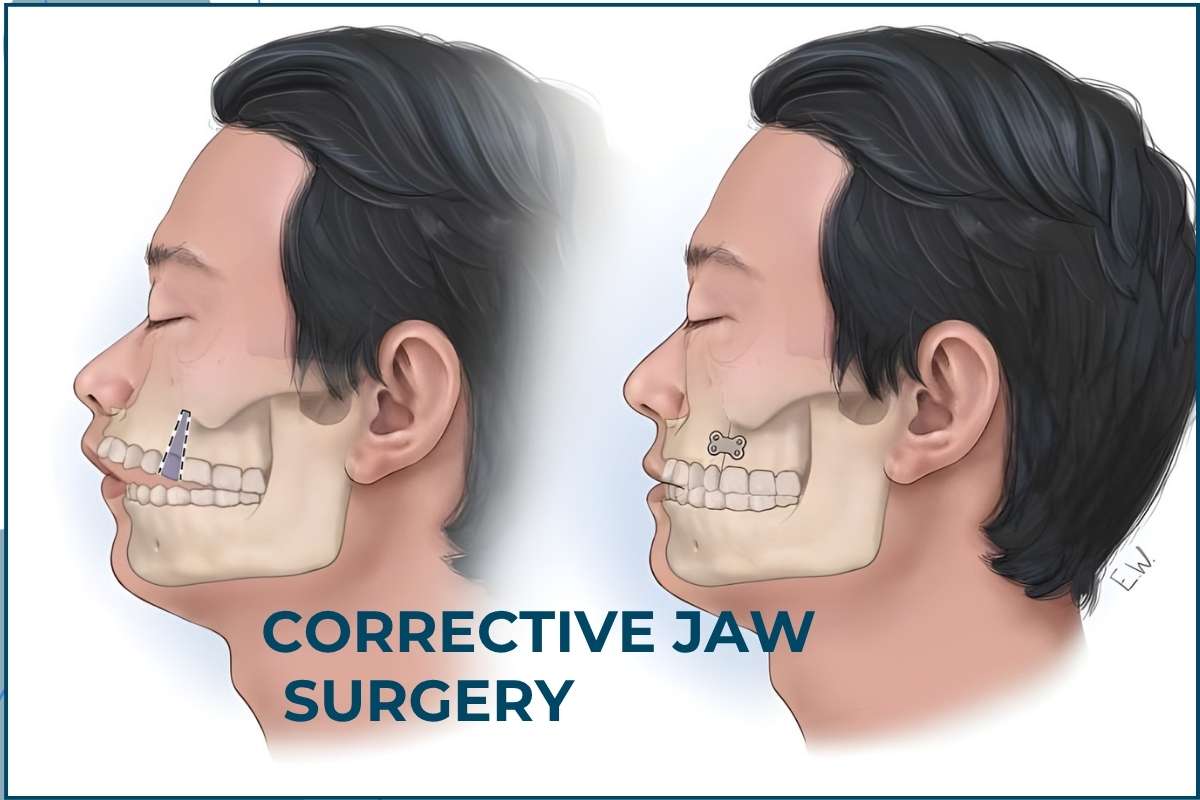
- Bite problems that require jaw realignment
- Teeth that need to be moved vertically
Orthodontists have more flexibility to address these issues with traditional braces than with other orthodontic appliances, making them a reliable choice for teens with more advanced dental concerns.
4. Durability and Consistency
Teenagers are busy, active, and, let’s face it, sometimes forgetful. One major advantage of braces is that they are fixed appliances—teens can’t lose them or forget to wear them. Unlike clear aligners, which require discipline to wear 20-22 hours a day, braces are attached to the teeth, providing constant treatment without the need for daily responsibility.
For teens involved in sports, dance, or other physical activities, braces are durable and can withstand the rigors of an active lifestyle. With appropriate protective gear, like mouthguards, braces won’t hinder their activities and are less likely to be damaged compared to removable options.
5. Variety of Options for Personalization
Braces have evolved over the years, and now there are more options than ever to make wearing them fun and personalized for teens. The days of only having traditional metal braces are long gone. Now, teenagers can choose from various styles, including:
- Metal Braces: Classic, durable, and the most affordable option. Teens can choose colored bands to personalize their braces, making them feel more fashionable and less intimidating.
- Ceramic Braces: Clear or tooth-colored braces that blend in with the natural teeth, offering a more discreet option for teens who may be self-conscious about their appearance.
- Lingual Braces: These braces are attached to the back of the teeth (on the tongue side) and are completely invisible from the front, providing an excellent choice for teens who want to avoid the appearance of braces altogether.
These options allow teenagers to feel more in control of their appearance, making the orthodontic journey more enjoyable and less stressful.
6. Boosting Confidence and Oral Health for the Future
While many teens may initially feel apprehensive about getting braces, the long-term benefits far outweigh the temporary discomfort or inconvenience. A straight, healthy smile can boost a teenager’s self-esteem and confidence, especially as they head into young adulthood. Knowing that they will have a beautiful smile can be a powerful motivator during the treatment process.
In addition to aesthetic benefits, straight teeth are easier to clean and maintain. Misaligned or crowded teeth can make brushing and flossing difficult, increasing the risk of cavities, gum disease, and other oral health issues. Braces help correct these problems, making it easier for teenagers to maintain good oral hygiene and avoid more serious dental problems in the future.
7. Long-Lasting Results
Orthodontic treatment during the teenage years typically leads to long-lasting results. Once the teeth are properly aligned, and the bite is corrected, teens can enjoy the benefits of a healthy smile for a lifetime. Most orthodontists will recommend the use of retainers after braces to maintain the new tooth alignment, but with proper care and follow-up, the results will be permanent.
The ability to achieve these long-lasting results early in life means teens can avoid more complicated dental treatments as adults, such as corrective surgeries or extensive orthodontic work later on.
Orthodontic braces remain a fantastic choice for teenagers due to their effectiveness, durability, and ability to treat a wide range of dental issues. The teenage years are the perfect time for orthodontic treatment, as the mouth is still developing, allowing braces to work more efficiently.
Whether your teen needs to correct crowding, gaps, or bite alignment issues, braces can provide a precise, comprehensive solution. While there are alternative treatments like Invisalign, braces continue to offer superior control and versatility for more complex cases.
If you’re considering braces for your teenager, schedule a consultation with an orthodontist. They will assess your teen’s dental needs and help you decide on the best treatment option for achieving a healthy, beautiful smile that will last a lifetime!