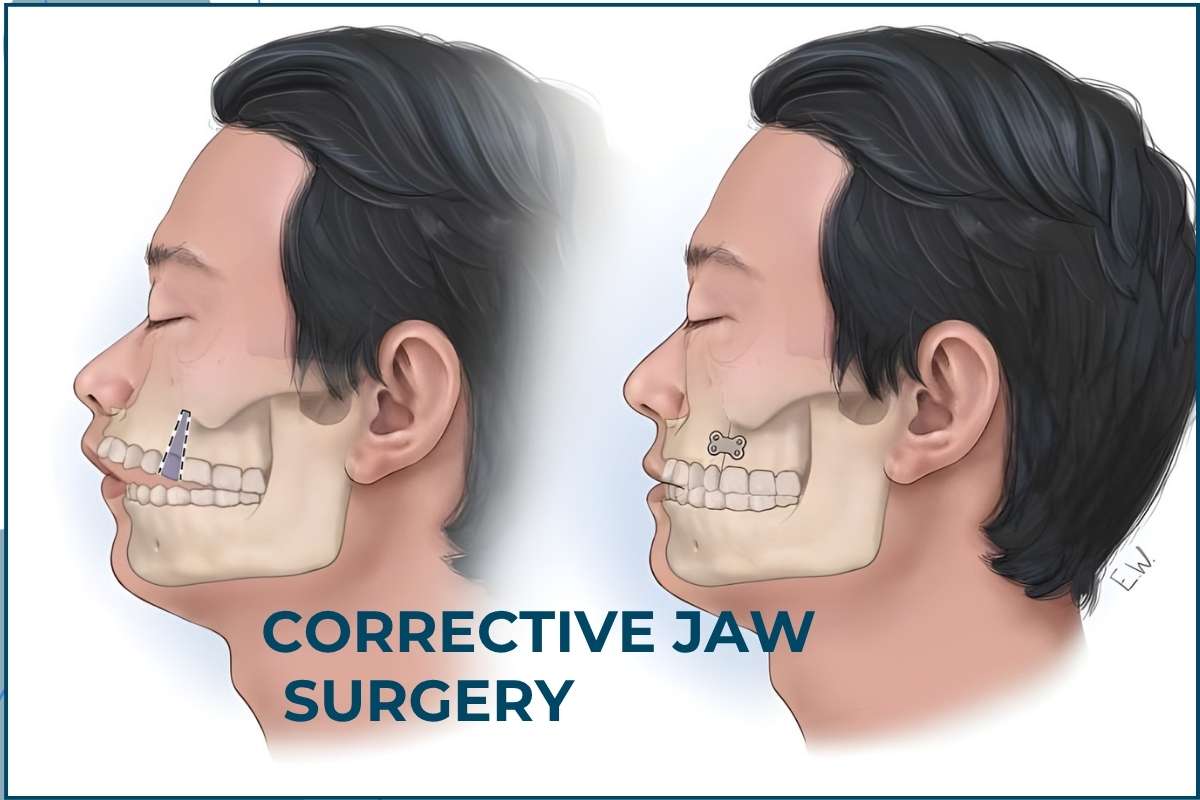
Orthodontic treatment, such as braces or aligners, can transform your smile and improve oral health by correcting misaligned teeth and bite issues. While orthodontic appliances play a crucial role in achieving straighter teeth, the foods you consume also significantly impact the success of your treatment. In this blog, we’ll explore why diet is important in orthodontics and provide tips for maintaining a healthy diet during orthodontic treatment.
Impact on Oral Health
Diet plays a crucial role in maintaining oral health, especially during orthodontic treatment. Certain foods can increase the risk of dental problems such as cavities, gum disease, and enamel erosion, which can compromise the effectiveness of orthodontic treatment. Sugary and acidic foods, in particular, can contribute to these issues and should be consumed in moderation.
Minimizing Damage to Braces or Aligners
Orthodontic appliances, such as braces or aligners, are designed to gradually move teeth into the desired position. However, certain foods can damage or dislodge these appliances, prolonging treatment time and potentially causing discomfort. Hard, sticky, or chewy foods should be avoided to prevent damage to braces brackets, wires, or aligners. Instead, opt for softer foods that are gentle on your orthodontic appliances.
Promoting Proper Oral Hygiene
Maintaining good oral hygiene is essential for preventing tooth decay and gum disease, especially during orthodontic treatment. A diet rich in nutritious foods, such as fruits, vegetables, lean proteins, and dairy products, can support oral health by providing essential nutrients like calcium, vitamin C, and phosphorus. These nutrients help strengthen tooth enamel, promote healthy gums, and reduce the risk of dental problems.
Supporting Orthodontic Progress
Eating a balanced diet that includes a variety of nutrient-rich foods can support orthodontic progress and help achieve optimal results. Nutrients like calcium, vitamin D, and vitamin K are essential for maintaining strong and healthy bones, including the bones that support your teeth. Incorporating foods rich in these nutrients, such as dairy products, leafy greens, and fortified cereals, can aid in the proper development and alignment of teeth during orthodontic treatment.
Tips for a Healthy Diet During Orthodontic Treatment
- Choose soft, easy-to-chew foods that won’t damage braces or aligners, such as cooked vegetables, mashed potatoes, yogurt, and soft fruits.
- Avoid sticky or hard foods that can get stuck in braces or cause damage, such as chewing gum, caramel, popcorn, and nuts.
- Limit sugary and acidic foods and beverages, including soda, candy, fruit juices, and sports drinks, as they can increase the risk of tooth decay and enamel erosion.
- Drink plenty of water throughout the day to stay hydrated and rinse away food particles and bacteria from your mouth.
- Practice good oral hygiene habits, including brushing and flossing regularly, to keep your teeth and gums healthy during orthodontic treatment.
Conclusion
Diet plays a vital role in orthodontic treatment, influencing oral health, orthodontic progress, and the longevity of orthodontic appliances. By making smart food choices and practicing good oral hygiene habits, you can support the success of your orthodontic treatment and enjoy a healthy, beautiful smile for years to come. If you have any questions or concerns about diet and orthodontics, don’t hesitate to consult with your orthodontist for personalized guidance and recommendations tailored to your individual needs.