Orthodontic treatment has evolved significantly, offering diverse approaches to correct misalignments and achieve optimal oral health. Two prominent methods, orthodontic braces, and surgical orthodontics, cater to different needs and cases. In this comprehensive comparison, we explore the characteristics, applications, and considerations associated with these two transformative approaches.
Understanding Orthodontic Braces
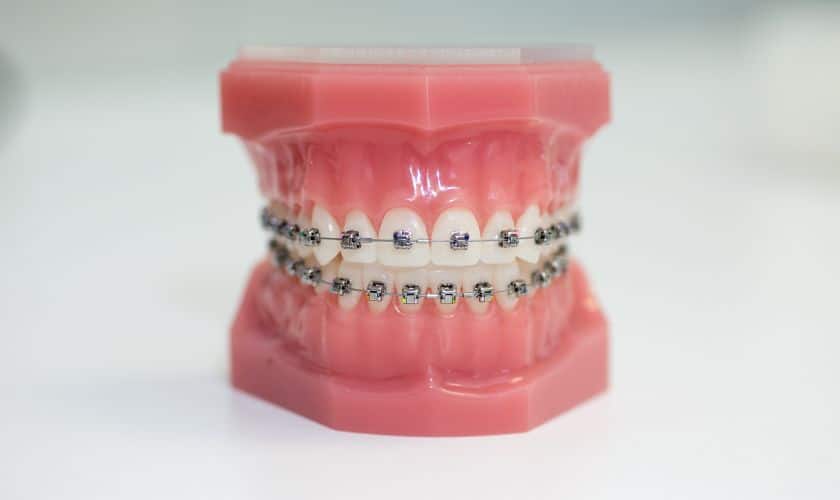
Orthodontic braces have long been a cornerstone in the field of orthodontics, providing a tried-and-true method for straightening teeth and correcting bite issues. These braces consist of metal brackets affixed to each tooth, connected by wires that gradually guide the teeth into their desired positions.
Applications Of Orthodontic Braces
Orthodontic braces are versatile and effective for a wide range of orthodontic concerns. They can address issues such as overcrowded teeth, gaps, overbites, underbites, and crossbites. The gradual pressure applied by braces facilitates controlled tooth movement, allowing for comprehensive and predictable results.
Considerations And Care
While orthodontic braces are highly effective, they require consistent care and maintenance. Regular adjustments by the orthodontist are necessary to ensure the optimal progression of tooth movement. Patients must adhere to oral hygiene practices, including thorough cleaning around the brackets and wires to prevent issues like plaque buildup and decay.
Unveiling Surgical Orthodontics
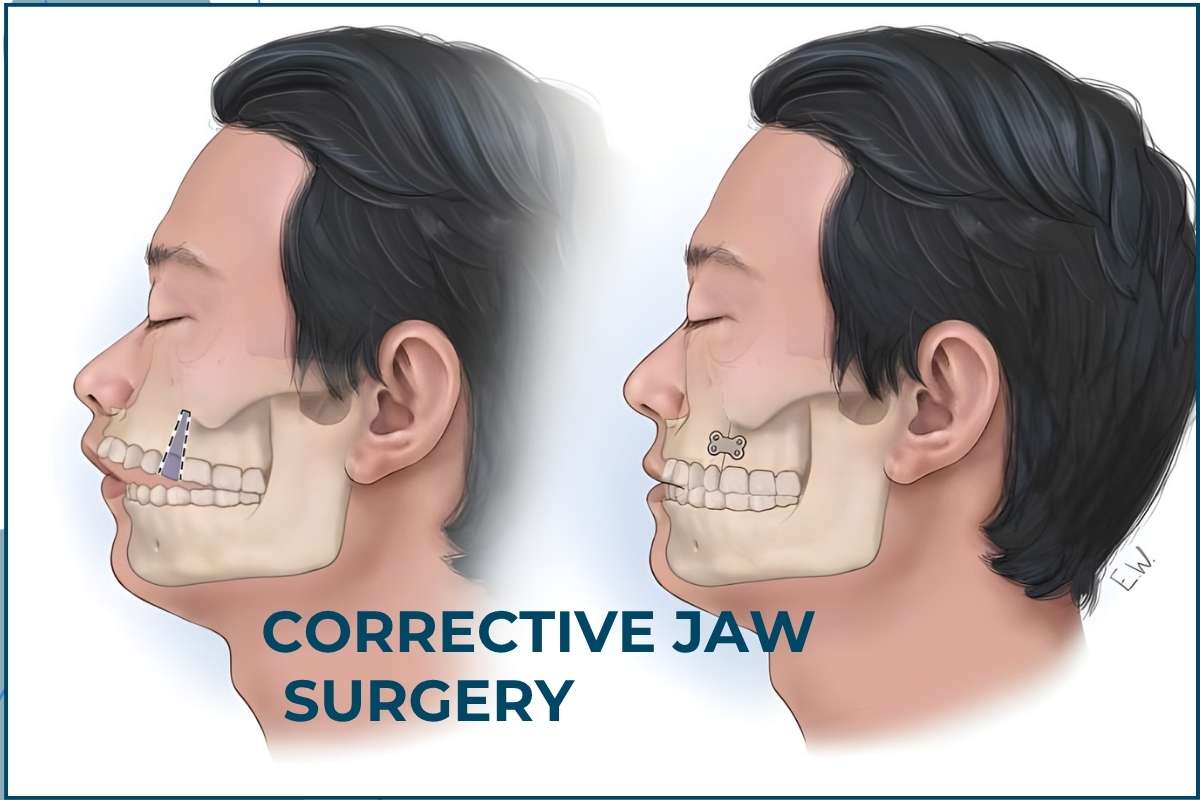
Surgical orthodontics, also known as orthognathic surgery, takes a more comprehensive approach to correct severe jaw irregularities that cannot be fully addressed with braces alone. This surgical intervention aims to reposition the jaw, creating a harmonious alignment of the upper and lower jaws and, consequently, the teeth.
Applications Of Surgical Orthodontics
Surgical orthodontics is typically recommended for cases where the misalignment is rooted in the structure of the jaw rather than just the positioning of individual teeth. Conditions such as severe overbites, underbites, and jaw asymmetry may necessitate surgical intervention to achieve optimal results. It is often considered in conjunction with orthodontic braces in Morris to fine-tune the alignment post-surgery.
Considerations And Care
Surgical orthodontics involves a collaboration between an orthodontist and an oral and maxillofacial surgeon. The process begins with orthodontic preparation using braces to align the teeth within the existing jaw structure. The surgery follows, during which the surgeon adjusts the position of the jawbones. Post-surgery, patients continue with orthodontic treatment to refine tooth alignment.
A Comparative Analysis
Severity Of Misalignment
Orthodontic braces are suitable for a broad spectrum of misalignments, from mild to moderate. They excel in addressing issues related to individual tooth positioning and can provide comprehensive solutions. On the other hand, surgical orthodontics becomes necessary when the misalignment is more severe and involves structural irregularities in the jaw.
Treatment Duration
The duration of treatment varies significantly between orthodontic braces and surgical orthodontics. Braces typically require an average treatment time of one to three years, depending on the complexity of the case. Surgical orthodontics, with the additional preparatory orthodontic phase, surgery, and post-surgical adjustments, may extend the overall treatment timeline.
Predictability Of Results
Orthodontic braces offer highly predictable outcomes for a wide range of orthodontic issues. The gradual adjustment of teeth allows for precise control over the movement, resulting in a well-aligned smile. Surgical orthodontics, while effective in addressing severe misalignments, may involve a more complex treatment plan and a longer timeframe to achieve the desired results.
Lifestyle Considerations
Orthodontic braces, being a non-surgical option, involve fewer lifestyle adjustments. While certain dietary restrictions and diligent oral hygiene practices are recommended, the overall impact on daily activities is minimal. Surgical orthodontics, however, requires careful planning, including a period of restricted diet post-surgery and the need for patience during the recovery phase.
The Role Of Technology In Treatment
Both orthodontic braces and surgical orthodontics benefit from advancements in technology. Digital imaging, 3D modeling, and computer-aided treatment planning have enhanced the precision and efficiency of both methods. Orthodontists and oral surgeons can now visualize the treatment process more accurately, leading to improved outcomes and a more comfortable patient experience.
Navigating Choices: Consultation With Orthodontic Professionals
Choosing between orthodontic braces and surgical orthodontics requires a thorough understanding of individual needs and the nature of the misalignment. A consultation with orthodontic professionals, especially in Morris, where surgical orthodontics is sought, is crucial to assess the severity of the case and determine the most suitable treatment plan.
In the realm of orthodontics, the choice between braces and surgical intervention depends on the complexity of the misalignment. Orthodontic braces remain a stalwart for a wide range of cases, offering reliable and predictable results. Surgical orthodontics, while reserved for more severe issues, provides a transformative solution that goes beyond tooth alignment, addressing fundamental jaw irregularities.
Ultimately, the goal of both orthodontic braces and surgical orthodontics is to create radiant smiles and functional bites. As technology continues to advance, the synergy between these approaches evolves, offering individuals in Morris and beyond tailored solutions that align their smiles with precision and care.