As a parent, you want the best for your child’s health, including their dental health. One common question parents have is, “Is it too early for my child to get braces?” Understanding the appropriate timing for orthodontic treatment can help you make informed decisions about your child’s oral care. Here’s what you need to know about the ideal age for braces, signs that your child might need early orthodontic intervention, and the benefits of starting treatment at the right time.
Ideal Age for Orthodontic Evaluation
The American Association of Orthodontists (AAO) recommends that children have their first orthodontic evaluation by the age of 7. This early evaluation allows the orthodontist to detect any potential issues with the growth and development of your child’s teeth and jaw. Although most children do not need braces at this age, early detection can help in planning future treatment.
Signs Your Child Might Need Early Orthodontic Treatment
While the majority of orthodontic treatments begin between the ages of 9 and 14, certain conditions may require earlier intervention. Here are some signs that your child might benefit from an early orthodontic evaluation:
1. Early or Late Loss of Baby Teeth
- If your child loses their baby teeth earlier or later than normal (typically between the ages of 5 and 7), it might indicate potential orthodontic issues.
2. Crowded or Misaligned Teeth
- Noticeable crowding or misalignment of teeth at an early age can suggest the need for orthodontic treatment.
3. Difficulty Chewing or Biting
- If your child has trouble chewing or biting food, it could be due to misaligned teeth or jaw problems.
4. Mouth Breathing
- Persistent mouth breathing can be a sign of underlying orthodontic issues.
5. Thumb Sucking or Other Oral Habits
- Prolonged thumb sucking or similar habits can affect the alignment of teeth and jaw development.
6. Speech Difficulties
- Issues with speech, such as lisping or difficulty pronouncing certain sounds, might be related to the positioning of the teeth and jaw.
Benefits of Early Orthodontic Treatment
Early orthodontic treatment, also known as interceptive orthodontics, can provide several advantages:
1. Guiding Jaw Growth
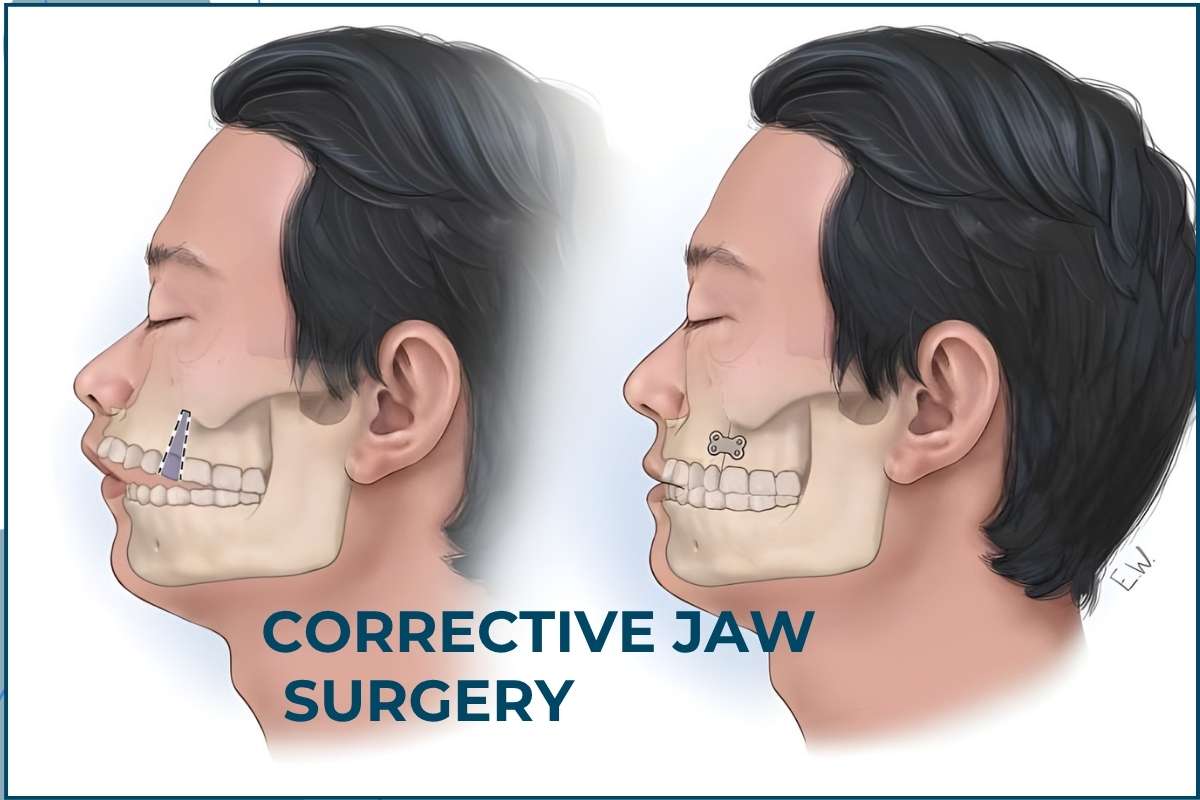
- Early treatment can help guide the growth and development of the jaw, ensuring proper alignment and avoiding more severe issues later.
2. Correcting Harmful Oral Habits
- Interceptive treatment can correct habits such as thumb sucking, which can negatively impact dental development.
3. Reducing the Risk of Trauma
- Protruding front teeth are more susceptible to injury. Early treatment can reposition these teeth to reduce the risk of damage.
4. Improving Aesthetics and Self-Esteem
- Addressing dental issues early can enhance your child’s smile and boost their self-confidence.
5. Facilitating Future Treatment
- Early intervention can make future orthodontic treatments shorter and less complicated.
Types of Early Orthodontic Treatment
1. Space Maintainers
- These devices hold space for permanent teeth when baby teeth are lost prematurely.
2. Expanders
- Palatal expanders widen the upper jaw to create more space for teeth alignment.
3. Partial Braces
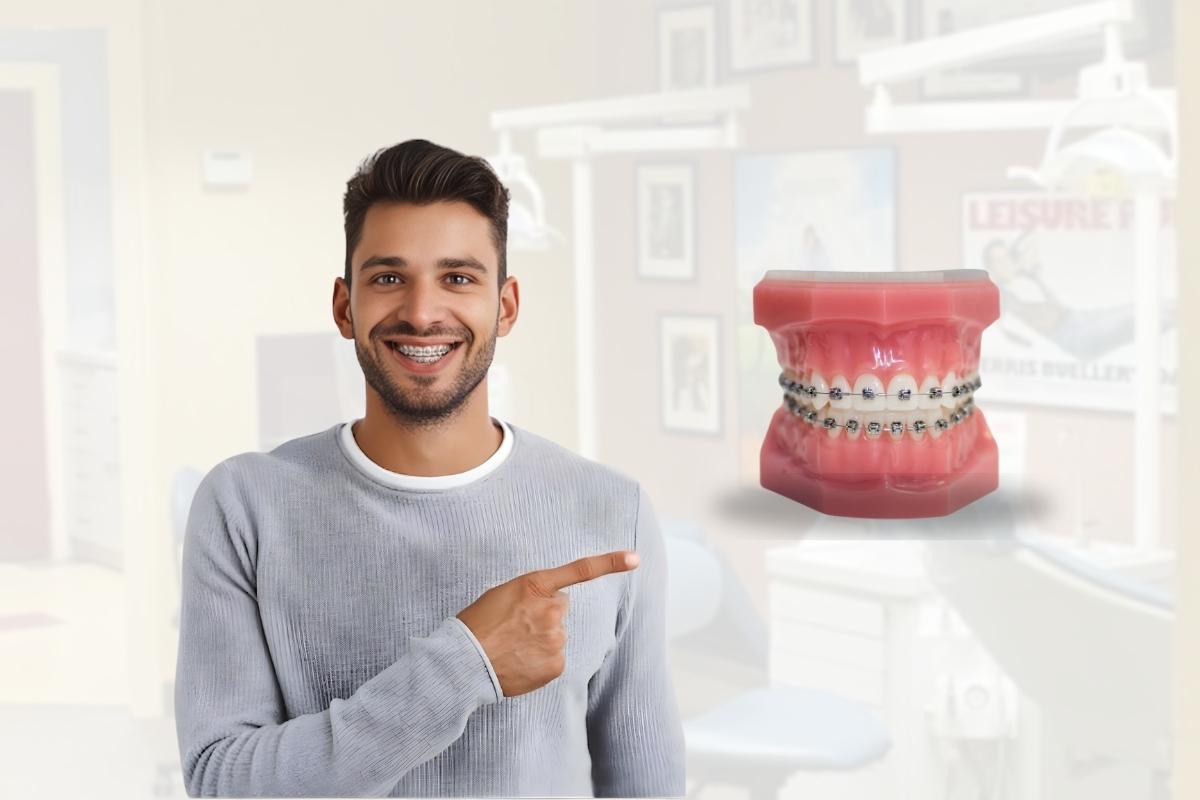
- Applied to a few teeth that need correction, setting the stage for more comprehensive treatment later.
4. Habit Appliances
- These devices help discourage habits like thumb sucking and tongue thrusting.
When to Wait for Braces
Not all children need early orthodontic treatment. For many, the optimal time for braces is during adolescence, when most of the permanent teeth have erupted. Your orthodontist can monitor your child’s development and recommend the best time to start treatment based on their specific needs.
Conclusion
Determining the right time for your child to get braces depends on their unique dental development and needs. An early orthodontic evaluation by age 7 can help identify potential issues and allow for timely intervention if necessary. Early treatment can offer significant benefits, but in many cases, waiting until adolescence for braces is perfectly appropriate. Consulting with an experienced orthodontist will ensure that your child receives the best possible care and achieves a healthy, beautiful smile.