Early orthodontic treatment, also known as interceptive orthodontics, is designed to address and correct dental issues in children typically between the ages of 6 and 10. This proactive approach can prevent more severe problems later in life, guiding the growth and development of a child’s teeth and jaw. Here’s a detailed look at the different types of early orthodontic treatments available.
1. Space Maintainers
- Purpose: To hold space for permanent teeth when baby teeth are lost prematurely.
- How They Work: Space maintainers are devices made of metal or acrylic. They are custom-made to fit into the space left by the missing tooth, preventing surrounding teeth from shifting into the empty space. This ensures that there is enough room for the permanent tooth to emerge properly.
2. Expanders
- Purpose: To widen the upper jaw and create more space for tooth alignment.
- How They Work: Palatal expanders are used to gradually widen the upper jaw. This device fits over several top teeth and is adjusted periodically to slowly expand the jaw. This treatment can correct crossbites and create more room for crowded teeth.
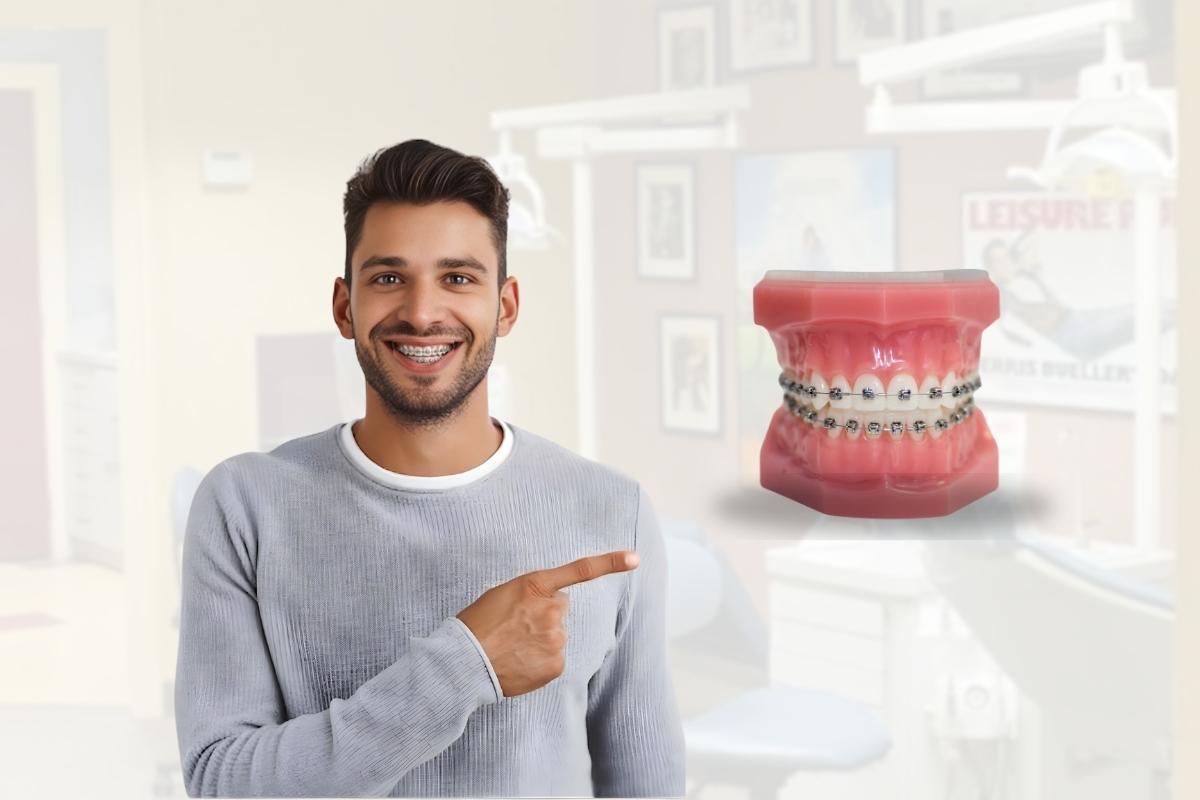
3. Partial Braces
- Purpose: To address specific alignment issues in a limited number of teeth.
- How They Work: Partial braces are similar to full braces but are applied only to a few teeth that require correction. These braces help to align and straighten teeth at an early stage, making future orthodontic treatments easier and shorter.
4. Habit Appliances
- Purpose: To discourage habits like thumb sucking or tongue thrusting that can affect dental development.
- How They Work: Habit appliances are devices that prevent children from continuing habits that can cause misalignment of teeth and jaw issues. These can be fixed or removable and work by making the habit uncomfortable or impossible to continue.
5. Headgear
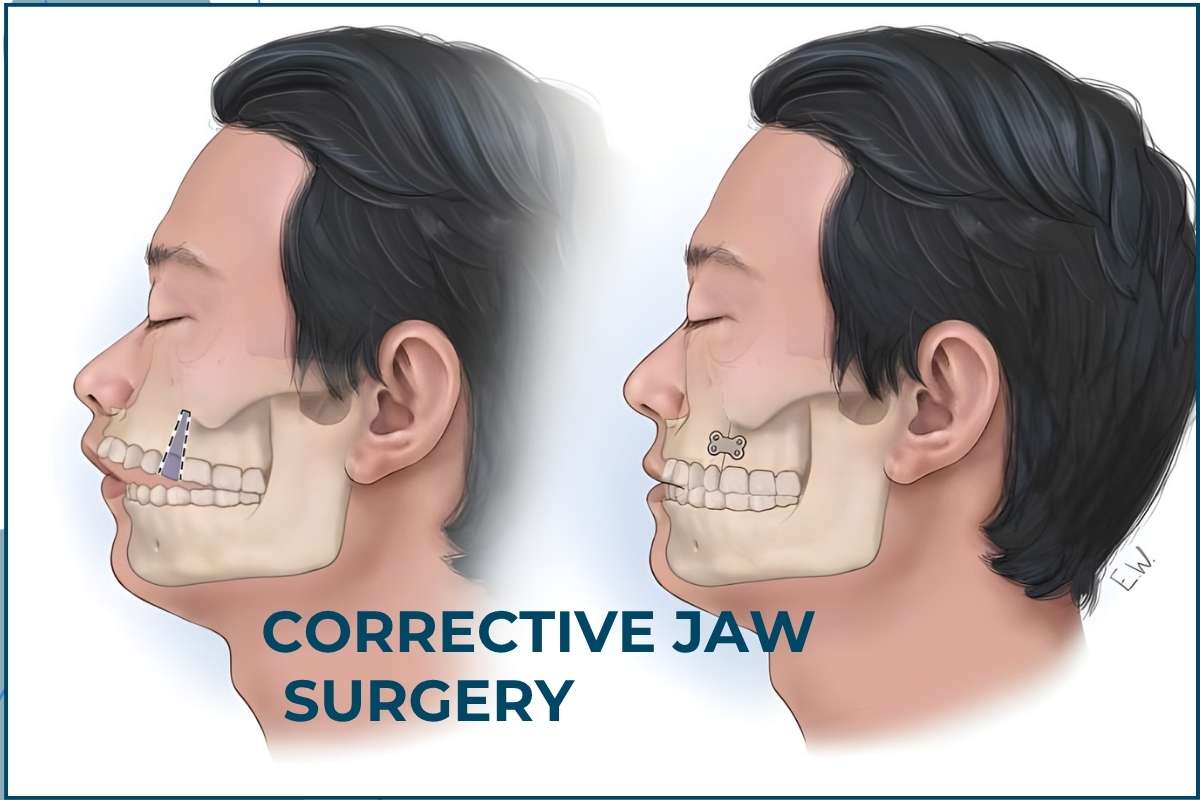
- Purpose: To correct jaw alignment and guide the direction of tooth growth.
- How They Work: Headgear is an orthodontic appliance that attaches to the braces or a retainer. It is worn partially outside the mouth and applies pressure to the upper teeth and jaw, helping to correct overbites, underbites, and other jaw alignment issues.
6. Functional Appliances
- Purpose: To improve the alignment of the jaws and correct bite issues.
- How They Work: Functional appliances are used to promote proper jaw growth and alignment. These devices, which can be fixed or removable, are worn in the mouth to guide the development of the jaw and improve bite issues. Examples include the Twin Block and Herbst appliances.
7. Lip Bumpers
- Purpose: To create space and prevent pressure on the lower teeth from the lips and cheeks.
- How They Work: Lip bumpers are placed inside the lower lip to keep it away from the teeth. This reduces the pressure exerted by the lip muscles on the lower teeth, allowing them to move into a better alignment.
8. Retainers
- Purpose: To maintain teeth position after alignment correction.
- How They Work: Retainers are used to hold teeth in their new positions after braces or other orthodontic appliances have been removed. They can be fixed or removable and are crucial in preventing teeth from shifting back to their original positions.
9. Clear Aligners
- Purpose: To correct minor tooth alignment issues.
- How They Work: Clear aligners are a series of custom-made, transparent plastic trays that gradually move teeth into better alignment. They are less noticeable than traditional braces and can be removed for eating and brushing.
10. Early Extractions
- Purpose: To prevent overcrowding by removing baby teeth.
- How They Work: Sometimes, extracting baby teeth can be necessary to allow permanent teeth to erupt properly. This is typically done when baby teeth are not falling out on their own and are causing crowding or misalignment.
Conclusion
Early orthodontic treatment plays a crucial role in guiding the proper development of a child’s teeth and jaws. By addressing potential issues early on, these treatments can prevent more severe problems and the need for extensive orthodontic work in the future. If you suspect your child might benefit from early orthodontic treatment, it’s essential to consult with a good orthodontist who can provide a thorough evaluation and develop a personalized treatment plan.