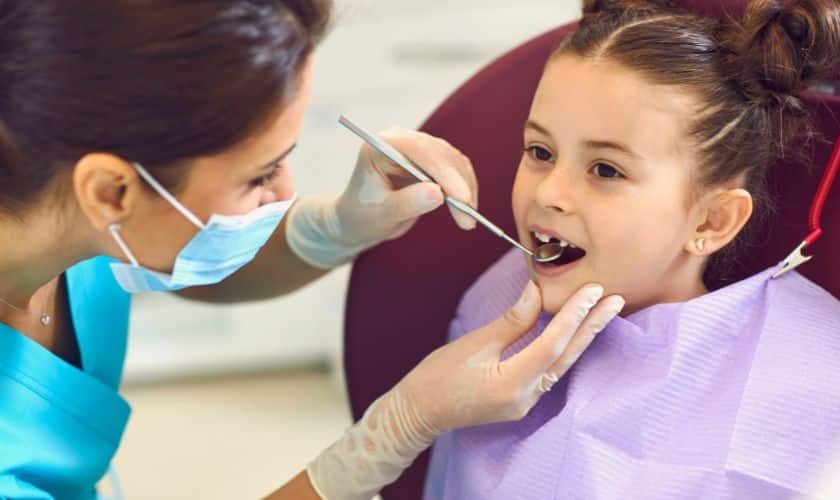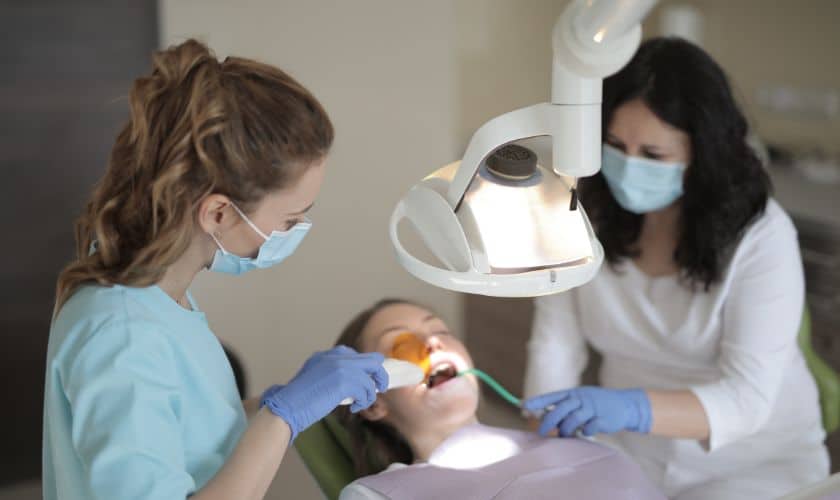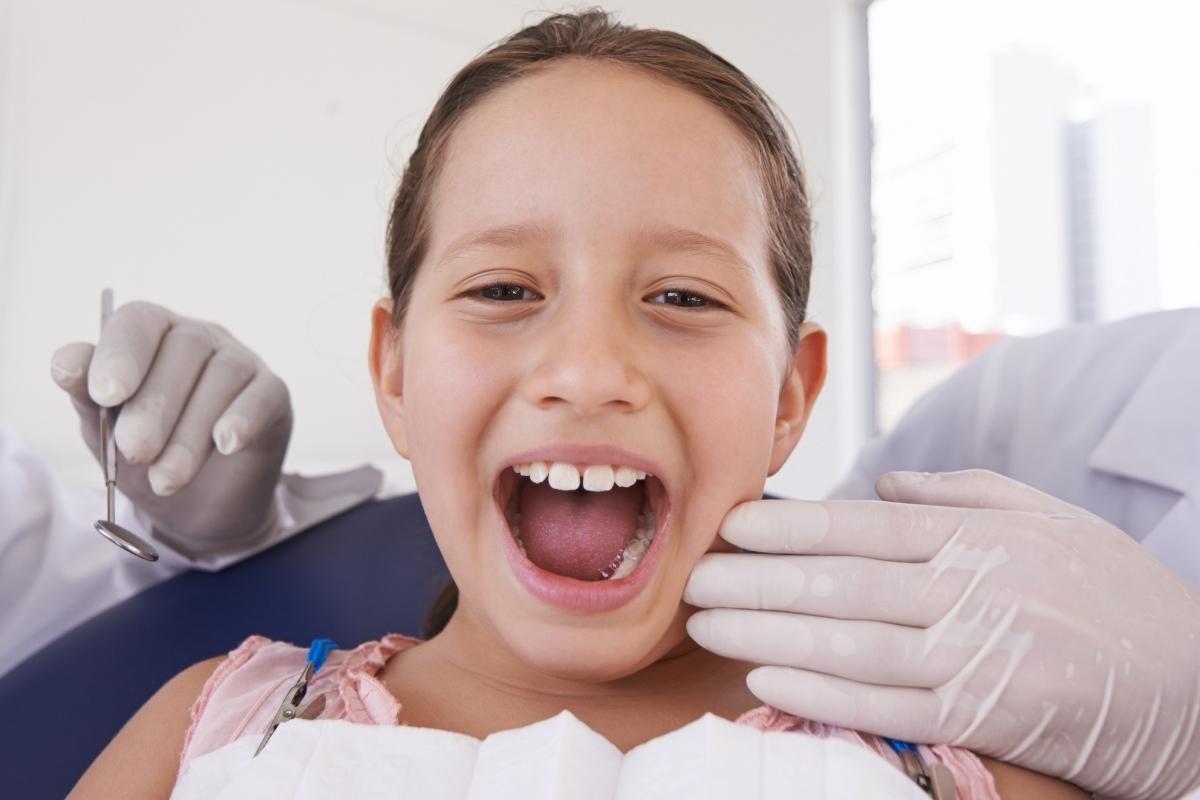
As a parent, one of your most important roles is ensuring your child’s overall health—and that includes their dental health. Early detection of dental issues can make a significant difference in your child’s smile and overall well-being. By keeping a close eye on their teeth and gums, you can help prevent complications, ensure proper growth, and set the stage for a lifetime of healthy smiles.
Why Early Monitoring Matters
Children’s teeth and jaws develop rapidly during their early years. Small issues that go unnoticed can evolve into more serious problems, such as misaligned teeth, bite issues, or even speech difficulties. Regular monitoring allows you to catch problems before they require extensive corrective treatment.
Early intervention not only reduces the need for complex procedures later but can also improve your child’s confidence and comfort with their smile.
Key Signs to Watch For
Here are some common indicators that your child may need professional attention:
- Crooked or Misaligned Teeth
While it’s normal for teeth to be a little crooked during early stages, significant crowding or uneven growth may indicate the need for orthodontic evaluation. - Difficulty Chewing or Biting
If your child frequently struggles to bite or chew food properly, it may signal misaligned teeth or bite issues. - Thumb Sucking or Pacifier Habits
Prolonged thumb-sucking or pacifier use can affect the shape of the jaw and the alignment of teeth. Monitoring and addressing these habits early is essential. - Frequent Cavities or Tooth Pain
Repeated cavities or complaints of tooth pain may suggest that your child’s oral hygiene habits need improvement or that there is an underlying dental issue. - Jaw or Facial Discomfort
Jaw pain, clicking sounds, or unusual facial expressions when chewing can be early signs of bite problems or temporomandibular joint (TMJ) issues.
Practical Tips for Parents
- Maintain a Consistent Oral Hygiene Routine
Brush your child’s teeth at least twice a day and floss once daily. Use a fluoride toothpaste suitable for their age. Teaching proper techniques early sets a foundation for lifelong habits. - Schedule Regular Dental Checkups
Routine dental visits help your dentist identify problems that are not visible at home. Most children should visit the dentist every six months, or more frequently if recommended. - Monitor Diet and Sugar Intake
Limiting sugary snacks and drinks reduces the risk of cavities. Encourage a balanced diet rich in fruits, vegetables, and dairy products to strengthen teeth and gums. - Watch Development Closely
Keep track of your child’s tooth eruption patterns and jaw development. Early signs of crowding, spacing, or bite issues can be addressed more effectively with early treatment in New Lenox. - Communicate Openly About Oral Discomfort
Encourage your child to express any pain, sensitivity, or discomfort in their mouth. Early communication can prevent minor problems from becoming major concerns.
Benefits of Early Orthodontic Evaluation
Early evaluation allows dental professionals to identify growth-related issues and guide the development of your child’s teeth and jaws. Corrective measures at a young age are often simpler, less invasive, and more effective than treatments started later in adolescence.
By taking proactive steps, you ensure your child’s smile develops correctly, promoting healthy oral function, confidence, and aesthetics.
If you notice any signs of dental issues or simply want to ensure your child’s smile is on the right track, schedule a consultation with our dental team. Book an appointment today at 1938 East Lincoln Highway, Unit 121, New Lenox, IL 60451, and give your child the gift of a healthy, confident smile.
FAQs
1. At what age should my child have their first orthodontic evaluation?
Most children should have their first evaluation by age 7. Early assessment helps identify potential bite or alignment issues before they become severe.
2. Can thumb-sucking affect my child’s dental health?
Yes, prolonged thumb-sucking can impact the alignment of teeth and shape of the jaw. Early intervention can minimize long-term effects.
3. How often should my child visit the dentist?
Children should visit the dentist every six months for routine checkups. Additional visits may be recommended if early problems are detected.