A straighter smile not only improves your appearance but also boosts oral health and self-confidence. Thanks to modern orthodontics, patients now have multiple options for correcting misaligned teeth. The most popular choices? Invisalign and traditional braces. But with so many factors to consider, how do you decide which orthodontic treatment is right for you?
In this blog, we’ll break down the pros and cons of Invisalign and traditional braces, explore the differences in cost, comfort, aesthetics, and effectiveness, and help you make an informed decision.
What Is Invisalign?
Invisalign is a modern orthodontic system that uses a series of clear, removable aligners to gradually shift your teeth into place. Each aligner is custom-made using 3D imaging technology and is typically worn for 1–2 weeks before moving on to the next set.
Ideal for mild to moderate cases of crowding, spacing, or bite issues.
What Are Traditional Braces?
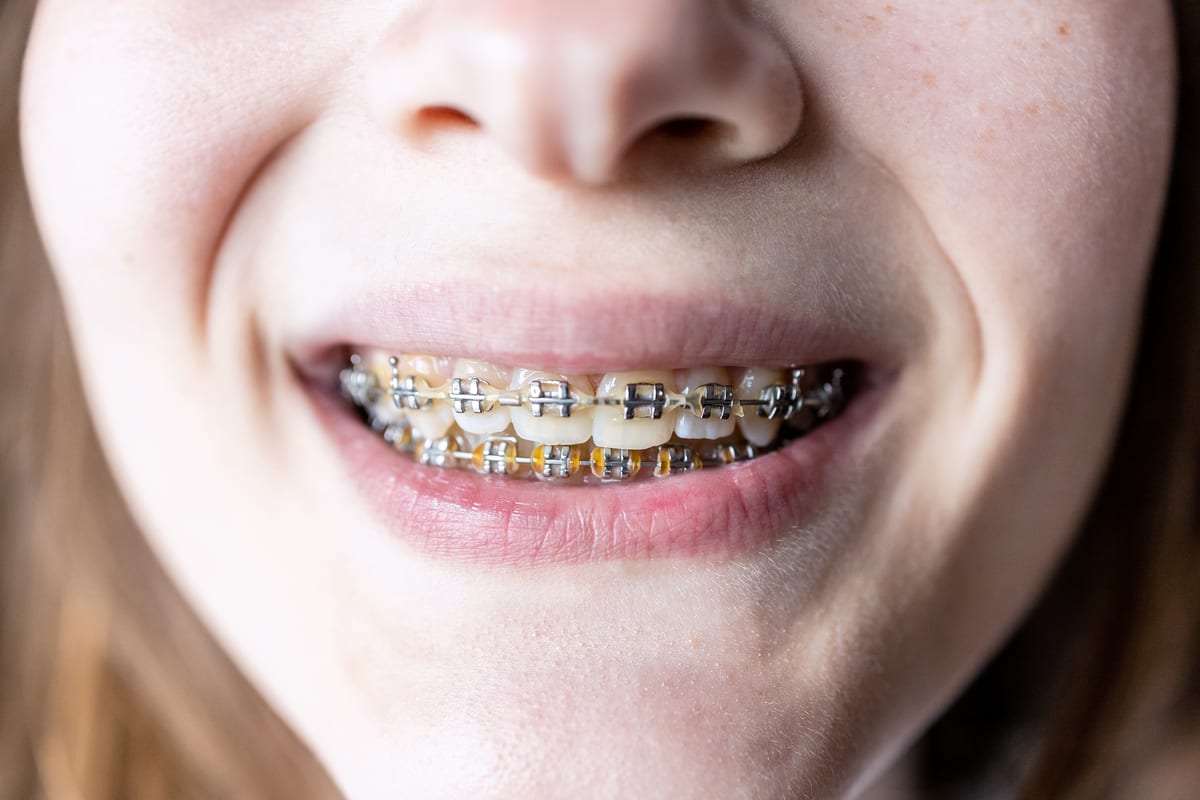
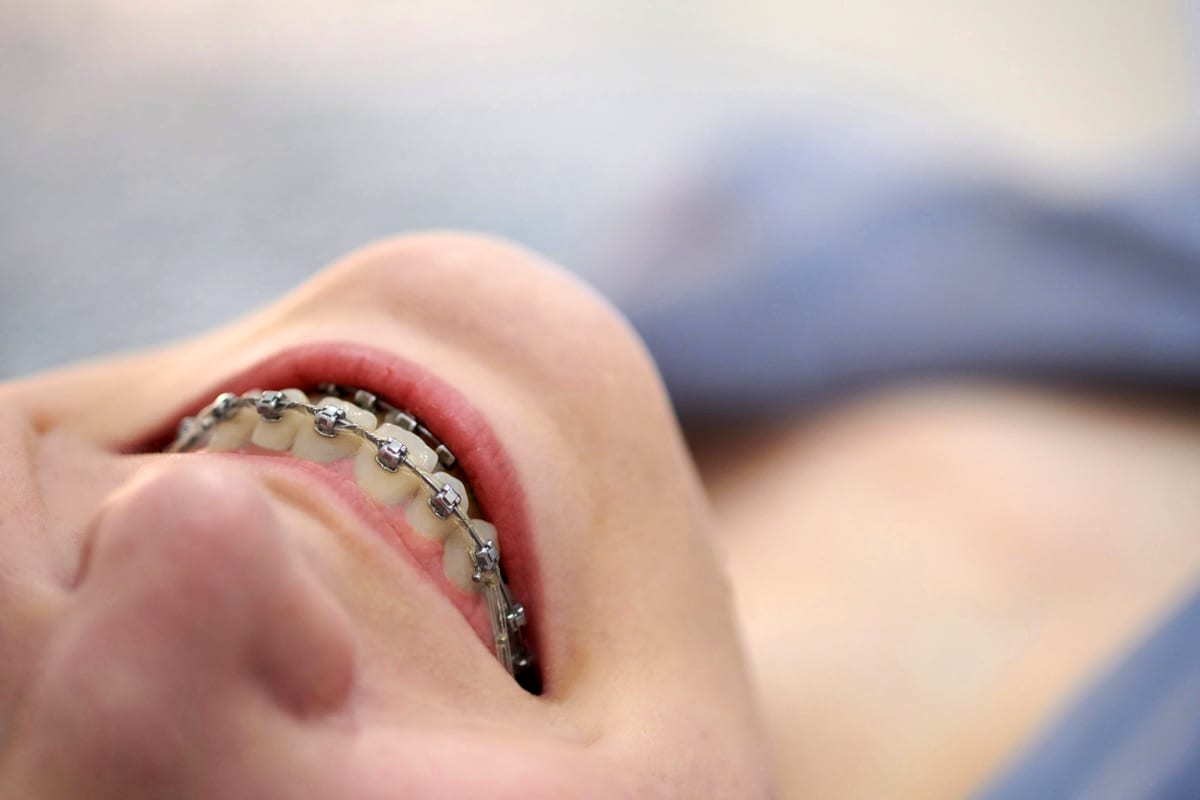
Traditional braces are the classic metal (or ceramic) brackets that are bonded to your teeth and connected with wires and elastic bands. They apply continuous pressure to gradually move teeth into their ideal positions.
Ideal for mild to complex alignment issues, including severe crowding, overbites, and underbites.
Appearance: Discreet vs. Noticeable
One of the biggest deciding factors for many patients is appearance.
- Invisalign: Nearly invisible when worn, making it a discreet option—perfect for adults, teens, or anyone concerned about the look of metal braces.
- Traditional Braces: Clearly visible, especially the metal versions. Ceramic braces are more tooth-colored but still noticeable.
Winner for aesthetics: Invisalign
Comfort and Convenience
- Invisalign: Made from smooth plastic with no wires or brackets, Invisalign aligners are generally more comfortable and less likely to cause mouth sores. You can remove them when eating, brushing, or attending special events.
- Traditional Braces: The brackets and wires can irritate your cheeks and lips, especially right after adjustments. However, they’re always working—no risk of forgetting to wear them.
Winner for comfort: Invisalign
Winner for convenience: Depends—Invisalign is removable, but that means responsibility is on you to wear it 20–22 hours a day.
Treatment Time
Treatment duration varies depending on the complexity of your case and your compliance.
- Invisalign: Most cases take between 6 and 18 months.
- Traditional Braces: Usually worn for 18 months to 3 years, though some complex cases may take longer.
Winner for speed (in mild cases): Invisalign
Effectiveness for Complex Issues
This is where traditional braces still shine.
- Invisalign: Great for straightening teeth and closing gaps, but not always the best for rotating teeth or correcting major bite problems.
- Traditional braces provide more precise control over tooth movement and are ideal for complex cases like significant overbites, underbites, or very crooked teeth.
Winner for complexity: Traditional Braces
Oral Hygiene
Keeping your mouth clean during orthodontic treatment is essential.
- Invisalign: Since aligners are removable, it’s easier to brush and floss your teeth normally. You can also clean the trays with a soft toothbrush or Invisalign cleaning crystals.
- Traditional Braces: Brackets and wires can trap food, making brushing and flossing more difficult. You’ll need to use special tools like floss threaders or water flossers.
Winner for oral hygiene: Invisalign
Dietary Restrictions
- Invisalign: No food restrictions. Just take out your aligners before eating or drinking anything besides water.
- Traditional Braces: You’ll need to avoid sticky, crunchy, or hard foods that could damage brackets and wires.
Winner for food freedom: Invisalign
Maintenance and Follow-Up Visits
- Invisalign: Requires regular visits every 6–8 weeks to monitor progress and receive your next sets of aligners.
- Traditional braces typically involve monthly adjustments where your orthodontist tightens or changes the wires.
Both systems require discipline and regular check-ins, but Invisalign may offer slightly more flexibility, especially for those with busy schedules.
Cost Comparison
Costs can vary depending on your location, orthodontist, and specific needs.
- Invisalign: Often comparable in price to braces but can be slightly more expensive for some cases.
- Traditional Braces: Generally more affordable upfront, especially metal versions.
Winner for affordability: traditional braces, though many orthodontists now offer similar pricing for both with flexible financing options.
Compliance and Discipline
This is often overlooked but incredibly important.
- Invisalign: You must be disciplined about wearing the aligners for 20–22 hours a day. Forgetting or skipping days can delay your treatment.
- Traditional Braces: Since they are fixed to your teeth, there’s no choice—you’ll get continuous treatment whether you’re thinking about it or not.
Winner for set-it-and-forget-it: Traditional Braces
So, which one should you choose?
Here’s a quick breakdown to help guide your decision:
| Factor | Best Option |
|---|---|
| Appearance | Invisalign |
| Comfort | Invisalign |
| Complex Issues | Traditional Braces |
| Oral Hygiene | Invisalign |
| Dietary Freedom | Invisalign |
| Affordability | Traditional Braces |
| Compliance Required | Invisalign |
| No-Fuss Treatment | Traditional Braces |
Ultimately, the best option depends on your dental needs, lifestyle, and commitment to treatment. Consulting with an experienced orthodontist is the best way to evaluate what will work best for your smile goals.
Whether you choose the subtle elegance of Invisalign or the time-tested reliability of traditional braces, both options can deliver a stunning, healthy smile. What matters most is choosing a solution that fits your lifestyle and aligns with your orthodontist’s recommendations.
Your smile journey is unique—and the right guidance makes all the difference. If you’re ready to explore your options and take the next step toward a confident smile, book an appointment now.