When it comes to achieving a beautifully straight smile, patients often find themselves choosing between Invisalign and traditional braces. Both orthodontic treatments are highly effective, but one of the most common questions is: which one offers a quicker path to straight teeth? This blog will delve into the timelines for both Invisalign and traditional braces, helping you decide which option might be best for your needs, especially if you’re considering invisalign in New Lenox.
Understanding Invisalign
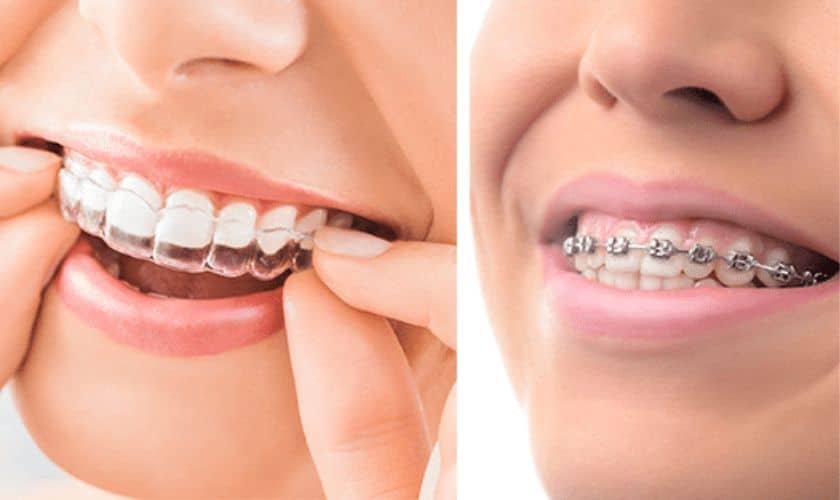
Invisalign uses a series of custom-made, clear plastic aligners that gradually move your teeth into the desired position. The aligners are removable, making them a convenient and discreet option for many patients.
Typical treatment Duration:
- Mild to Moderate Cases: 6 to 18 months
- Severe Cases: Up to 24 months
Invisalign’s treatment duration varies based on the complexity of the case. Mild to moderate cases often see results in about 6 to 18 months, whereas more severe cases can take up to 24 months. One significant advantage of Invisalign is the ability to change aligners every one to two weeks, which can sometimes speed up the process compared to traditional braces.
Understanding Traditional Braces
Traditional braces consist of metal brackets glued to the teeth and connected by wires and elastic bands. They apply continuous pressure to gradually shift teeth into place.
Typical treatment Duration:
- Mild to Moderate Cases: 12 to 24 months
- Severe Cases: 24 to 36 months
For traditional braces, the treatment duration generally ranges from 12 to 24 months for mild to moderate cases. Severe cases may require up to 36 months. The periodic adjustments, usually every 4 to 8 weeks, help ensure the teeth are moving correctly and address any issues that arise.
Comparing Treatment Speeds
Initial Consultation to Final Results:
- Invisalign: The initial consultation involves creating a 3D model of your teeth to design the aligners. Once the aligners are ready, you can start treatment immediately. The frequent changes of aligners can lead to faster results, particularly for less complex cases.
- Traditional Braces: After the initial consultation, brackets are placed, and adjustments begin. Traditional braces can be effective for a wide range of issues but may require more time, especially for complex cases.
Factors Influencing Treatment Speed
- Complexity of the Case: More complex dental issues typically take longer to correct, regardless of the method.
- Patient Compliance: With Invisalign, wearing the aligners for the recommended 20–22 hours per day is crucial for timely progress. In contrast, traditional braces are always in place, which might be more suitable for patients who may struggle with compliance.
- Adjustments and Follow-Ups: Regular adjustments for braces and timely switching of Invisalign aligners are essential. Skipping appointments or not following the orthodontist’s instructions can delay progress.
Patient Experience and Lifestyle
Invisalign Advantages:
- Removable aligners allow for easier eating and cleaning.
- They are virtually invisible, making them a discreet choice.
- Often, fewer office visits are required.
Traditional Braces Advantages:
- Effective for a wide range of dental issues, including very complex cases.
- There is no need to remember to wear aligners, as braces are fixed.
Conclusion
When deciding between Invisalign and traditional braces, consider the specific needs of your dental care, your lifestyle, and how compliant you can be with treatment requirements. For many patients in New Lenox, Invisalign can offer a quicker path to straight teeth, especially for those with mild to moderate dental issues and a commitment to wearing their aligners as directed. However, traditional braces remain a robust option, particularly for more complex orthodontic problems.
Ultimately, the best way to determine the most efficient treatment for your situation is to consult with an experienced orthodontist who can provide personalized advice based on your unique dental needs. Whether you choose invisalign or traditional braces, the journey to a straighter smile is a rewarding one, with the result being a boost in confidence and oral health.