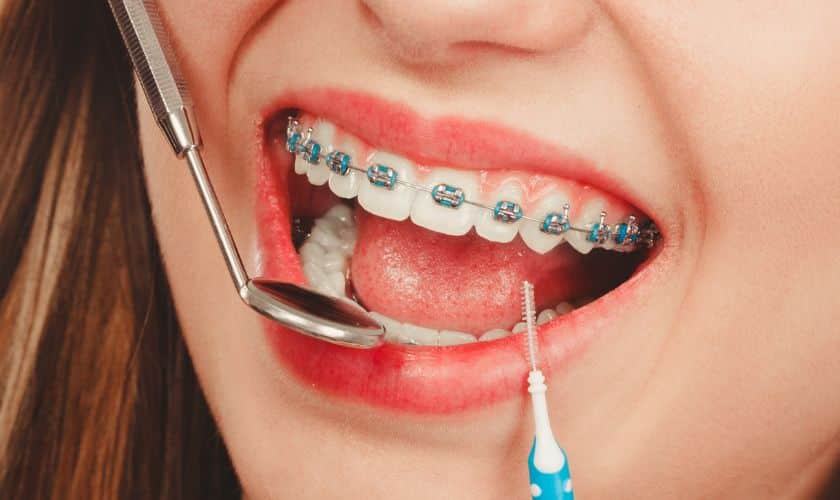
Orthodontic treatment has evolved significantly over the years, offering patients various options to achieve a perfect smile. Among the most common types of braces are ceramic and metal braces. Deciding which type is better for you can depend on several factors, including aesthetics, cost, comfort, and effectiveness. Let’s dive into a detailed comparison to help you make an informed decision.
Aesthetic Appeal
Ceramic Braces:
Ceramic braces are favored for their aesthetic appeal. They are made of clear or tooth-colored materials that blend with your natural teeth, making them less noticeable than metal braces. This discreet look makes ceramic braces a popular choice among adults and teenagers who are conscious of their appearance during orthodontic treatment.
Metal Braces:
Metal braces are the traditional type of braces, made of high-quality stainless steel. While they are more noticeable than ceramic braces, today’s metal braces are smaller and more comfortable than those used in the past. However, their visibility remains a downside for those seeking a more subtle option.
Durability and Strength
Ceramic Braces:
Ceramic braces are not as strong as metal braces. The ceramic material can be more prone to chipping or cracking, especially if the wearer engages in contact sports or has habits like nail-biting. The brackets are also slightly larger, which can make them more noticeable despite their color.
Metal Braces:
Metal braces are known for their strength and durability. They can withstand most treatment forces, making them suitable for correcting a wide range of orthodontic issues. Metal braces are less likely to break and can handle more rigorous adjustments over time.
Comfort
Ceramic Braces:
Ceramic braces are generally smooth and comfortable against the gums and cheeks. However, the brackets are larger, which might cause some discomfort or irritation in the mouth initially. Over time, most patients adjust and find them comfortable to wear.
Metal Braces:
Metal braces might cause more initial discomfort due to the brackets and wires. However, advancements in orthodontic technology have made metal braces more comfortable than they used to be. The smaller size of metal brackets means less irritation for the gums and cheeks.
Effectiveness
Ceramic Braces:
Ceramic braces are highly effective for most orthodontic treatments. However, they may not be suitable for more severe cases that require significant tooth movement. The friction between the ceramic brackets and the archwire can also slow down the treatment process slightly compared to metal braces.
Metal Braces:
Metal braces are highly effective for all types of orthodontic issues, including complex cases. They offer better control and precision, leading to potentially shorter treatment times. The smooth interaction between metal brackets and archwires ensures efficient tooth movement.
Staining and Maintenance
Ceramic Braces:
One of the main concerns with ceramic braces is their susceptibility to staining. While the ceramic brackets themselves do not stain easily, the elastic ties used to hold the archwire can discolor over time, especially if the wearer consumes staining foods and drinks like coffee, tea, or red wine.
Metal Braces:
Metal braces do not have the same staining issues as ceramic braces. The metal brackets and wires are resistant to discoloration, making maintenance easier. However, proper oral hygiene is still crucial to prevent plaque buildup and tooth decay around the brackets.
Cost
Ceramic Braces:
Ceramic braces tend to be more expensive than metal braces due to the material and aesthetic benefits. The cost can vary significantly based on the complexity of the case and the duration of the treatment.
Metal Braces:
Metal braces are generally more affordable than ceramic braces. They offer a cost-effective solution for those needing orthodontic treatment without the additional expense of less noticeable materials.
Making Your Choice
When choosing between ceramic and metal braces, consider the following factors:
- Aesthetics: If appearance is a top priority, ceramic braces may be the better choice.
- Durability: For those needing a robust option, especially for complex treatments, metal braces are typically more reliable.
- Comfort: Both types have their pros and cons in terms of comfort, but modern designs have improved the comfort level of both significantly.
- Cost: Budget-conscious patients might prefer metal braces due to their lower cost.
- Lifestyle: If you engage in activities that might put your braces at risk, metal braces are more durable and may be the safer choice.
Consult with your orthodontist to discuss your specific needs and preferences. They can provide personalized recommendations based on the condition of your teeth and your treatment goals. Whether you choose ceramic or metal braces, the end result will be a healthier, more beautiful smile.