Orthodontic treatment has evolved significantly over the years, offering patients more discreet and comfortable options for straightening their teeth. Clear braces, also known as ceramic braces, have gained popularity as an alternative to traditional metal braces. They provide a less noticeable solution for aligning teeth while offering the same effectiveness in many cases. But can clear braces fix severe misalignment and bite issues? Let’s explore how they work and whether they are a suitable option for complex orthodontic problems.
Understanding Clear Braces
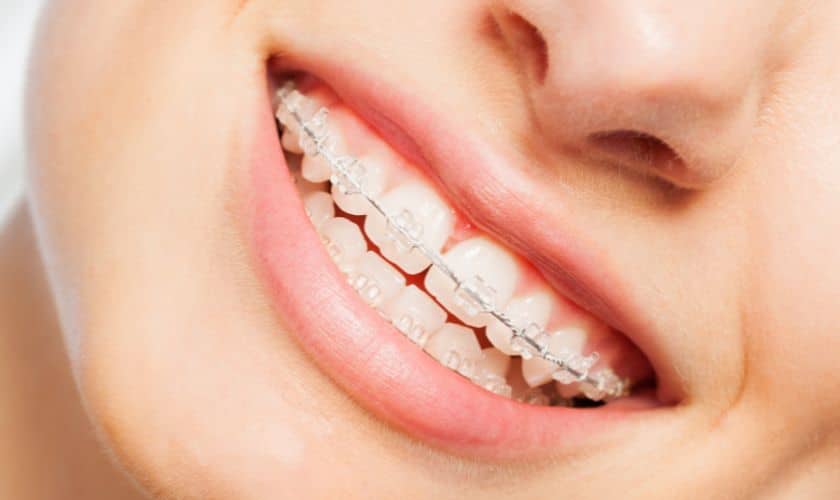
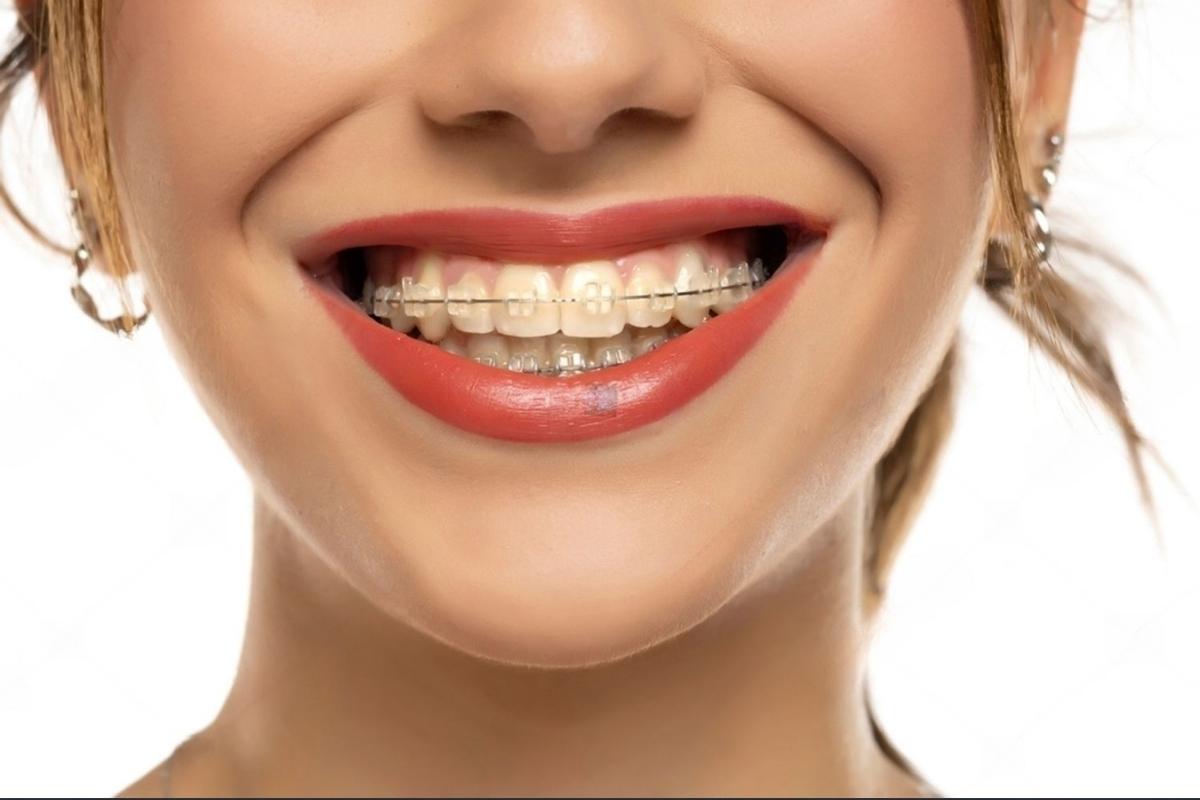
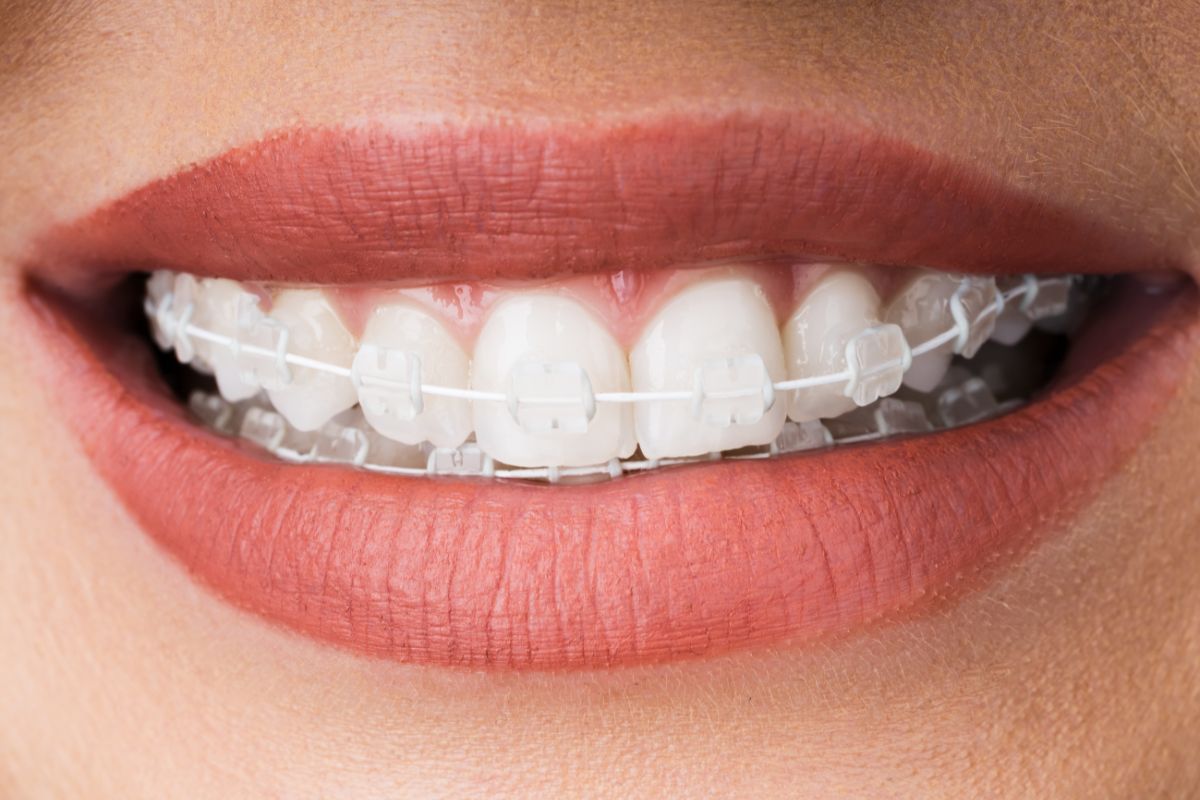
Clear braces function similarly to traditional metal braces, using brackets and wires to apply continuous pressure on teeth to shift them into the correct position. The primary difference is that clear braces use ceramic brackets that blend with the natural color of teeth, making them less visible. Some clear braces also use tooth-colored or transparent wires, further enhancing their discreet appearance.
Can Clear Braces Correct Severe Misalignment?
Severe misalignment, also known as malocclusion, includes conditions such as:
- Crowding: Teeth are too close together, overlapping, or rotated.
- Spacing: large gaps between teeth due to missing teeth or small tooth size.
- Overjet: Upper front teeth protrude significantly beyond the lower teeth.
- Crossbite: Upper teeth fit inside the lower teeth rather than outside.
- Open bite: upper and lower teeth don’t meet when the mouth is closed.
Clear braces can effectively treat most of these cases. Because they function like metal braces, they can apply sufficient force to move teeth into alignment. However, for extremely complex cases, such as those requiring significant jaw repositioning, traditional braces or additional orthodontic appliances may be recommended.
Effectiveness in Treating Bite Issues
Bite issues, such as overbites, underbites, and crossbites, often require precise control of tooth movement. Clear braces, when combined with other orthodontic treatments like elastics or bite-correcting appliances, can successfully correct many bite-related problems. Some severe cases may require jaw surgery in addition to braces.
Benefits of Choosing Clear Braces for Severe Misalignment
- Aesthetically Pleasing: Clear ceramic brackets blend with natural teeth, making them less noticeable than metal braces.
- Durability and Strength: Although not as strong as metal brackets, ceramic braces are highly effective for moderate to severe alignment corrections.
- Comfortable Fit: The smooth surface of ceramic brackets can be more comfortable than metal brackets, reducing irritation to the gums and cheeks.
- Efficient Treatment Time: Clear braces can work just as quickly as metal braces for many alignment issues when properly maintained.
Potential Limitations of Clear Braces for Severe Cases
- Brittle Material: Ceramic brackets are more fragile than metal brackets, which means they can break or crack if excessive force is applied.
- Staining Issues: While the brackets themselves resist staining, the elastic bands holding the wires can become discolored if not properly cared for.
- Higher Cost: Clear braces tend to be more expensive than metal braces due to the materials used and additional customization.
- Not Always Suitable for Extreme Cases: In cases of severe bite misalignment or jaw discrepancies, clear braces may not provide the necessary force and stability required for effective treatment.
Clear Braces vs. Other Orthodontic Treatments
If you have severe misalignment or bite issues, you may also consider:
- Metal Braces: Ideal for the most complex orthodontic cases due to their durability and high level of control over tooth movement.
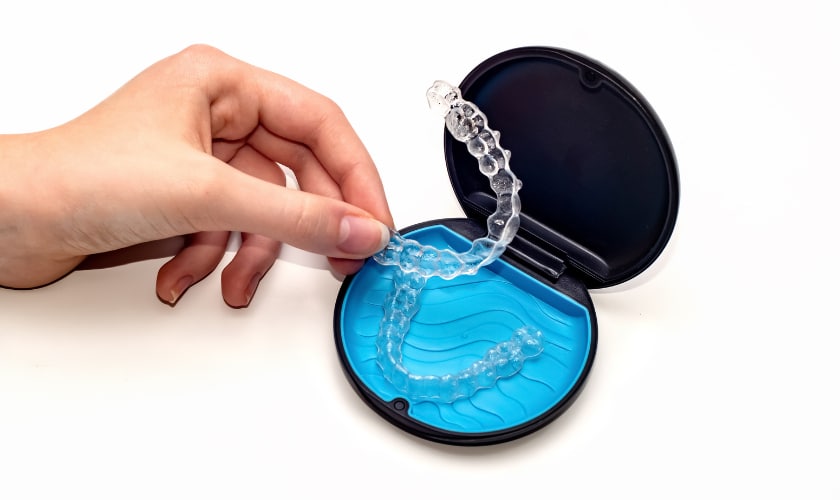
- Invisalign (Clear Aligners): Best suited for mild to moderate misalignment, though advancements have made them effective for some severe cases.
- Lingual Braces: Placed on the inner surface of the teeth, making them invisible but potentially uncomfortable.
Clear braces are a highly effective orthodontic solution for many cases of severe misalignment and bite issues. While they offer a more aesthetic alternative to traditional metal braces, they may not be suitable for the most complex cases requiring significant jaw adjustments. Consulting an experienced orthodontist will help determine the best treatment plan for your specific needs.
If you’re considering clear braces for your orthodontic treatment, schedule a consultation with a specialist to assess whether they are the right choice for you.