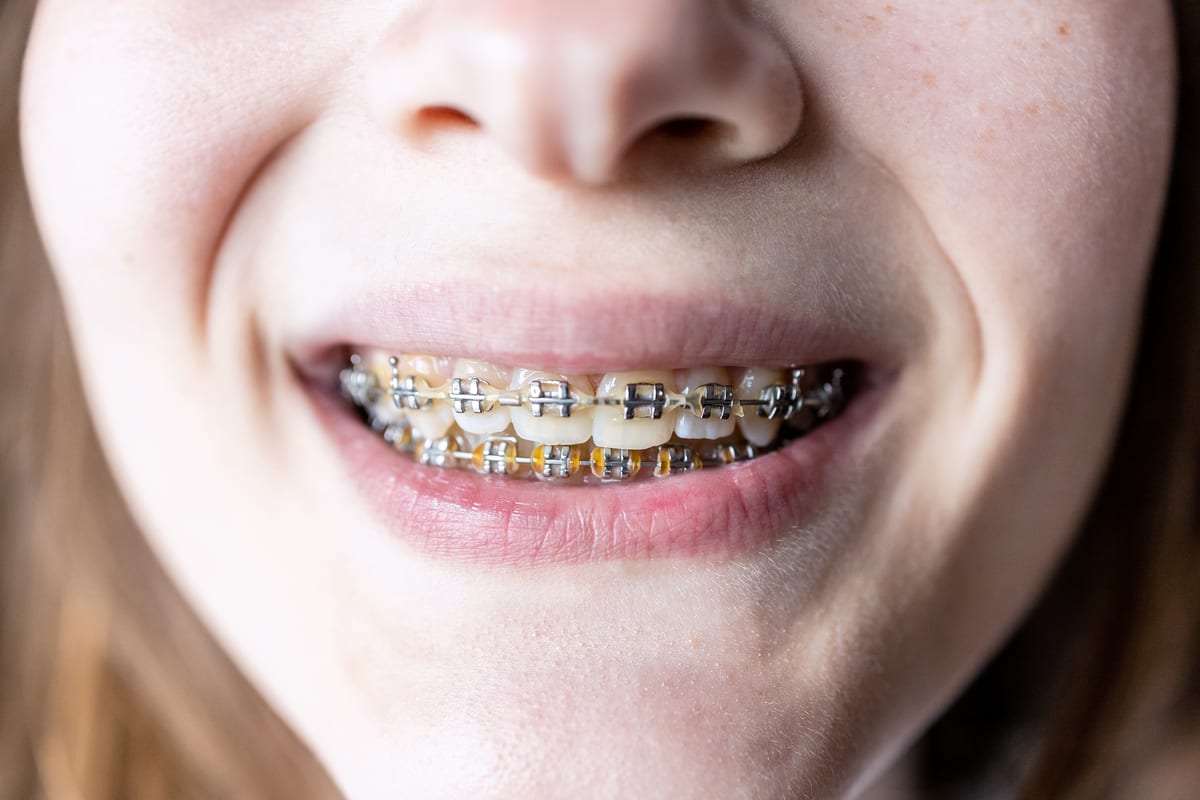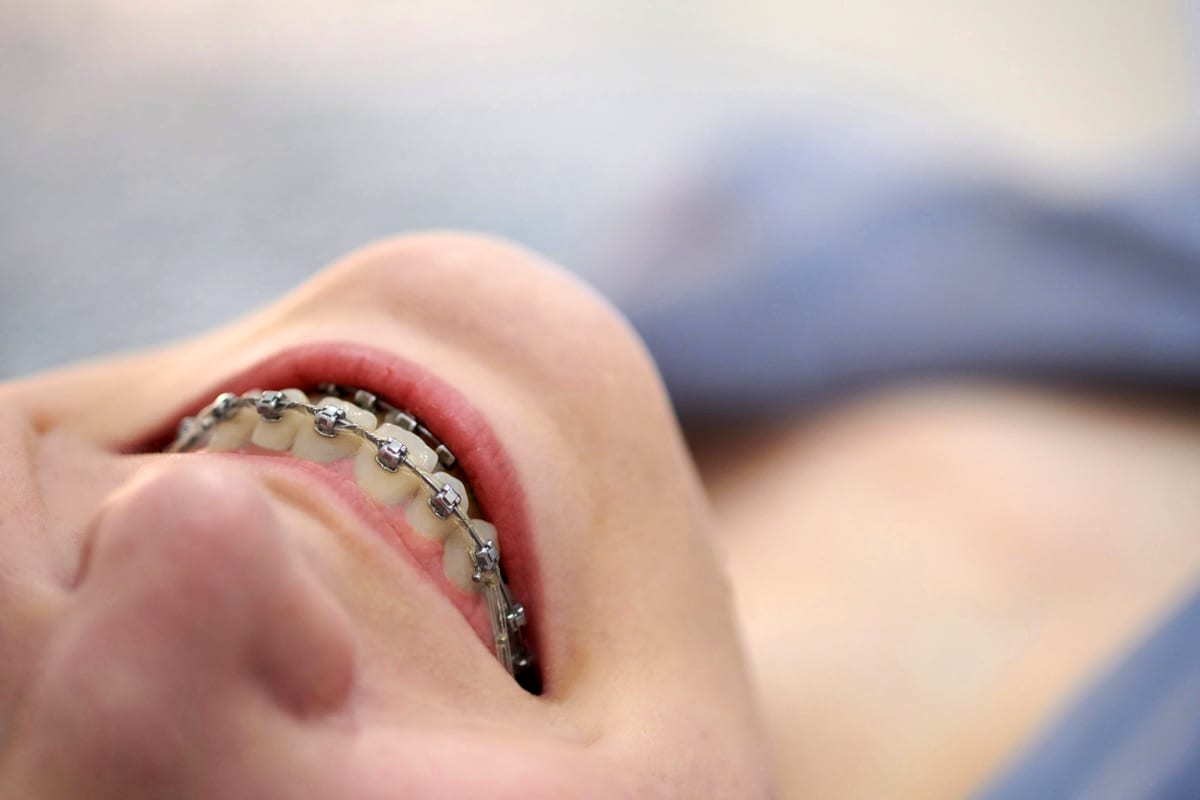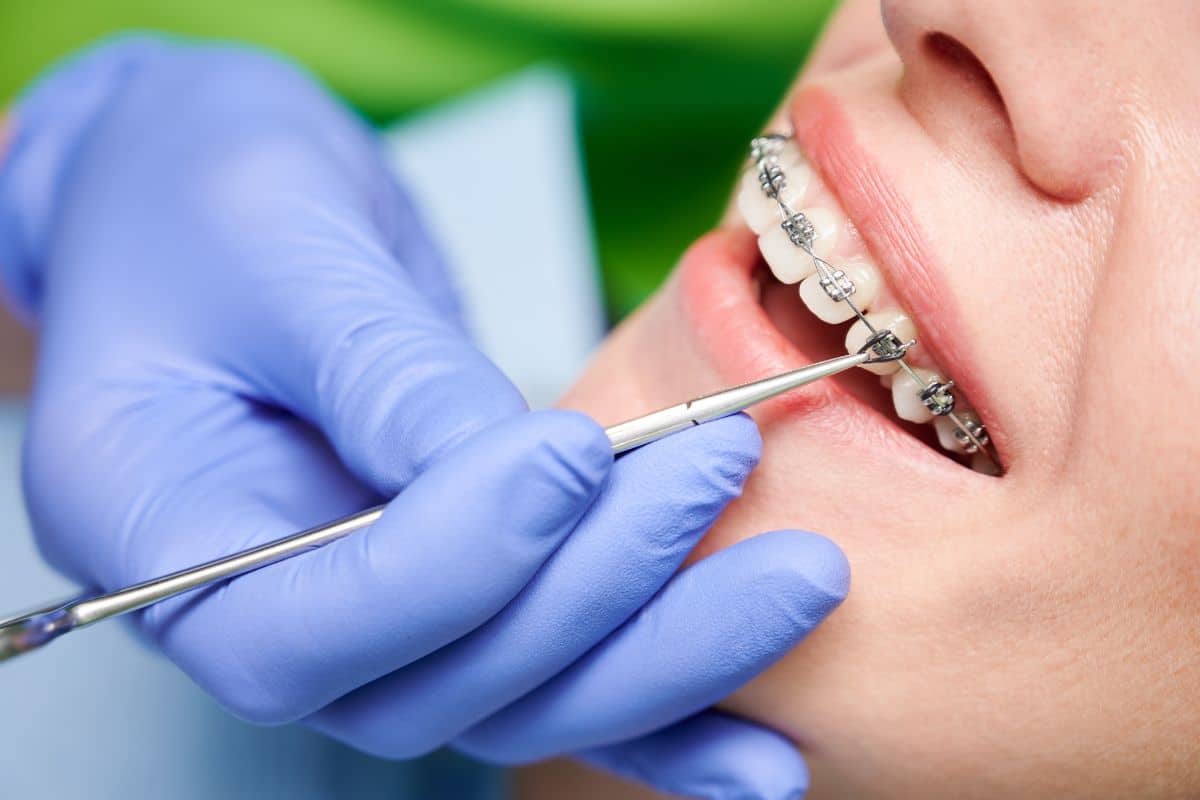
Wearing braces is a significant step toward achieving a straighter, healthier smile. However, while braces do wonders for teeth alignment, they also make maintaining oral hygiene more challenging. Food particles can easily get trapped in the brackets and wires, leading to plaque buildup, tooth decay, and gum disease if proper care isn’t taken.
In this blog, we’ll walk you through the essential tips and techniques for maintaining good oral hygiene with braces to ensure that your teeth remain healthy throughout your orthodontic journey.
1. Brush Your Teeth After Every Meal
Brushing your teeth with braces requires extra attention. Food particles can become lodged in the brackets and wires, making it essential to brush after every meal.
- Use a Soft-Bristled Brush or Electric Toothbrush: A soft-bristled brush or an electric toothbrush is gentle on your teeth and braces but still effective in removing plaque and food particles.
- Angle Your Brush Properly: Brush at a 45-degree angle toward the gum line and the brackets to clean under the wires and around the brackets thoroughly.
- Brush for Two Minutes: Make sure to brush for at least two minutes, giving extra attention to areas where the braces are attached.
- Don’t Forget the Chewing Surfaces: In addition to brushing the front of your teeth, ensure you clean the chewing surfaces and the back of your teeth.
2. Floss Daily with Floss Threaders
Flossing with braces can be tricky because the wires prevent regular floss from passing between your teeth easily. However, it’s crucial to clean between your teeth to remove food particles and plaque.
- Use a Floss Threader: A floss threader is a small, flexible tool that helps guide floss under the wires of your braces. Once the floss is threaded, gently move it between your teeth, cleaning each side.
- Try Orthodontic Floss: Some floss is specifically designed for people with braces. Orthodontic floss has stiff ends, making it easier to thread through the brackets.
Daily flossing is vital for maintaining healthy gums and preventing cavities between teeth while wearing braces.
3. Rinse with Mouthwash
Using an antibacterial or fluoride mouthwash can help rinse away any lingering food particles and plaque that brushing and flossing might have missed.
- Fluoride Rinse: A fluoride mouthwash strengthens enamel and helps prevent cavities, which is especially important when wearing braces.
- Antibacterial Mouthwash: If you’re worried about gum disease or inflammation, an antibacterial mouthwash can help reduce bacteria and promote gum health.
Rinse your mouth for 30 seconds after brushing and flossing to kill germs and protect your teeth and gums.
4. Use Interdental Brushes or Proxabrushes
An interdental brush, or proxabrush, is a small brush designed to clean between teeth and around braces. These brushes are excellent for reaching places that your regular toothbrush might miss.
- Clean Around Brackets: Interdental brushes are perfect for removing food particles and plaque that get stuck around the brackets and under the wires.
- Carry One with You: These brushes are small and portable, so you can carry one with you for quick cleanups after meals.
5. Avoid Sugary and Sticky Foods
Certain foods are harder to clean off braces and can increase the risk of tooth decay. Sugary and sticky foods, in particular, can cling to the braces and promote plaque buildup.
- Avoid Sticky Foods: Steer clear of foods like caramel, gummy candies, and chewing gum that can stick to your braces and teeth.
- Limit Sugary Snacks: Try to minimize your intake of sugary drinks and snacks like soda, candy, and pastries. These can increase the risk of cavities, especially if food gets trapped in your braces.
- Cut Hard Foods into Smaller Pieces: Hard foods, like apples and carrots, should be cut into smaller pieces before eating to avoid damaging the brackets and wires.
By avoiding certain foods, you’ll reduce the chances of damage to your braces and the risk of developing cavities.
6. Schedule Regular Dental Check-Ups and Cleanings
Routine dental visits are essential, even if you have braces. Your dentist or orthodontist can check for any potential problems and give your teeth a thorough cleaning.
- Professional Cleanings: Your dentist can remove plaque and tartar buildup that’s difficult to reach with regular brushing and flossing.
- Orthodontic Check-Ups: Your orthodontist will also check that your braces are working as intended and make any necessary adjustments.
Regular visits to your dentist and orthodontist will ensure that your teeth remain healthy and your braces are functioning correctly.
7. Pay Extra Attention to Your Gums
Braces can make it harder to clean your gums, leading to inflammation or gum disease if they are neglected.
- Gently Massage Your Gums: Use your toothbrush to gently massage the gum line as part of your routine.
- Floss Under the Gum Line: When flossing, make sure to clean below the gum line to remove any trapped debris.
Healthy gums are crucial for a successful orthodontic treatment and overall oral health.
8. Drink Plenty of Water
Water helps rinse away food particles and keeps your mouth hydrated, which is essential for maintaining good oral hygiene with braces.
- Rinse After Meals: Drinking water after eating can help remove food particles that get stuck in your braces.
- Choose Water Over Sugary Drinks: Water is the best choice for your oral health because it helps neutralize acids and doesn’t contribute to plaque buildup like sugary beverages do.
Drinking water throughout the day is an easy and effective way to promote oral hygiene while wearing braces.
9. Use Orthodontic Wax for Discomfort
Braces can sometimes cause discomfort by rubbing against the inside of your lips and cheeks. Orthodontic wax can provide relief and protect your soft tissues.
- Apply Wax to Brackets: If a bracket or wire is irritating your mouth, roll a small piece of wax between your fingers and apply it over the troublesome area.
- Use Wax as Needed: Keep orthodontic wax on hand and use it whenever you feel discomfort from your braces.
This simple solution can prevent sores and help you stay comfortable while wearing braces.
Maintaining good oral hygiene with braces requires extra effort, but it’s essential to avoid problems like cavities, gum disease, and prolonged treatment times. By following these tips—brushing and flossing diligently, using special tools like interdental brushes, avoiding certain foods, and visiting your dentist regularly—you’ll keep your teeth and gums healthy while ensuring that your orthodontic treatment goes smoothly.
Remember, good oral hygiene not only keeps your teeth healthy during treatment but also ensures that when your braces come off, you’ll be left with a beautiful, straight smile!