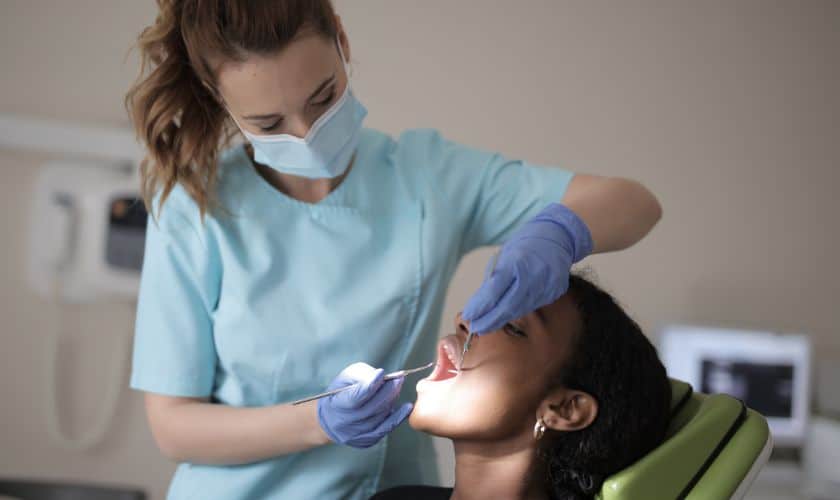
Tooth pain can be incredibly disruptive, especially when it strikes at night. Whether it’s a dull ache or a sharp, throbbing pain, dealing with tooth pain at night can make it difficult to sleep and leave you feeling miserable. Fortunately, there are several home remedies and strategies you can use to alleviate tooth pain quickly and get some much-needed rest.
Understanding Tooth Pain
Tooth pain can be caused by various factors, including:
- Tooth Decay: Cavities can cause significant discomfort.
- Gum Disease: Inflammation and infection of the gums can lead to pain.
- Tooth Fractures: Cracks or breaks in the teeth can be painful.
- Abscesses: Infections at the root of the tooth or between the gum and tooth can cause severe pain.
- Tooth Sensitivity: Exposure to hot or cold temperatures can trigger pain in sensitive teeth.
Quick Remedies to Stop Tooth Pain at Home
- Over-the-Counter Pain Relievers
- What to Use: Ibuprofen (Advil), acetaminophen (Tylenol), or aspirin can help reduce pain and inflammation.
- Dosage: Follow the instructions on the label for appropriate dosing. Avoid exceeding the recommended dosage.
- Cold Compress
- How to Use: Place an ice pack or a cold compress on the outside of your cheek near the painful area.
- Effect: The cold helps numb the pain and reduce swelling. Apply for 15-20 minutes at a time, with breaks in between.
- Salt Water Rinse
- How to Use: Dissolve a teaspoon of salt in a glass of warm water. Swish the solution around your mouth for about 30 seconds, then spit it out.
- Effect: Salt water helps cleanse the affected area, reduce inflammation, and promote healing.
- Hydrogen Peroxide Rinse
- How to Use: Mix equal parts of 3% hydrogen peroxide and water. Swish the solution in your mouth for about 30 seconds, then spit it out and rinse your mouth with plain water.
- Effect: Hydrogen peroxide can help kill bacteria and reduce inflammation, providing temporary relief.
- Clove Oil
- How to Use: Apply a small amount of clove oil to a cotton ball and place it on the affected tooth. Alternatively, mix a few drops of clove oil with a carrier oil, such as olive oil, and apply it to the painful area.
- Effect: Clove oil contains eugenol, a natural anesthetic and antibacterial agent, which can help numb the pain and reduce infection.
- Peppermint Tea Bags
- How to Use: Steep a peppermint tea bag in hot water, then allow it to cool. Place the cooled tea bag on the painful tooth.
- Effect: Peppermint has numbing properties that can provide temporary relief from tooth pain.
- Garlic
- How to Use: Crush a garlic clove to create a paste and apply it to the affected area. You can also chew a garlic clove gently.
- Effect: Garlic has antibacterial properties and can help alleviate pain and reduce infection.
- Elevate Your Head
- How to Use: Use an extra pillow to prop up your head while sleeping.
- Effect: Elevating your head can help reduce blood flow to the affected area, decreasing the intensity of the pain.
Tips for Managing Tooth Pain at Night
- Avoid Certain Foods and Drinks: Stay away from very hot, cold, sugary, or acidic foods and beverages that can exacerbate the pain.
- Maintain Oral Hygiene: Brush and floss gently to keep the area clean and prevent further irritation.
- Stay Hydrated: Drink plenty of water to help flush out bacteria and keep your mouth moist.
When to See a Dentist
While these home remedies can provide temporary relief, it’s important to see a dentist as soon as possible to address the underlying cause of the tooth pain. Seek immediate dental care if you experience:
- Severe pain that doesn’t improve with home treatment.
- Swelling in your face or gums.
- Signs of infection, such as fever or pus discharge.
- Difficulty swallowing or breathing.
Conclusion
Dealing with tooth pain at night can be challenging, but these home remedies can offer quick relief and help you get some rest. Remember, these solutions are temporary, and it’s crucial to see a dentist to identify and treat the root cause of the pain. By taking proactive steps and maintaining good oral hygiene, you can reduce the likelihood of tooth pain and enjoy better overall dental health.